
Last updated November 4, 2026
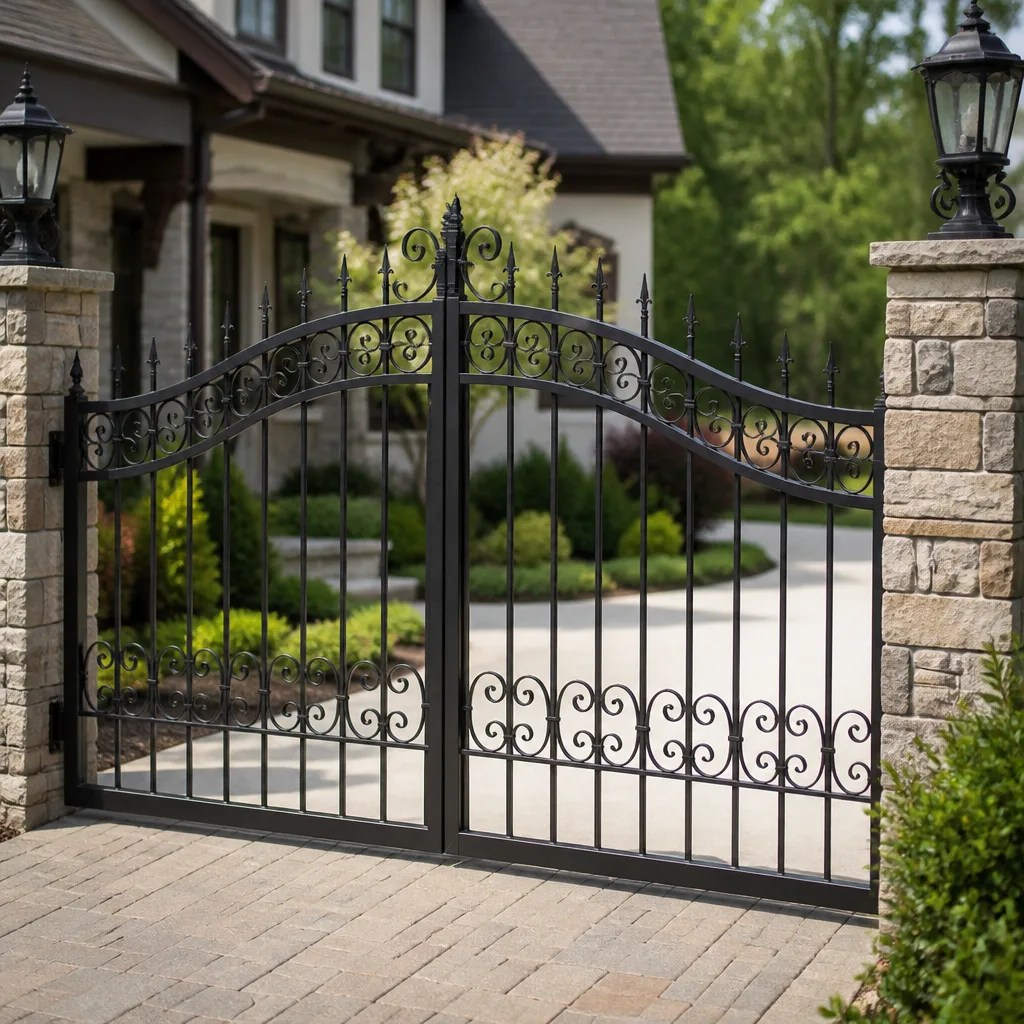 Wrought iron
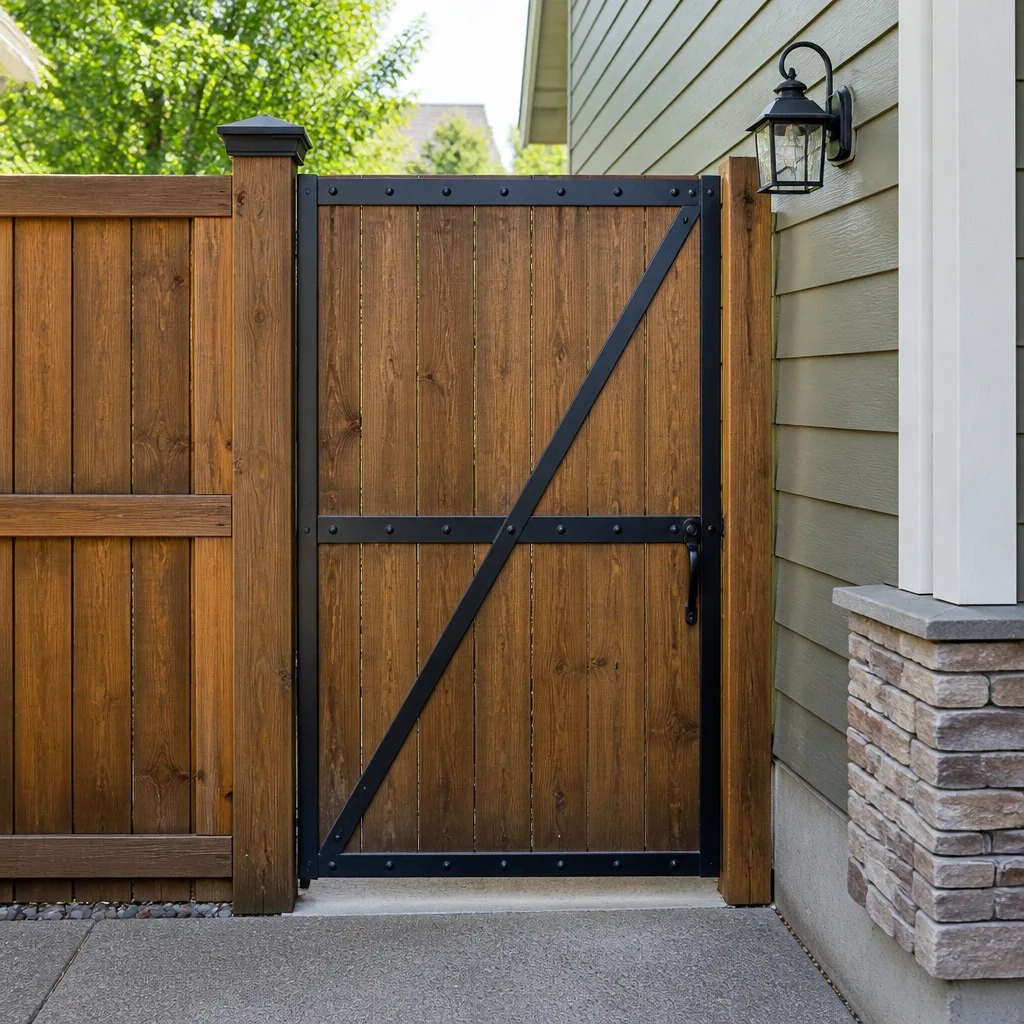 Wood & steel frame
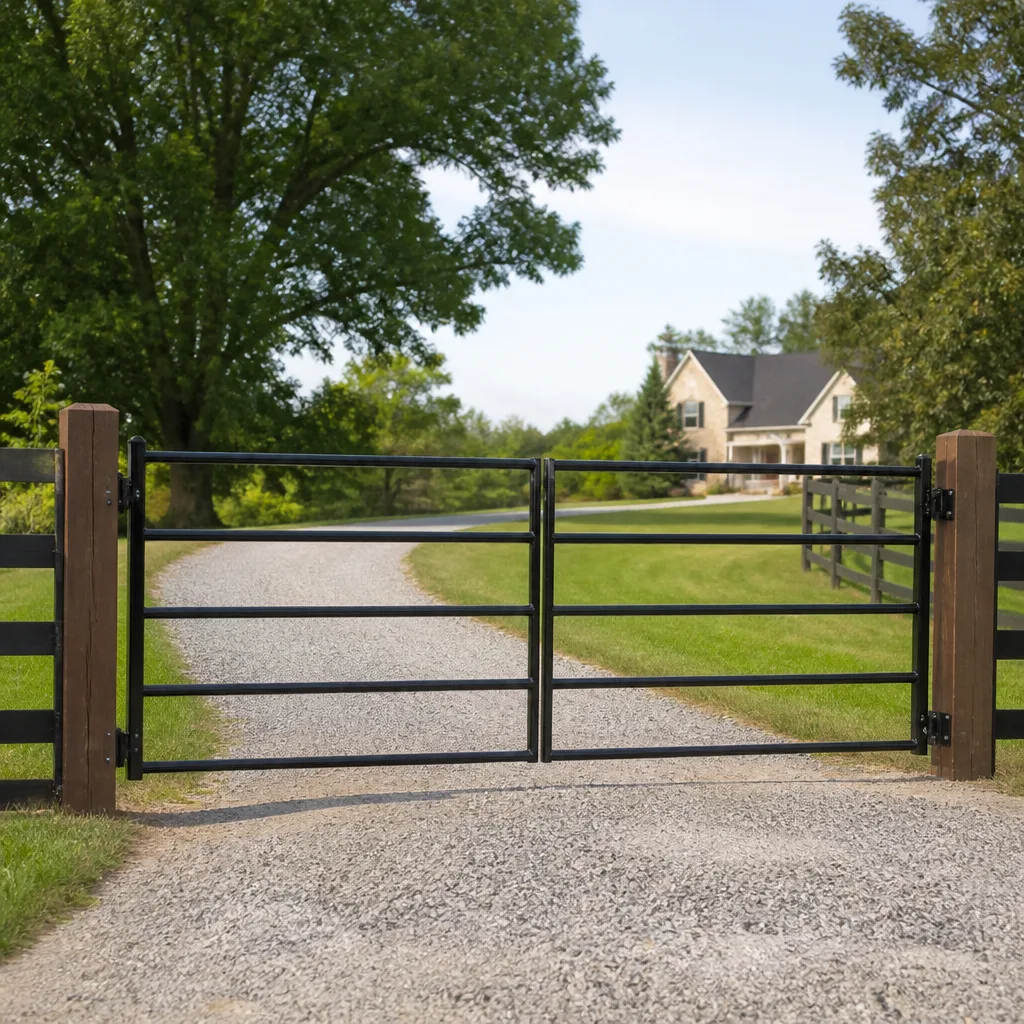 Farm & ranch
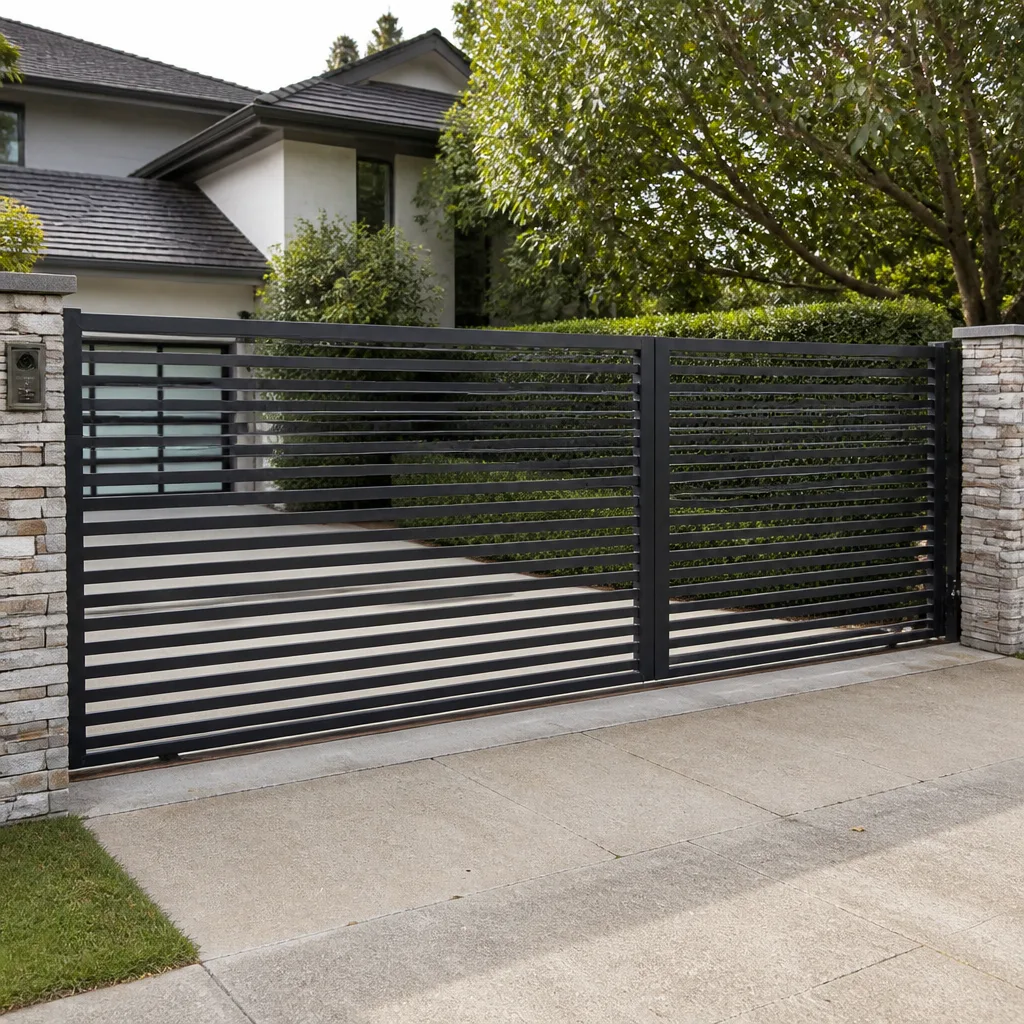 Sliding driveway gates
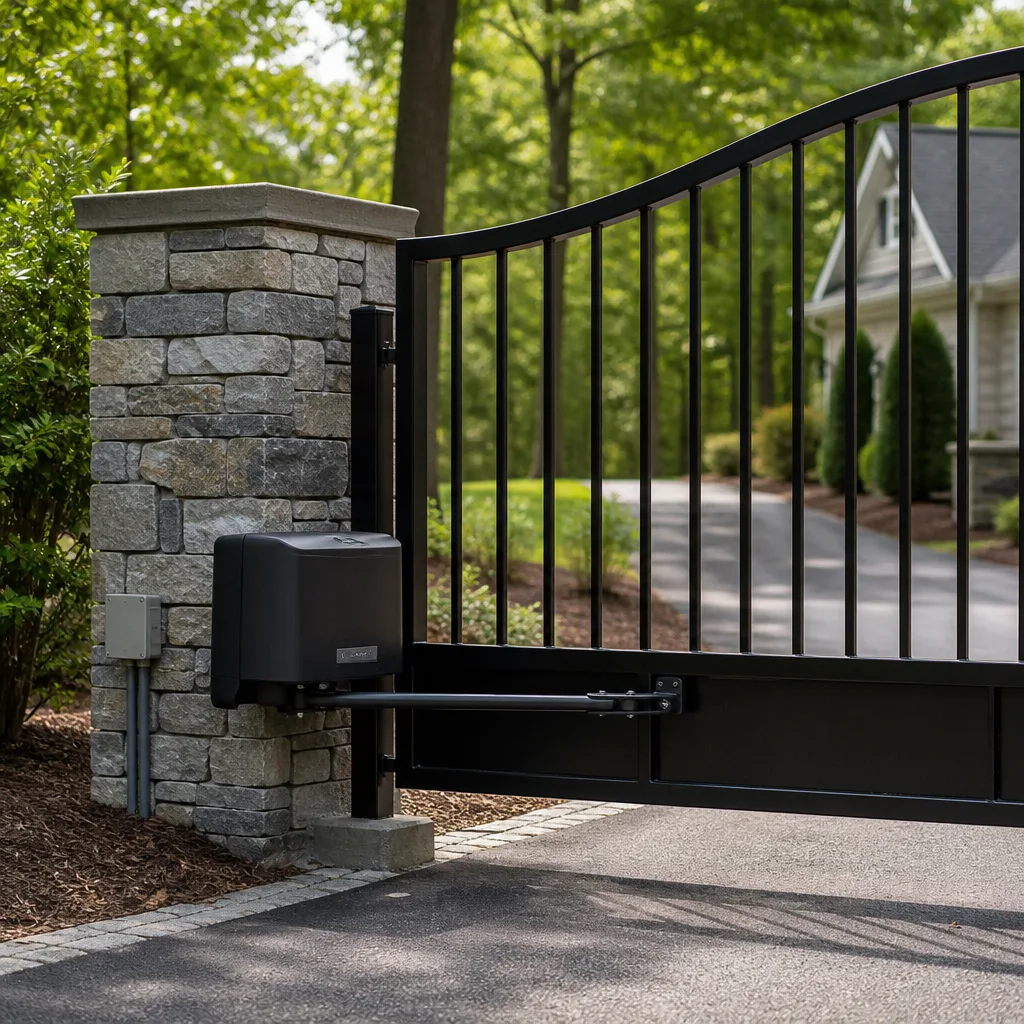 LiftMaster operators
Free on-site gate assessment - hinges, posts, and your LiftMaster or Nice gate operator checked before anything is quoted
The assessment is free and the quote is the invoice.
Get your free estimateDIY vs Professional Gate Repair: The Folsom Homeowner’s Decision Guide
Most homeowners in Folsom assume the DIY-versus-professional question comes down to skill. Can I turn a wrench? Can I follow a YouTube video? The real question is simpler and less flattering: which repairs create legal liability for you if you get them wrong, and which ones only cost you the price of a replacement part? The line is not where most people think. A homeowner who adjusts the force setting on an automated opener without a force gauge can create an entrapment hazard that violates UL 325, and if a child or delivery driver is injured, the homeowner’s insurance may not cover it. This guide walks through exactly where that line sits, which tasks are genuinely safe to do yourself in Folsom, and which ones deserve a call to a specialist, so you can decide with your eyes open.
Styles & brands we work with
- Wrought iron
- Wood & steel frame
- Farm & ranch
- Sliding driveway gates
- LiftMaster operators
Quick Answer
DIY gate repair is appropriate for low-risk maintenance tasks like lubricating hinges, replacing remote batteries, and cleaning photo-eye lenses. Professional repair becomes necessary when the work touches an automated operator’s force settings, loop detectors, control boards, or any component governed by UL 325 entrapment safety standards. In Folsom, where many homes use automated swing and slide gates for driveway access, the practical answer is this: do the cleaning and battery work yourself, leave the operator internals to a licensed specialist.
Table of Contents
- The Liability Line: What UL 325 Actually Means for Folsom Homeowners
- What a Prepared Homeowner Can Safely Do
- Tasks That Look Simple but Are Not
- The Tools a Gate Specialist Uses That You Cannot Reasonably Own
- The Cost Math That Favors Professional Repair
- How to Be an Informed Bystander During a Professional Repair
- What Folsom’s Climate Means for Gate Wear
- Common Mistakes to Avoid
- When to Call a Professional
- Frequently Asked Questions
- The Bottom Line
The Liability Line: What UL 325 Actually Means for Folsom Homeowners
UL 325 is the safety standard that governs automated gate operators in the United States. It exists because automated gates are powerful enough to crush a person. The standard sets requirements for entrapment protection, force limits, and external monitoring devices. What most Folsom homeowners do not realize is that the owner of the property, not the manufacturer and not the installer, carries the legal responsibility for keeping the gate compliant once it is installed. The manufacturer’s compliance ends at the factory. The installer’s compliance ends when the job is done. Every day after that is the homeowner’s.
When you adjust the force limit on a Gate Repair Folsom operator, you are not just making the gate close a little faster. You are changing the amount of pressure the gate will exert before it reverses. Set it too high and the gate will not stop for a child, a pet, or a package that falls into the path. Set it too low and the gate may not close against Folsom’s spring winds, leaving your property open. Either mistake has consequences. The first is a safety hazard. The second is a security gap. Both are invisible until something goes wrong.
The tasks that carry this liability are specific. Force limit adjustment requires a force gauge tester to measure the exact pressure at the leading edge of the gate. Entrapment zone obstruction testing requires placing a test object in the gate’s path and verifying that the operator reverses within the allowed distance. Loop detector sensitivity calibration requires adjusting the magnetic field detection for a specific driveway’s soil and vehicle profile. None of these are doable with a screwdriver and patience. All of them are part of routine professional gate repair work.
In Folsom, where many subdivisions were built with automated driveway gates or have had them retrofitted since the 2010s, this liability is not theoretical. Homeowners associations have begun asking for compliance documentation after injuries and property damage claims. If you do your own operator work and cannot produce records showing the work was tested to UL 325 standards, you are standing alone in a liability claim. A professional repair comes with documentation. A DIY repair comes with a receipt from the hardware store and no testing record.
What a Prepared Homeowner Can Safely Do
There is a real list of tasks any careful Folsom homeowner can handle without touching a liability boundary. These are maintenance items, not repair items. They keep a gate running smoothly between professional service visits and they cost nothing except time and a few dollars in materials.
Hinge lubrication. Swing gates in Folsom collect dust from the dry summer months. That dust works into hinge pins and increases friction. A homeowner can apply a silicone or lithium-based lubricant to the hinge pins, wipe away excess, and improve gate movement immediately. This does not require opening the operator housing or touching any setting.
Remote battery replacement. Most gate remotes take standard coin or 9-volt batteries. If the remote works inconsistently but the gate works fine from the keypad, the battery is almost always the issue. Replace it. This is the lowest-risk gate task there is.
Photo-eye cleaning and alignment. Photo-eyes are the small sensors mounted on either side of the gate opening. They get dusty, they get hit by sprinkler water, and they get nudged by lawn equipment. Wiping the lenses with a dry cloth solves many intermittent stop-and-reverse problems. Checking that the sensors are pointed at each other, not at the fence post, is a five-minute task that requires no tools.
Track clearing for slide gates. A slide gate runs on a track at ground level. Folsom’s fall leaves, spring grass clippings, and year-round acorns from the city’s many oak trees accumulate in that track. Clearing debris with a broom or shop vac is safe, cheap, and surprisingly effective at fixing a gate that hesitates or labors on one side. The track wheels themselves are not adjustable by hand, do not attempt to move them with a wrench.
These four tasks cover roughly forty percent of the service calls we see for gates that are simply dirty, dry, or obstructed. A homeowner who stays in this lane never touches a liability boundary and saves real money. The moment the work moves beyond cleaning and battery replacement, the equation changes.
Tasks That Look Simple but Are Not
Some gate repairs look like mechanical work, and mechanical work feels approachable. The problem is that automated gates are not purely mechanical. They are electromechanical and safety-governed. Three tasks in particular fool capable homeowners every season in Folsom.
- Adjusting the force limit setting. This is the most dangerous DIY task on a gate, and the most commonly attempted. The homeowner’s manual describes it in a few lines, so people assume it is simple. What the manual does not explain is that the correct force setting changes with temperature, gate weight, wind load, and hinge wear. Setting it by feel without a force gauge leaves the gate either non-compliant or non-functional. Professional electric gate repair uses a calibrated force gauge to measure actual pressure and set the limit accordingly.
- Entrapment zone obstruction testing. This is not a repair task at all. It is a verification task. UL 325 requires that the operator reverse when it encounters an obstruction within specific zones and with specific force thresholds. Testing this properly requires a compliant test object and a force meter. A homeowner can watch the gate reverse on a trash can and feel satisfied, but that does not demonstrate compliance. It only demonstrates that the gate reversed on one object once.
- Loop detector sensitivity calibration. Loop detectors are the coils of wire buried under the driveway that tell the gate a car is waiting. When the sensitivity is wrong, the gate opens for every passing truck or does not open for a small car. The adjustment is done inside the operator cabinet, usually with a small potentiometer or digital interface. It looks like turning a dial. But the correct setting depends on the wire loop’s depth, shape, soil composition, and the metal mass of the vehicles using it. A homeowner who adjusts it too high will watch the gate cycle open and closed all day. Too low and a delivery truck sits at the driveway waiting for a gate that never opens. This is a calibration task, not a tuning task, and it requires a loop detector analyzer.
These three tasks share a pattern. They look like small adjustments, but they govern safety systems or detection systems that cannot be verified without specialized equipment. A gate that works after a DIY force adjustment has not been verified. It has just been changed.
The Tools a Gate Specialist Uses That You Cannot Reasonably Own
The tool difference is not a matter of pride. It is a matter of physics and electronics. A homeowner’s toolbox contains wrenches and multimeters. A gate specialist’s truck contains instruments that measure force, analyze magnetic fields, and interface with proprietary control-board software. These are not tools you rent at a Folsom hardware store.
Force gauge testers. A force gauge measures the exact pounds of pressure the gate exerts on an obstruction. UL 325 sets maximum allowable force and requires documentation that a gate stays under it. A force gauge costs several hundred dollars and requires calibration. Without it, no adjustment can be verified. With it, a technician can set a gate to close firmly but stop safely.
Loop detector analyzers. A loop detector analyzer reads the inductance of an underground loop and tells the technician whether the detector is seeing the loop correctly at all. This matters because loops fail invisibly. A cracked wire, a shifting paver, a new patch of asphalt, any of these changes loop inductance. The analyzer shows exactly where the system stands. It is not a multimeter. It is not a continuity tester. It is the difference between guessing and knowing.
Brand-specific diagnostic software. Operators from DoorKing, Elite, Viking, and other manufacturers use proprietary diagnostic interfaces. A technician with brand experience plugs into the control board and reads fault codes, cycle counts, and sensor states directly. Ghost Controls systems report errors through light patterns and beep codes that mean nothing without the service manual. A homeowner reading a blinking light is guessing. A specialist reading the fault log is diagnosing.
High-cycle replacement components. This is less a tool and more a parts-access issue. Residential operators use lightweight components designed for a dozen cycles a day. When a Folsom homeowner runs a residential gate forty times a day because of a home business or a multi-car household, the components fail early. Technicians who work on gates every day carry high-cycle replacements that a homeowner cannot buy at retail. We work on Viking and DoorKing systems regularly in Folsom, and the parts that keep a commercial-grade operator running are not on a shelf at the big-box store.
The tool gap is real and it is not closable by enthusiasm. A homeowner can watch a video, buy a part, and hope. A specialist sees the specific failure mode, knows the specific brand’s quirks, and fixes it the first time.
The Cost Math That Favors Professional Repair
The most common argument for DIY gate repair is cost. Why pay a technician when the part costs sixty dollars and a video shows how to replace it? The answer lies in what happens when that sixty-dollar part does not fix the problem, or when the replacement attempt damages something else.
Consider a typical sequence. A homeowner notices the gate opener is sluggish. They read online that a capacitor is often the cause. They buy a capacitor for sixty dollars, open the operator housing, replace the part, and the gate still works poorly. Now they have spent sixty dollars and an afternoon, and they still have a sluggish gate. They call a professional. The Carmichael technician arrives and finds that the real problem was a worn gear set that was causing the motor to draw extra current, which the capacitor was compensating for and failing. The gear replacement costs four hundred dollars. The homeowner has now paid four hundred and sixty dollars for a four hundred dollar repair, plus the time and frustration of the failed attempt.
But the worse version is this. The homeowner replaces the capacitor incorrectly, leaves a loose connection, and the gate works for a week before the control board overheats and fails. Now the sixty-dollar capacitor attempt has become a control board replacement, which can run three to five times the cost of the original repair. This is not a hypothetical. This is a pattern we see regularly in Folsom, where the dry heat is hard on capacitors and the initial symptom is often misleading.
The honest math is that professional repair is not more expensive when measured across the actual outcome. It is more expensive in the first invoice, yes. But the first invoice is often the only invoice. The DIY path frequently ends with a professional invoice anyway, plus the cost of the parts and time spent guessing. The key differentiator is that a professional diagnosis tells you what is actually wrong, not what a forum thread thinks might be wrong.
The price structure also matters. A professional repair quote is set before work starts. You know the cost, you approve it, and the written estimate sets the final price. There is no version of this where a sixty-dollar guess becomes a four-hundred-dollar surprise without your approval. The same cannot be said for a DIY attempt that goes sideways.
How to Be an Informed Bystander During a Professional Repair
You do not need to be the one turning the wrench to understand your gate. In fact, the best gate owners in Folsom are the ones who stand nearby during a professional repair, ask good questions, and leave with a clearer understanding of their system. This is not about second-guessing the technician. It is about building the knowledge you need to maintain the gate between service visits and to recognize problems early.
Ask what the technician found, in plain language. Any experienced gate specialist can explain a worn gear or a failing capacitor without hiding behind jargon. If you hear a term you do not know, ask for the simple version. A specialist who cannot explain it simply may not understand it deeply.
Ask which brand components are being installed. This matters more than most homeowners realize. Ghost Controls, DoorKing, Elite, and Viking each have their own design philosophy. Knowing which brand your operator is, and which brand the replacement parts come from, helps you understand future repair conversations. A Gate Repair Folsom technician working on a DoorKing operator will install DoorKing-compatible parts, not whatever generic equivalent was on sale.
Ask about the documentation. A professional repair should produce a record of what was done, what was replaced, and whether the gate tested within UL 325 force limits. This documentation is your evidence if a liability question ever arises. It is also your maintenance history, which helps the next technician diagnose faster.
Watch the testing process. When the technician runs the gate through its obstruction tests and safety checks, pay attention. The gate should reverse on an obstruction. The photo-eyes should stop the gate before contact. The loop detector should hold the gate open while a car is present. These are observable behaviors. A homeowner who knows what normal looks like catches problems early.
Ask about lubricant and maintenance points. A good technician will point out the specific hinge points, track surfaces, and chain or belt tension points that need attention. Ask for the short list. Then you have your DIY task list for the next six months, and everything on it is safe for you to do.
What Folsom’s Climate Means for Gate Wear
Folsom’s climate shapes the way gates fail. The summers are hot and dry, with weeks of triple-digit temperatures. The winters are mild, with occasional rain and almost no freezing. There is no freeze-thaw cycle to worry about. There is no snow load. What there is, is heat, dust, and oak-tree debris.
The heat is hardest on electronic components. Control boards and capacitors inside operator cabinets sit in direct sun for months at a time. When the ambient temperature outside is over one hundred degrees, the temperature inside a dark metal cabinet can be significantly higher. Heat accelerates capacitor aging, weakens solder joints, and shortens relay life. A gate that works fine all spring may fail in August, not because anything changed mechanically, but because a component that had been slowly degrading finally gave out under thermal stress.
The dust is hardest on mechanical components. Folsom’s dry summers kick up fine dust from unpaved roadsides, construction sites, and open lots. That dust works into hinge pins, track rollers, and chain drives. It mixes with whatever lubricant is present and forms a paste that accelerates wear. Regular cleaning and lubrication, which a homeowner can do, extends component life meaningfully. Regular professional inspection catches the wear before it becomes a failure.
The oak trees are a wildcard. Folsom has a large population of mature oaks, and acorns fall in quantity every autumn. Acorns roll into slide gate tracks, wedge under gate wheels, and accumulate against gate posts. A gate that drags or hesitates in October and November is often simply fighting acorn debris. A homeowner with a broom solves half of these calls. But the other half are gates where debris in the track has bent a guide bracket or snapped a track wheel. Those need professional gate repair.
None of this climate analysis requires a special test. It is observable by any Folsom homeowner who walks their gate line once a month. The point is that gates in this city fail in predictable ways, and a homeowner who knows those patterns handles maintenance with confidence and knows when the problem has moved beyond the DIY lane.
Common Mistakes to Avoid
- Adjusting force settings without a gauge. This is the single most common DIY mistake, and the most dangerous. The gate seems to work after the adjustment, but no one knows what force it is actually exerting. If it hurts someone, the homeowner is the liable party.
- Replacing a part before diagnosing the problem. The urge is to swap the part that a forum thread names. But capacitors, gears, limit switches, and control boards can all produce similar symptoms. Replacing the wrong part wastes money and can damage the correct one.
- Ignoring the photo-eye alignment. Many homeowners assume a gate that reverses for no reason has a serious operator problem. Often the photo-eyes have simply been knocked out of alignment by a mower or a broom handle. Cleaning and realigning them is a five-minute DIY fix.
- Using the wrong lubricant. WD-40 is not a gate lubricant. It is a water displacer and a light penetrant. It strips existing lubricant and leaves hinge pins drier than before. Folsom’s dust plus WD-40 creates a sticky paste that accelerates wear. Use a silicone or lithium-based lubricant.
- Skipping obstruction testing after any repair. Any time a gate is touched, even just a hinge adjustment, the entrapment protection should be re-verified. A gate that reversed correctly before may not afterward. Professional repairs include this testing. DIY repairs usually skip it entirely.
- Running a residential operator on a commercial schedule. A Folsom homeowner with four drivers in the household may cycle the gate forty times a day. Residential operators are not built for that. Operating a gate beyond its rated cycle count leads to premature motor and gear failure. If your household cycles the gate heavily, ask a professional about high-cycle components.
- Waiting until the gate completely fails to call. A gate that is noisy, slow, or intermittent is telling you something. Catching a worn gear at the noisy stage is a small repair. Waiting until the gear strips entirely is a larger one, usually when you are trying to leave for work.
When to Call a Professional
A homeowner should call a professional when the gate shows any sign of an electrical or control system failure. The gate does not open from the keypad but does from the remote. The gate opens but will not close. The gate reverses immediately after starting. The operator hums but nothing moves. The gate opens and closes on its own at random. Any of these points to the control board, the loop detector, the safety sensors, or the actuator, and all of those are professional territory.
You should also call when the gate has been hit by a vehicle. A gate that has absorbed an impact may look fine but have hidden damage to the hinge, the tracking, or the operator mounting. A professional inspection catches the damage before the gate fails under load.
Gate Repair Folsom offers free estimates in Folsom. Call (833) 593-3926 and describe what your gate is doing. We answer 24/7. Fast dispatch from 7am to 7pm, Sunday through Friday.
Frequently Asked Questions
You can safely handle low-risk maintenance tasks like hinge lubrication, remote battery replacement, and photo-eye cleaning. You should not attempt force limit adjustment, loop detector calibration, or control board work, because those tasks carry UL 325 liability and require specialized testing equipment. If you are unsure, call (833) 593-3926 for guidance.
Hinge lubrication, remote battery replacement, photo-eye cleaning and alignment, and slide gate track clearing are all safe for a prepared homeowner. Each is a maintenance task, not a repair, and none requires opening the operator housing or changing a safety setting. These tasks keep a Folsom gate running between professional visits.
Professional gate repair cost depends on what has failed. A simple hinge or track adjustment is much less than a control board replacement. The only way to get a real number is with a professional diagnosis. Gate Repair Folsom offers free estimates, and the written estimate sets the final price before any work starts. Call (833) 593-3926 for an exact quote.
UL 325 is the safety standard for automated gate operators. It sets force limits, obstruction-reversal requirements, and external monitoring rules. The property owner carries the legal responsibility for keeping a gate compliant, which means any adjustment to force settings or entrapment protection should be done and documented by a professional.
Folsom’s summer temperatures stress electronic components inside the operator cabinet. Capacitors and control boards degrade faster in heat, and a gate that worked fine all spring may fail in August when a heat-stressed component gives out. This is a known pattern in the Sacramento Valley and is best addressed with a professional diagnosis.
We work on LiftMaster, FAAC, BFT, Linear, Viking, Ghost Controls, DoorKing, Elite, and Mighty Mule systems. If your gate uses one of these brands, we know its control logic, common failure points, and replacement part requirements. Call (833) 593-3926 and tell us what you have. We answer 24/7.
The Bottom Line
DIY gate repair in Folsom is a lane, not a spectrum. Clean the photo-eyes, lube the hinges, clear the track, change the remote battery. Those are safe, sensible, and effective. The moment the work touches the operator, the control board, the loop detector, or any force or obstruction setting, the lane ends. Those tasks carry liability, require specialized tools, and resist guessing. The cost math favors professional repair not because DIY is bad, but because guessing is expensive and liability is worse. In a city where heat, dust, and oak debris push gates to fail in predictable ways, a Folsom homeowner who knows the difference between lubrication and calibration makes better decisions than one who assumes the gate is just another piece of mechanical hardware. It is not. Treat it that way and it will serve you well.
Written by the team at Gate Repair Folsom, serving Folsom since 2014.
See the difference
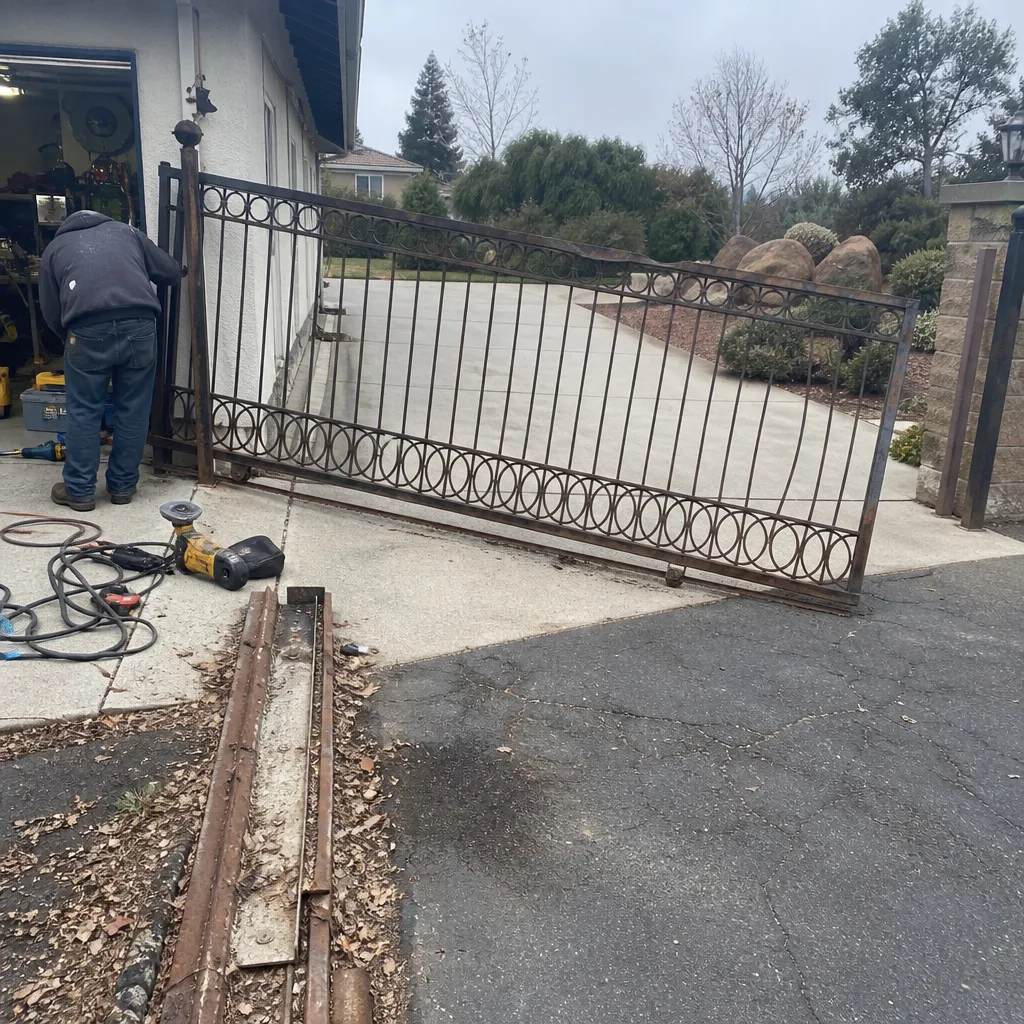 Before
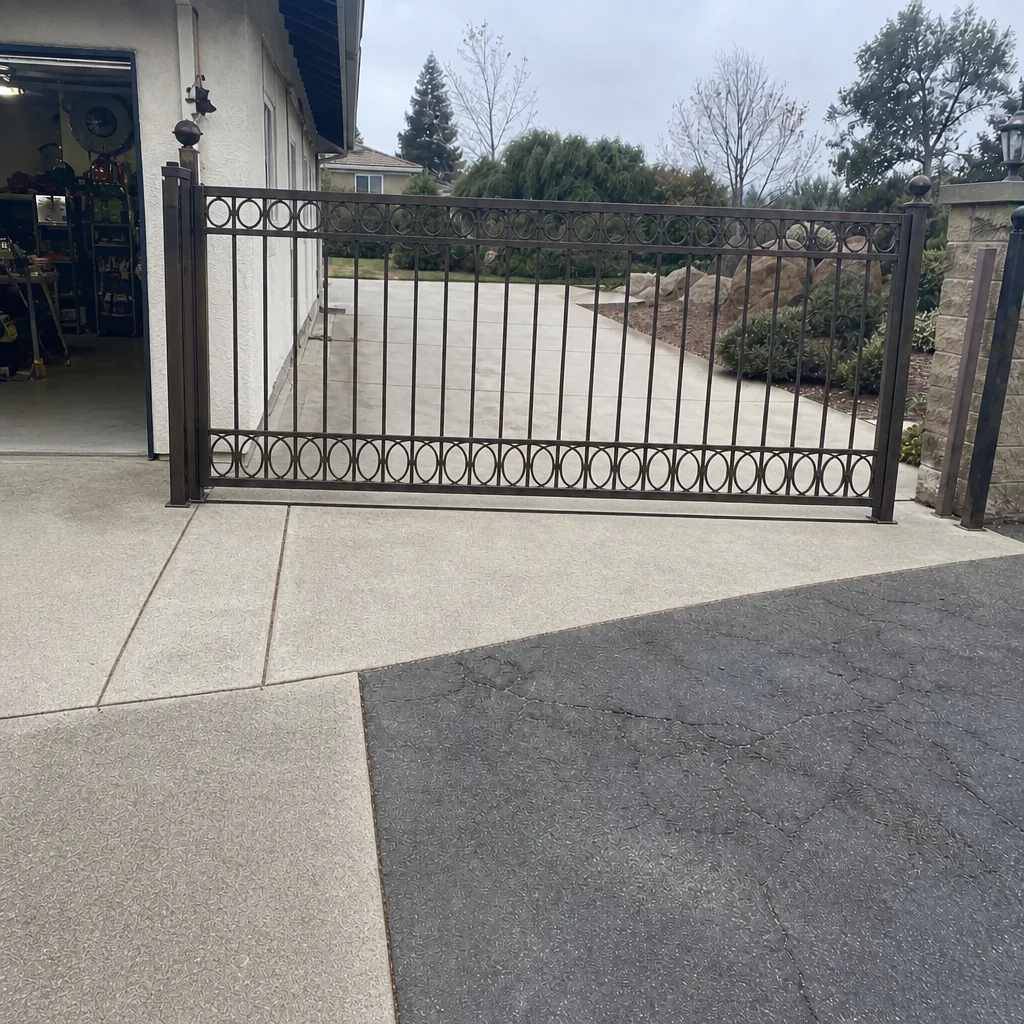 After
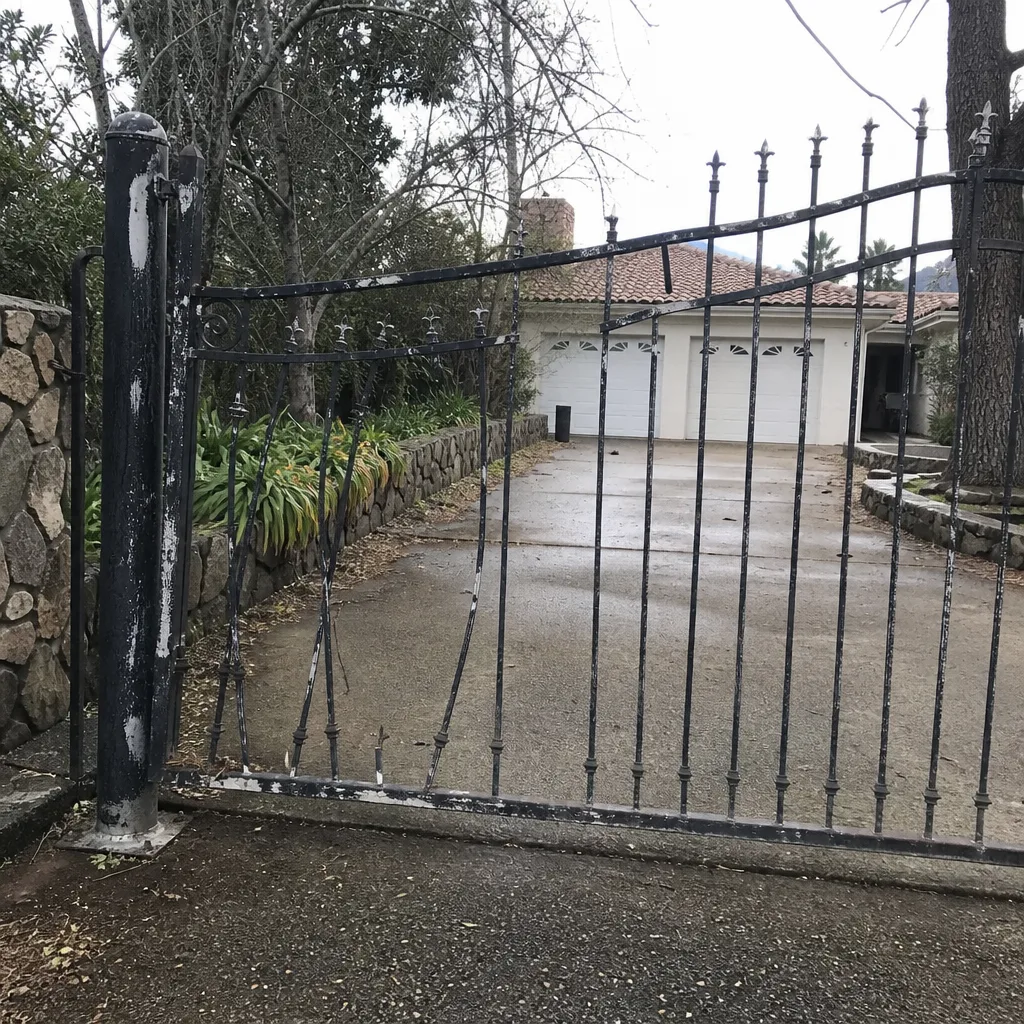 Before
 After
 Before
 After