
Last updated November 4, 2026
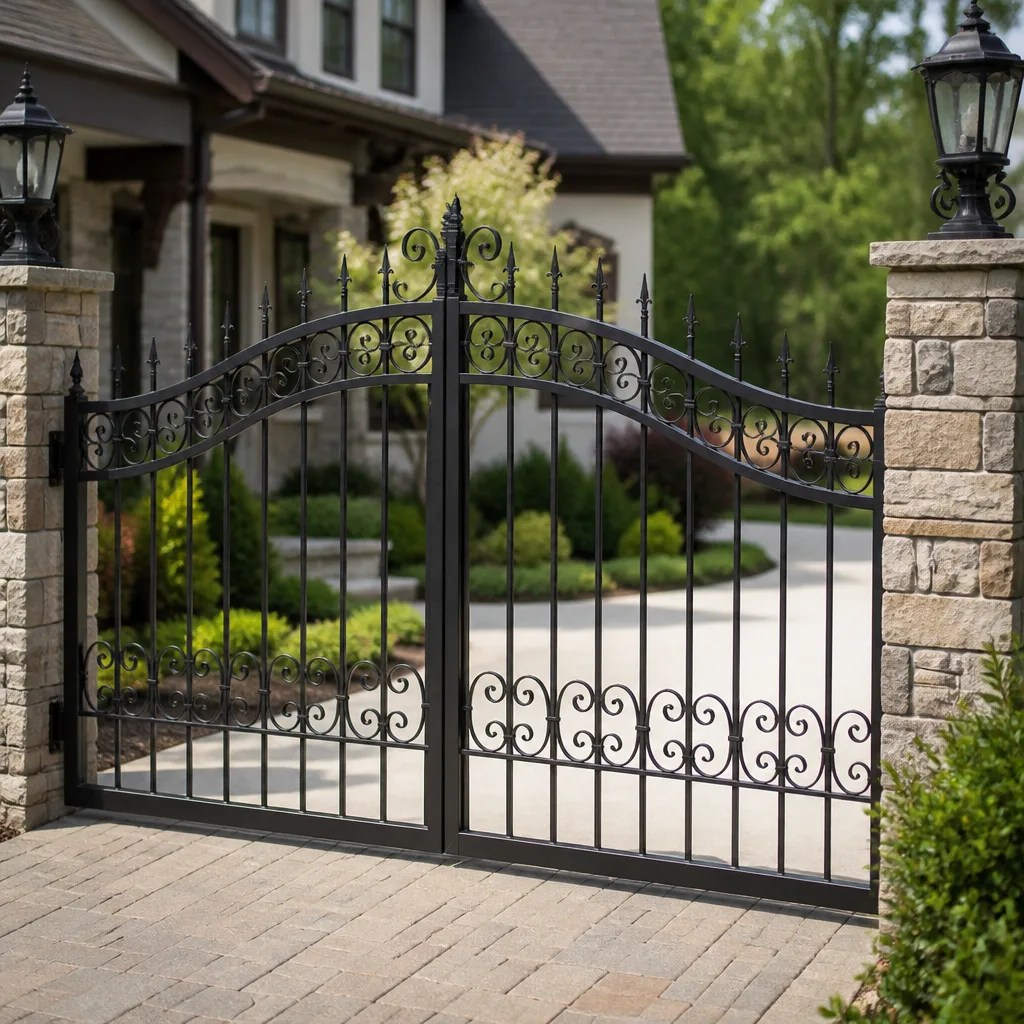 Wrought iron
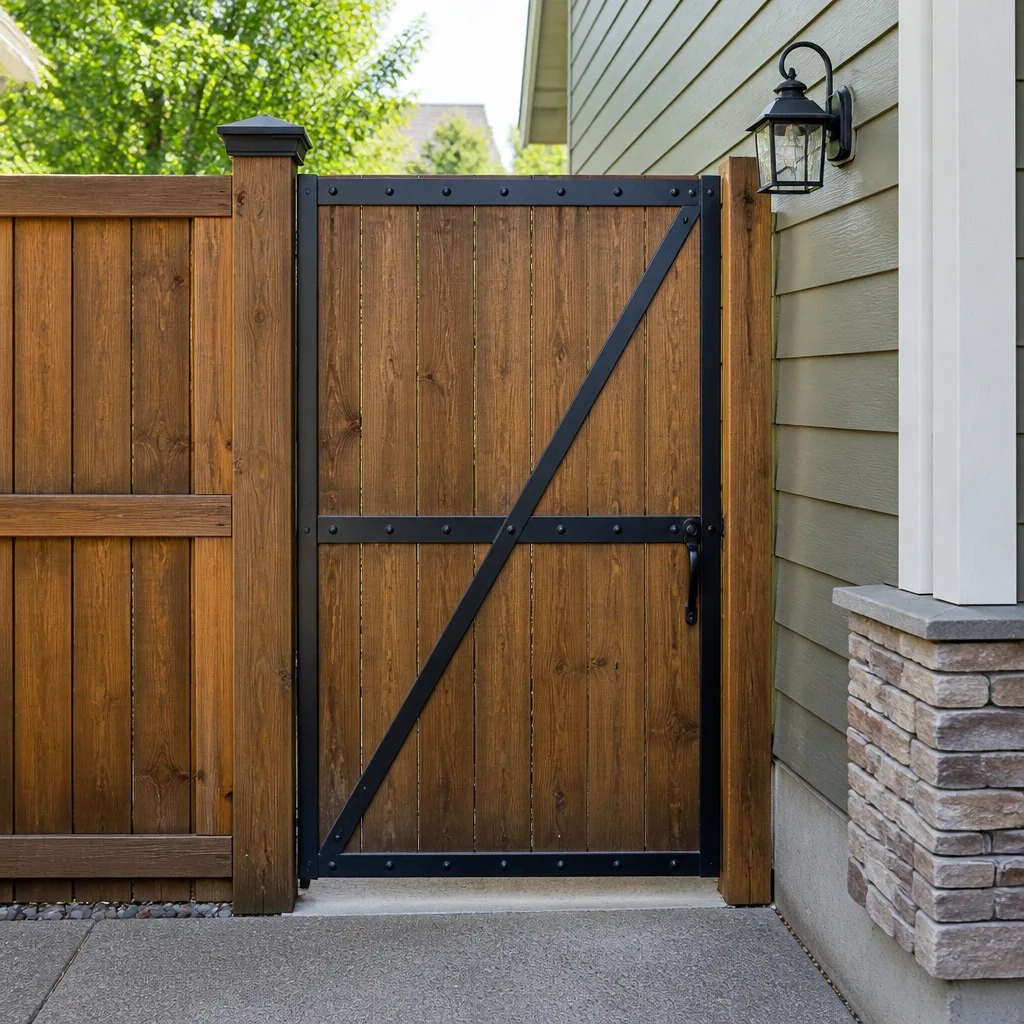 Wood & steel frame
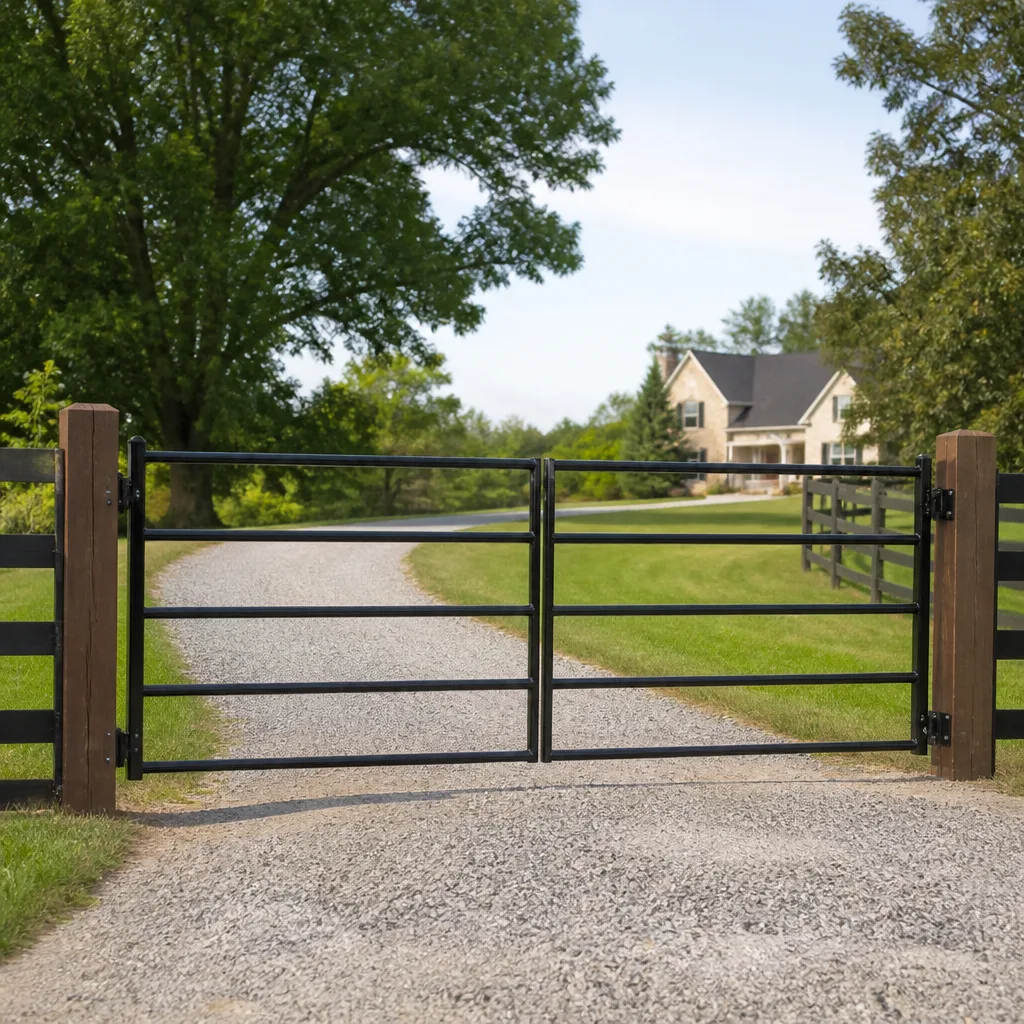 Farm & ranch
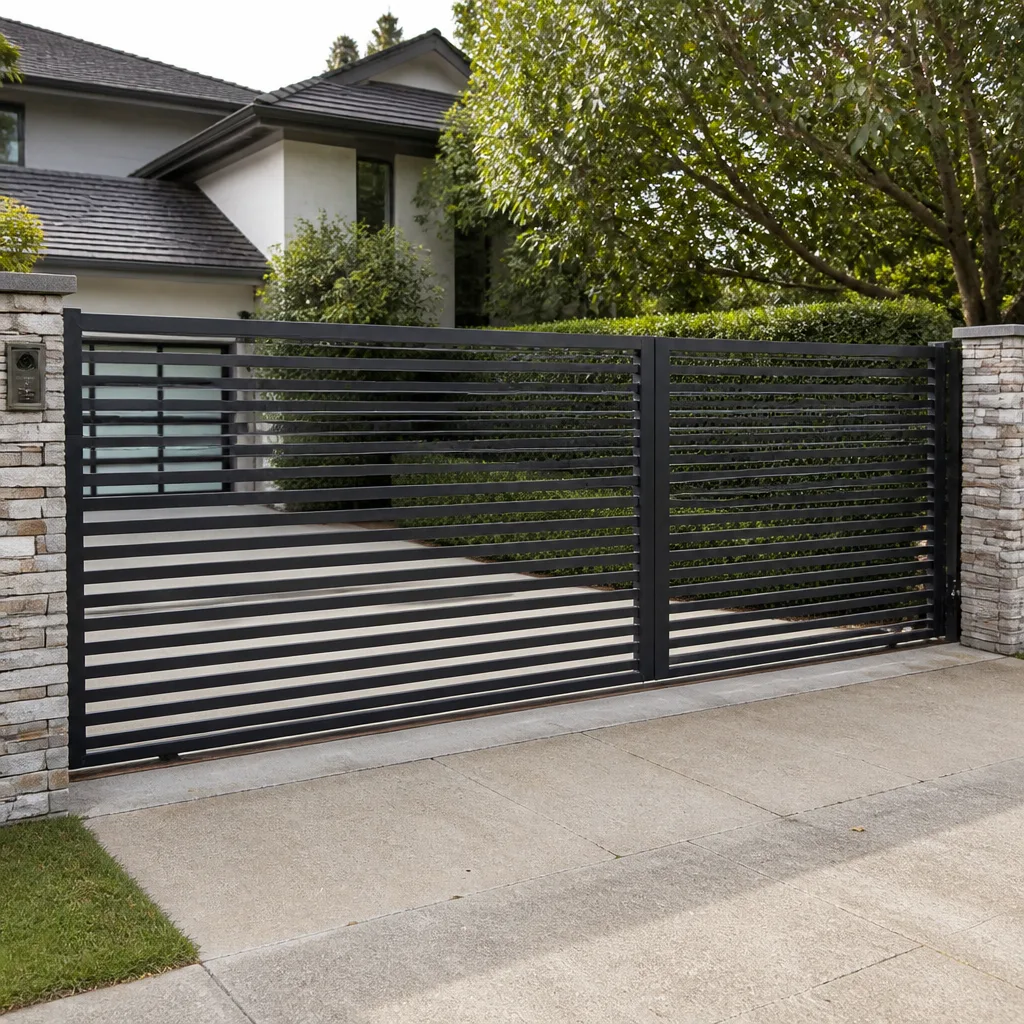 Sliding driveway gates
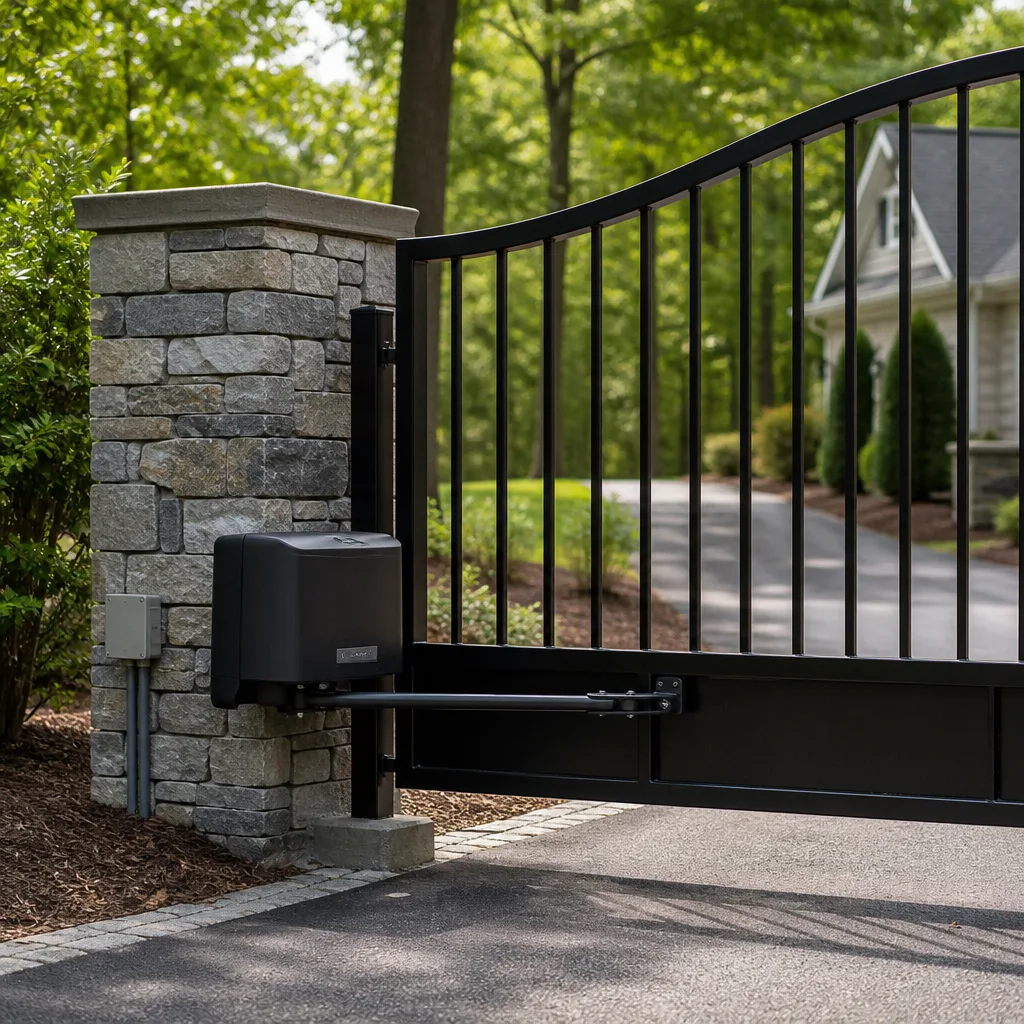 LiftMaster operators
Free on-site gate assessment - hinges, posts, and your LiftMaster or Nice gate operator checked before anything is quoted
The assessment is free and the quote is the invoice.
Get your free estimateThe Complete Guide to Gate Repair in Folsom
A gate that opens slowly isn’t a minor annoyance. It’s a torque overload symptom that burns out operators in 60 to 90 days if left undiagnosed. Most people in Folsom wait until the gate stops moving entirely before calling anyone, and by then a $90 adjustment has become a $1,400 operator replacement. This guide explains the three root causes behind most gate failures here, how to tell them apart, and what actually needs to happen to get your gate working reliably again.
Quick Answer
Gate repair in Folsom typically costs between $90 and $1,400 depending on whether the issue is a minor adjustment, a component replacement, or a full operator swap. A gate specialist who works on your specific brand can usually diagnose the problem on the first visit and have it back to working condition the same day. The three root causes behind most Folsom gate failures are soil movement, operator mismatch, and deferred maintenance.
Styles & brands we work with
- Wrought iron
- Wood & steel frame
- Farm & ranch
- Sliding driveway gates
- LiftMaster operators
Table of Contents
- The Three Root Causes Behind Most Gate Failures in Folsom
- How Folsom’s Clay Soil Causes Gate Post Lean
- Operator Mismatch: The Most Expensive Mistake
- Deferred Maintenance: What Quietly Kills Gates
- Brand-Specific Failure Patterns We See
- Repair vs. System Redesign
- What a Qualified Gate Specialist Should Diagnose on the First Visit
- UL 325 Compliance: When a Repair Is a Code Liability
The Three Root Causes Behind Most Gate Failures in Folsom
After working on gates across Folsom for years, we can trace almost every failure back to one of three root causes. Understanding which one you’re dealing with changes everything about how the repair should be approached.
- Soil movement. Folsom’s clay-heavy soils expand and contract with moisture changes. When gate posts shift, the gate becomes misaligned, and the operator starts working against resistance it wasn’t designed for. The motor doesn’t know the post moved. It just knows the gate is harder to move, so it pulls more current, runs hotter, and eventually fails.
- Operator mismatch. This is the most expensive root cause because it means someone installed the wrong operator for the gate’s weight and cycle rate. A residential-grade Mighty Mule opener on a heavy ornamental steel gate will work for a while, then slowly destroy itself. The failure looks like “the opener went bad” when the real problem is that the opener was never right for the job.
- Deferred maintenance. Gates are mechanical systems that need occasional attention. Hinges wear, wheels flatten, chains stretch, and circuit boards corrode. None of these things fail suddenly. They degrade over months, and the first sign is usually a gate that moves a little slower than it used to.
The rest of this guide goes through each root cause in detail, starting with the one most people in Folsom never consider.
How Folsom’s Clay Soil Causes Gate Post Lean
Folsom sits on clay-heavy soils that shift noticeably with seasonal moisture changes. A gate post set in clay behaves differently than one set in sandy or rocky ground. When the clay gets wet, it swells. When it dries, it shrinks and cracks. Over several years, this cycle can push a post out of vertical alignment by half an inch or more.
That half-inch matters. A gate that’s out of square by even a small amount changes the geometry of the entire system. The hinges bind. The latch doesn’t line up. The operator has to push harder to move the same gate, which means the motor runs hotter and the gearbox wears faster.
Here’s how to tell if soil movement is your problem before calling anyone:
- Check the gap. Look at the gap between the gate and the post at the top versus the bottom. If the top gap is wider than the bottom gap, the post has likely leaned.
- Watch the gate as it opens. If the gate scrapes the ground near the end of its travel but not at the beginning, that’s a post lean issue, not an operator issue.
- Look at the hinges. Uneven wear on the hinge pins, or a hinge that’s visibly pulling away from the post, points to post movement.
- Test the latch. A latch that used to catch cleanly but now needs a shove to engage is a classic sign of post or gate sag.
Post lean is often misdiagnosed as operator failure. The operator was working fine until the geometry changed, and now it’s fighting the gate every cycle. Fixing the post alignment is a structural repair, not an electronics repair. A gate specialist who understands Folsom soils will check for this before ordering parts or replacing a motor that isn’t actually the problem.
Operator Mismatch: The Most Expensive Mistake
An operator mismatch happens when the motor’s capacity doesn’t match the gate’s weight, size, or daily cycle count. It’s the root cause we see most often on gates that were installed by general contractors or homeowners who picked the operator based on price rather than specifications.
Here’s what a mismatch looks like in practice. A Mighty Mule opener is a solid entry-level residential unit. It’s designed for light to medium gates that cycle a few dozen times a day. Put that same opener on a heavy steel gate at a Folsom property with frequent traffic, and the motor is working near its limit every single cycle. It runs hot. The gears wear faster. The circuit board gets stressed. The opener doesn’t fail because it’s a bad product. It fails because it’s the wrong product for that gate.
The same problem happens in the other direction on commercial properties. A DoorKing operator designed for a high-cycle commercial slide gate will last for years in an industrial setting, but it’s overkill for a residential driveway that opens a handful of times a day. The extra capacity isn’t a problem by itself, but the installation cost and complexity don’t make sense for a home.
Cycle rate matters as much as weight. A gate at a Folsom apartment complex might cycle 300 times a day. A gate at a single-family home might cycle 20. The operator for the apartment gate needs to be built for that duty cycle, and if someone installed a residential-grade unit, it will fail early. Not because anything broke, but because it was never engineered for that workload.
Deferred Maintenance: What Quietly Kills Gates
Most gate components don’t fail catastrophically. They degrade. The hinges wear gradually. The wheels on a slide gate flatten over time. The chain stretches. The capacitor in the operator weakens. The circuit board contacts oxidize. None of these things happen overnight, which means there’s a window where the gate still works but is telling you something is wrong.
The problem is that most people ignore those signals until the gate stops responding entirely. Here are the early warning signs we recommend watching for:
- Slower operation. A gate that opens noticeably slower than it did six months ago is almost always working harder. That increased effort becomes heat, and heat destroys motors.
- New noises. A grinding, squealing, or clicking sound that wasn’t there before is a mechanical component telling you it’s wearing out.
- Intermittent operation. The gate opens sometimes but not others. The keypad works in the morning but not the evening. These are classic early signs of a failing control board or a bad connection.
- Visible wear. A sagging gate, a wheel that’s no longer round, or a chain with obvious slack are all maintenance items that will become repair items if ignored.
The economics favor catching these early. A hinge replacement or a wheel replacement is a low-cost fix. Replacing the operator because it burned itself out trying to move a gate with bad hinges is a much bigger bill. Most gate repairs in Folsom we handle fall into this category: the damage was preventable, but no one was looking until the system failed.
Brand-Specific Failure Patterns We See
Every gate and operator brand has its own design logic, and that logic produces predictable failure patterns. A LiftMaster LA500 doesn’t fail the same way a FAAC 400 does, even when they’re installed on similar gates in similar Folsom driveways. Knowing the difference is what separates a gate specialist from a general handyman.
LiftMaster operators are built around smooth, reliable DC motors, but their control boards are sensitive to thermal stress. On hot Folsom afternoons when the operator is mounted in direct sun, the board can overheat and reset. The gate stops mid-cycle or refuses to respond for a few minutes, then works again after it cools. Homeowners often describe this as “the gate has a mind of its own.” It’s a heat issue, not a ghost, and it points to a mounting location problem or a board on its way out.
FAAC operators are common on commercial and heavy residential gates. The hydraulic models hold up well under sustained use, but they’re unforgiving of low hydraulic fluid or worn seals. A FAAC 400 that’s slow to open on a cold morning but fine by midday is usually telling you the fluid is low or contaminated. Ignore it, and the pump starts cavitating, which is a much more expensive repair.
Elite and DoorKing systems show up most often on Folsom commercial properties and gated communities. These are high-cycle units designed for years of hard use, but they demand consistent voltage and clean connections. A DoorKing operator that works intermittently is often dealing with a corroded terminal block or a failing loop detector, not a dead motor. Replacing the operator without checking those components first is a waste of money.
This is exactly why we work on your brand specifically. When a technician is already familiar with LiftMaster’s board behavior or FAAC’s hydraulic quirks, diagnosis takes minutes instead of an hour of flipping through a manual.
Repair vs. System Redesign
Not every broken gate should be repaired. Some should be redesigned. The difference comes down to whether the failure was caused by a component wearing out or by a system that was never correct from the start.
A repair is the right call when a single component failed within an otherwise healthy system. The operator was correct for the gate. The installation was structurally sound. A capacitor failed, a hinge wore out, a loop detector stopped detecting. Replace the component, and the system has years of life left.
A redesign is the right call when the failure points to a systemic mismatch. Here’s how to tell the difference:
- The operator has been replaced before. If this is the second or third operator on the same gate in a short period, the operator probably isn’t the real problem. The gate is too heavy, the duty cycle is too high, or the installation geometry is wrong.
- The gate is heavier than it looks. Ornamental steel gates can weigh hundreds of pounds more than they appear to. If the original installer didn’t account for that, the operator has been overworking since day one.
- Traffic has changed. A gate installed when a Folsom property had one resident and two cars may now serve a household with four drivers and frequent visitors. The cycle rate has doubled or tripled, and the original operator wasn’t sized for that.
- The repair cost approaches replacement cost. If the estimate to fix a failing operator is 70% or more of the cost of a correctly-sized new one, the better long-term decision is usually a redesign.
A redesigned system starts with measuring the actual gate weight, travel distance, and daily cycle count, then selecting an operator that matches those numbers with headroom to spare. That’s a different process than simply swapping out a failed part, and it’s where electric gate repair crosses into system-level thinking. The goal isn’t just to make the gate work today. It’s to make it work for the next decade without burning through another operator.
What a Qualified Gate Specialist Should Diagnose on the First Visit
When a Folsom gate specialist arrives to diagnose a problem, certain things should happen on that first visit. Other things reasonably require a return trip with parts. Understanding the difference helps you set realistic expectations and spot when a technician is doing real diagnosis versus guessing out loud.
On the first visit, a qualified specialist should:
- Listen to your description of the problem. The symptoms you’ve observed over the past days or weeks are diagnostic data. A good technician asks about when the problem started, whether it’s worse at certain times of day, and whether the gate makes any unusual sounds.
- Check the gate’s mechanical condition. Hinges, wheels, track alignment, and post plumb all get examined before any electronics are touched. If the mechanical system is binding, the electronics can’t be evaluated fairly.
- Test the operator under load. The motor, gearbox, and drive mechanism should be observed while actually moving the gate. Amperage draw can be checked to see if the motor is working harder than it should.
- Inspect the control board and connections. Loose terminals, corrosion, burned components, and signs of overheating are all visible on a quick inspection for someone who knows what to look for.
- Test the safety devices. Photo eyes, edge sensors, and loop detectors should be tested to confirm they’re functioning. This isn’t optional. It’s a safety requirement.
- Give you a written estimate. You should know the price before any work starts. Not a vague range. A written number for the specific repair, agreed to by both parties.
What may require a return trip is the actual repair, if the diagnosis reveals a failed component that isn’t a standard stock item. Most common parts, like capacitors, boards for major brands, and hinge hardware, are usually available quickly. More specialized components for less common systems might need to be ordered. What matters is that the diagnosis is complete and confident on that first visit, so the return trip is about executing a known fix, not discovering new problems.
UL 325 Compliance: When a Repair Is a Code Liability
UL 325 is the safety standard that governs automatic gate operators in the United States. It sets requirements for entrapment protection, which means the gate must be able to detect a person or object in its path and either stop or reverse. Most people in Folsom never think about UL 325 until a gate problem forces the conversation.
Here’s the situation that matters: older Folsom residential installations may predate current UL 325 requirements. A gate installed in the 1990s or early 2000s might not have photo eyes, a reversing edge, or any of the entrapment sensors now required. The gate worked fine for years, and no one ever thought about safety compliance because the gate still opens and closes.
The moment a technician touches that gate, the compliance picture changes. When we repair an older operator or replace it with a new one, UL 325 safety requirements apply to that installation. A new operator needs working photo eyes or an equivalent entrapment protection device. A repaired operator that was already non-compliant becomes a liability the moment someone knows about the gap and doesn’t address it.
This matters for two reasons. First, safety: an automatic gate without entrapment protection can seriously injure a child, a pet, or an adult who happens to be in the path when the gate closes. Second, liability: a property owner who knows their gate lacks required safety features and does nothing about it has created an avoidable risk.
The practical takeaway is that some gate repairs in Folsom are more than a mechanical fix. When a repair or replacement touches the operator, the safety system needs to be part of the job. A gate specialist will include that in the scope of work. A handyman who swaps out a motor and ignores the missing photo eyes hasn’t finished the job, and has arguably made it more dangerous by leaving a newly repaired, non-compliant gate in service.
Common Mistakes to Avoid
- Replacing the operator without checking the gate. If the gate is binding, misaligned, or too heavy, a new operator will fail the same way the old one did. The operator is usually the victim, not the cause.
- Ignoring a gate that opens slowly. Slow operation means the motor is under load stress. Every extra week of that stress brings the operator closer to failure. A $90 adjustment becomes a $1,400 replacement when the warning signs are ignored.
- Buying the cheapest replacement operator. An operator that costs less because it’s undersized for your gate will cost more when it fails in two years and takes the gate back out of service.
- Skipping the safety device check. Photo eyes and edge sensors aren’t optional accessories. They’re required safety equipment. A technician who doesn’t test them hasn’t completed the repair.
- Using a general handyman for an electric gate. Electric gates involve control boards, loop detectors, and brand-specific diagnostic logic. A general contractor who handles fences, decks, and the occasional gate won’t have the same depth of familiarity as a dedicated gate repair specialist.
- Assuming the post movement is an operator problem. Folsom’s clay soil shifts. If the gate was working fine and then started binding, check the posts before blaming the motor.
- Deferring maintenance to save money. A $150 hinge replacement now prevents a $700 operator failure later. Gates don’t get cheaper to fix when you wait.
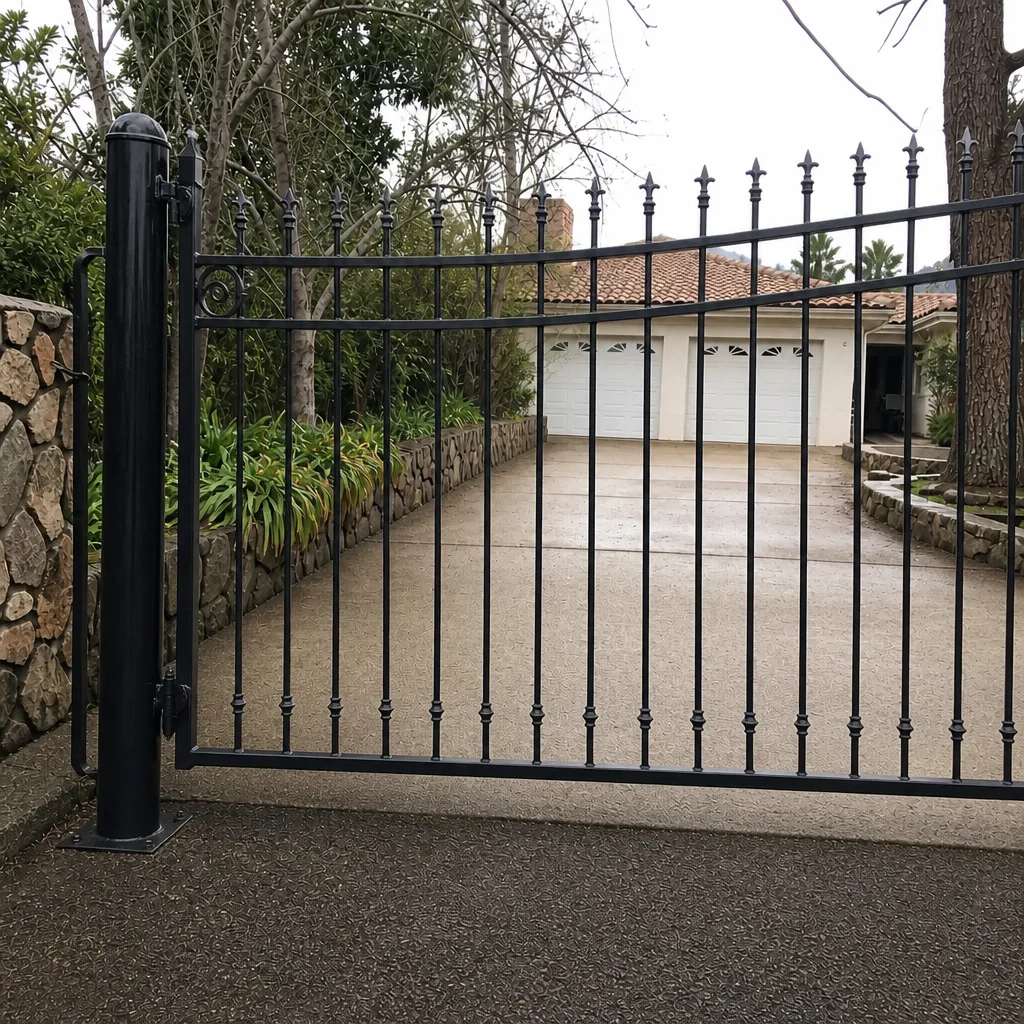
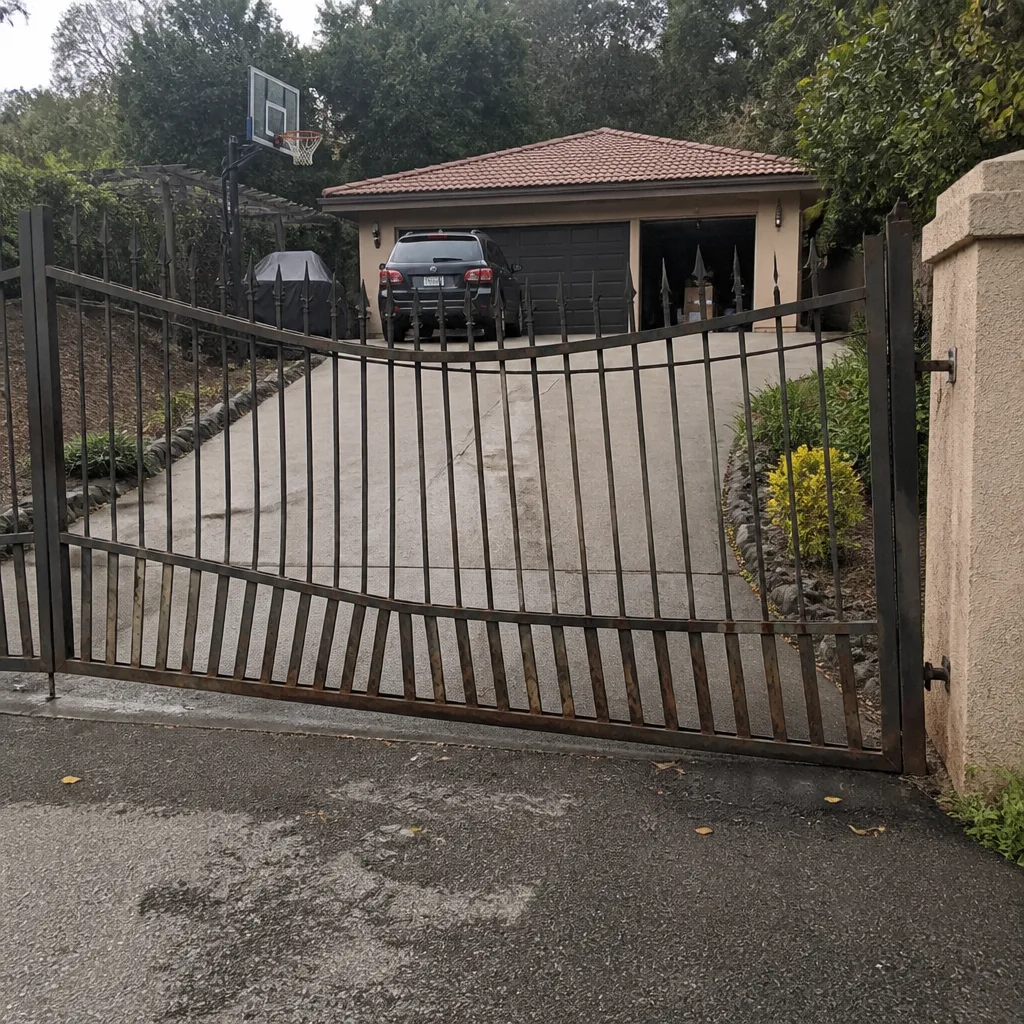
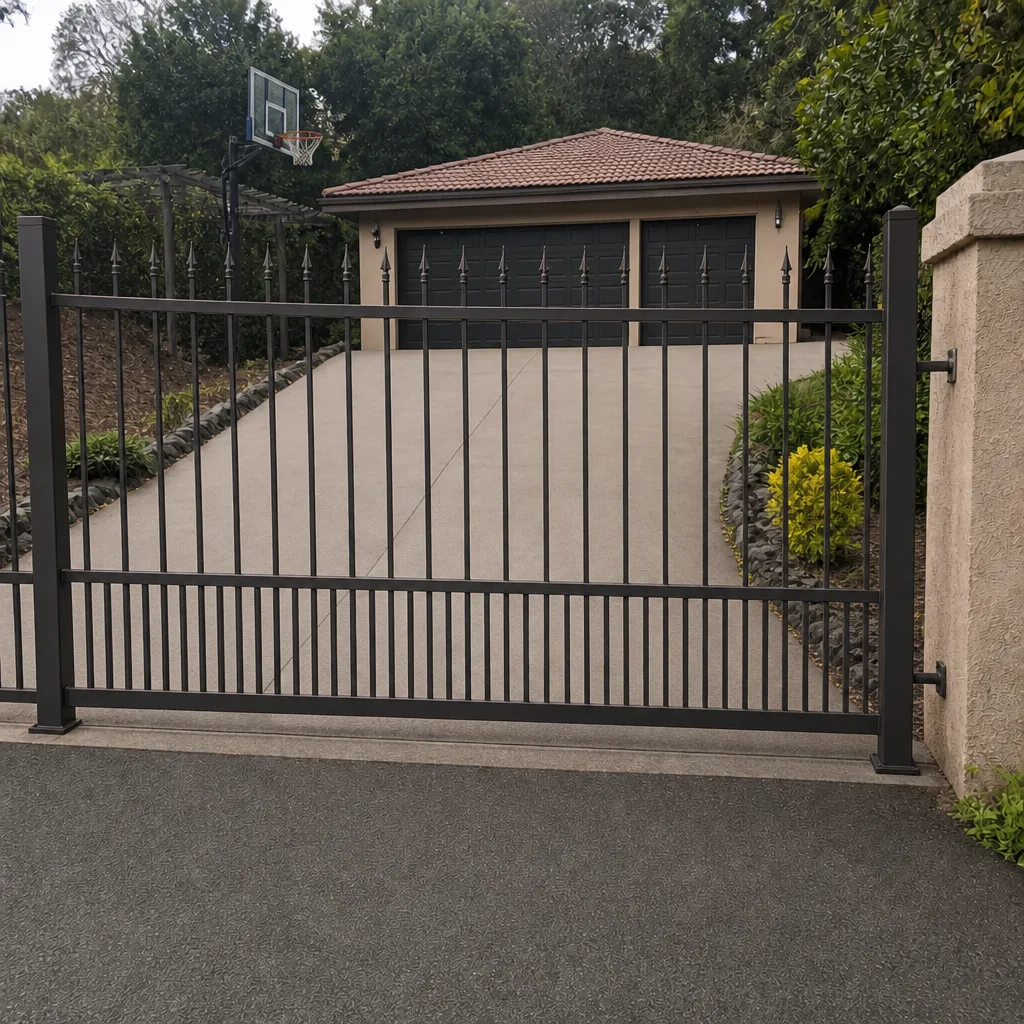
See the difference
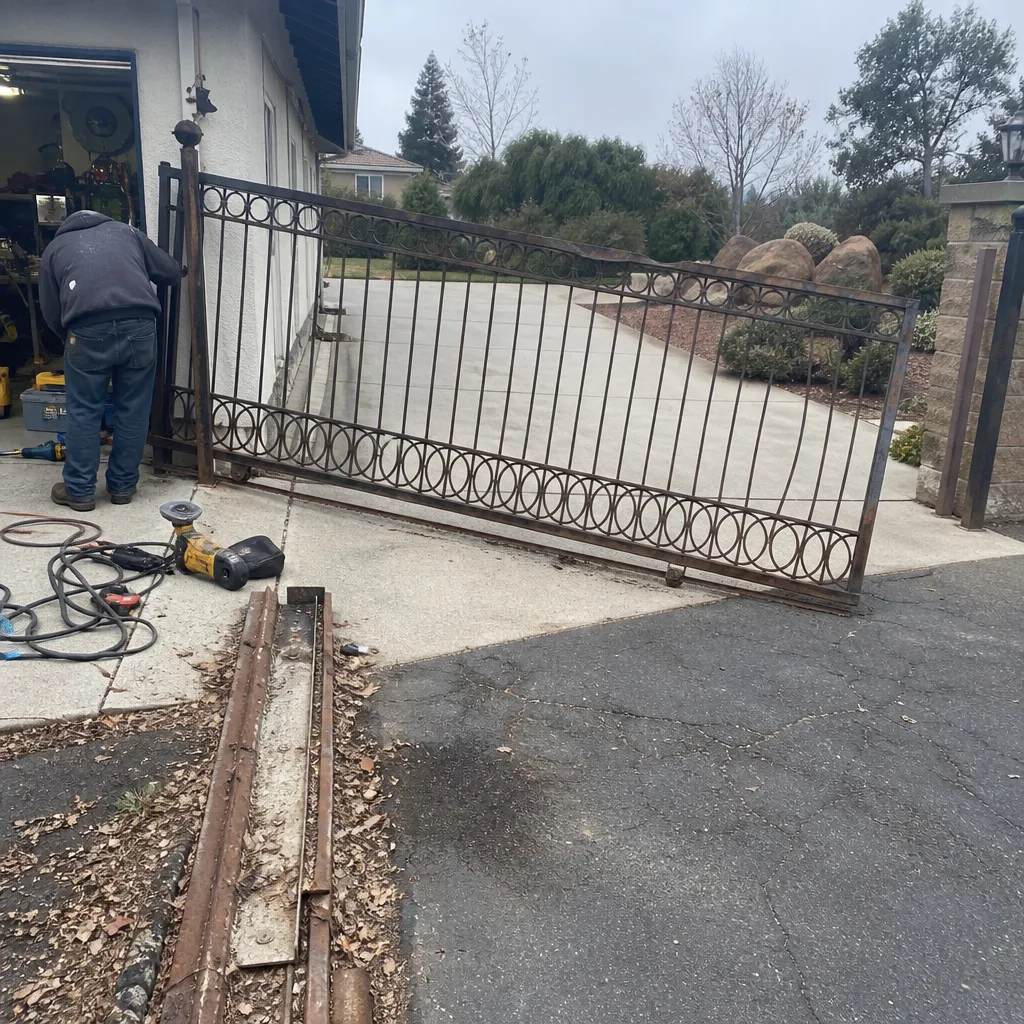 Before
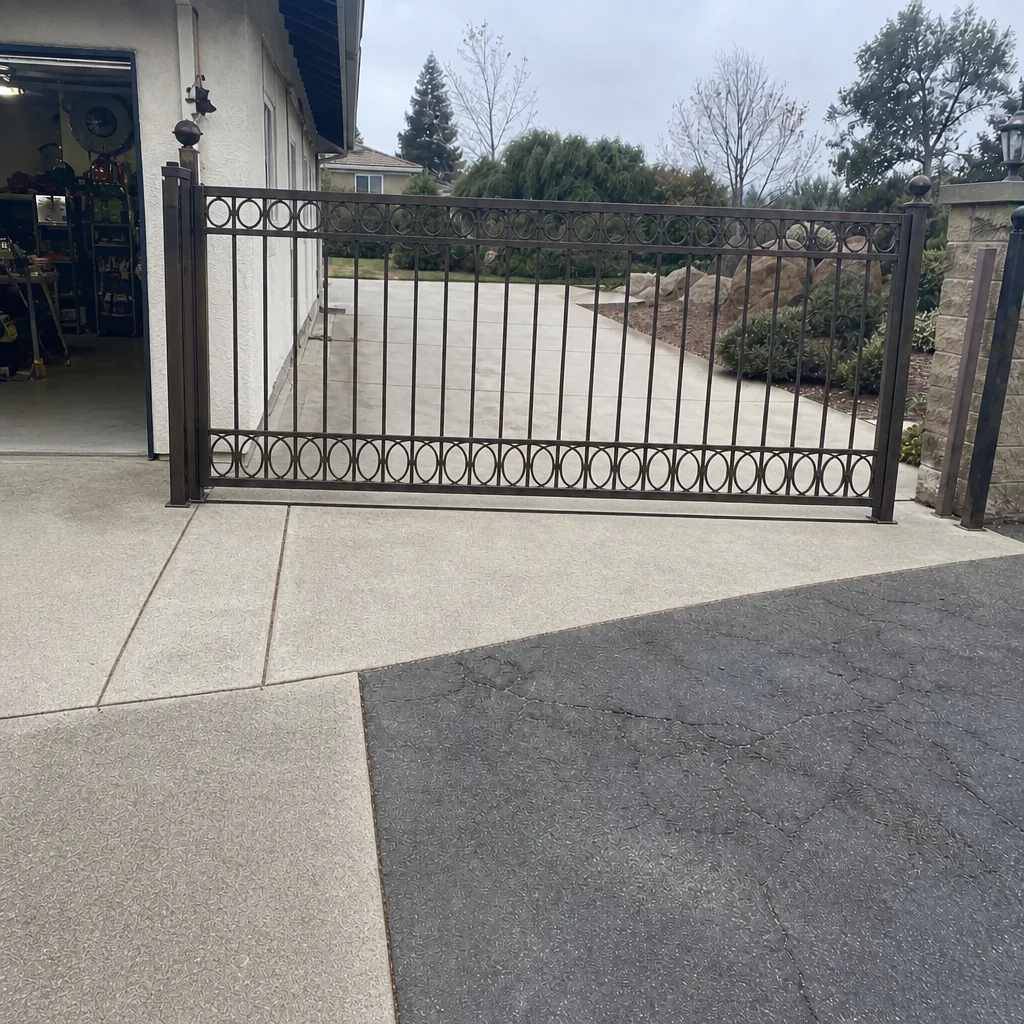 After
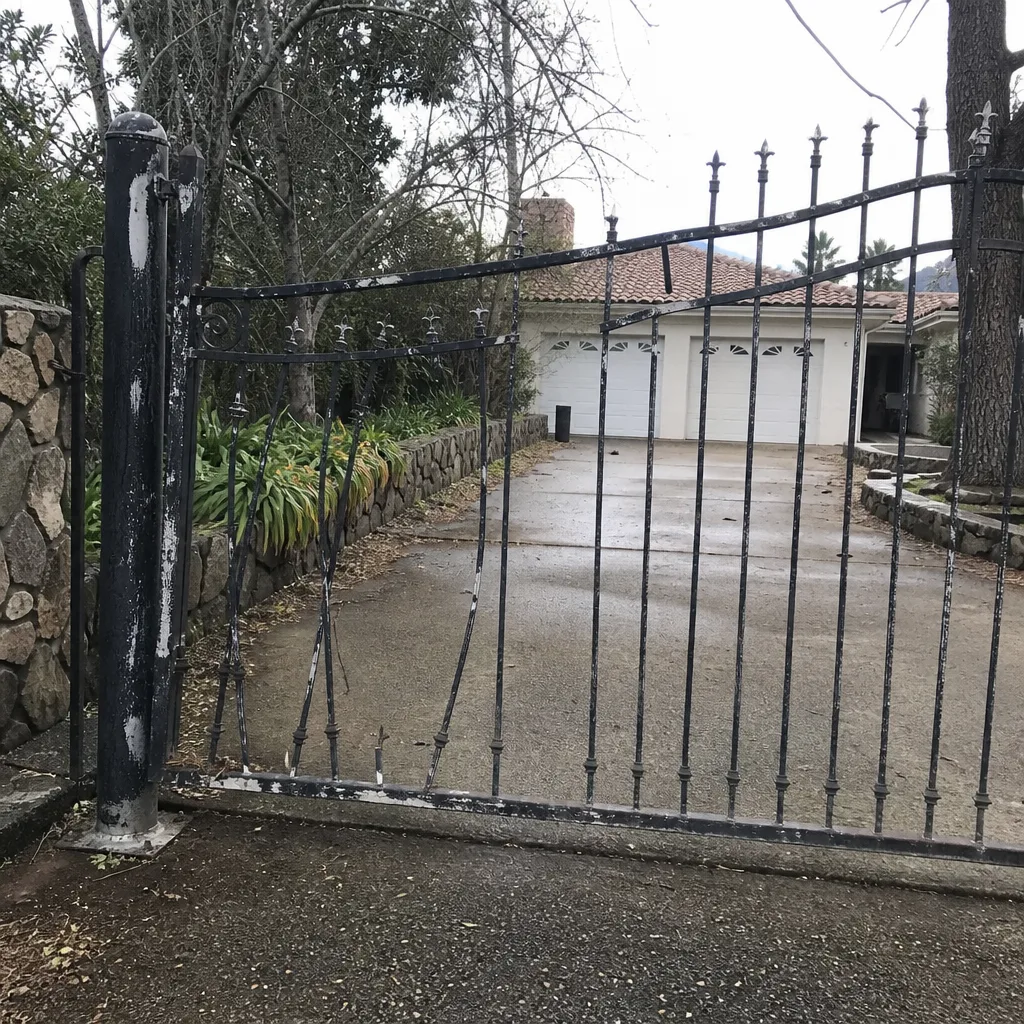 Before
 After
 Before
 After
When to Call a Professional
Call a gate specialist when the gate is stuck open or closed and you can’t move it manually, when the operator makes grinding or buzzing sounds, when the gate opens intermittently, or when you’ve noticed it slowing down over time. Call sooner rather than later if the gate is visibly sagging, scraping the ground, or if the safety devices aren’t responding to obstructions. Any of these signals means the system is degrading, and the repair bill grows with every week of delay. If your gate is on a Folsom property with heavy traffic or the gate is your only access point, the urgency is even higher. Gate Repair Folsom offers free estimates in Folsom. Call (833) 593-3926. We answer 24/7. Fast dispatch from 7am to 7pm, Sunday through Friday.
Frequently Asked Questions
Gate repair in Folsom typically ranges from $90 for a minor adjustment to $1,400 for a full operator replacement. The exact cost depends on the component that failed and whether it’s a simple repair or a system-level issue. Call (833) 593-3926 for a written estimate. Estimates are free.
Yes, most gate repairs in Folsom are completed the same day once the diagnosis confirms what’s wrong. Common parts for major brands like LiftMaster and DoorKing are usually available quickly, so the repair can happen on the same visit or with a quick follow-up. Call (833) 593-3926 and we’ll tell you what’s possible for your specific gate.
We work on LiftMaster, FAAC, BFT, Linear, Viking, Ghost Controls, DoorKing, Elite, and Mighty Mule systems. That covers most residential and commercial gates in the Folsom area. If you’re not sure what brand you have, the operator housing or the manual will usually identify it.
A gate that opens slowly and then stops is showing signs of torque overload. The motor is working against resistance it wasn’t designed for, which could mean post movement, a mechanical bind, or an undersized operator. Ignoring this symptom can burn out the operator within 60 to 90 days. Call (833) 593-3926 to have it diagnosed before the repair becomes more expensive.
Repair is the right call when a single component failed within an otherwise healthy system. Replacement or redesign is the right call when the operator was undersized for the gate, has already been replaced once, or the repair cost approaches replacement cost. A gate specialist can tell you which path makes sense for your specific gate and usage.
Most gate repairs don’t require a permit, but new gate installations and structural work can. Check with the City of Folsom’s building department for specific requirements on your project. A qualified gate contractor can also advise on what your project needs.
The Bottom Line
Most gate failures in Folsom come down to the same three causes: soil movement that throws the gate out of alignment, an operator that wasn’t right for the gate from the start, or maintenance that was put off until a small problem became a big one. The good news is that all three are manageable when they’re caught early. The bad news is that the warning signs are easy to miss. A gate that’s slow, noisy, or intermittent isn’t just mildly inconvenient. It’s actively wearing itself out, and the repair bill grows the longer it runs. If you’re in the Carmichael area or anywhere around Folsom, catching these problems early will save you money. Call (833) 593-3926 for a free estimate. We answer 24/7. Fast dispatch from 7am to 7pm, Sunday through Friday.
Written by the team at Gate Repair Folsom, serving Folsom since 2014.