
Last updated November 4, 2026
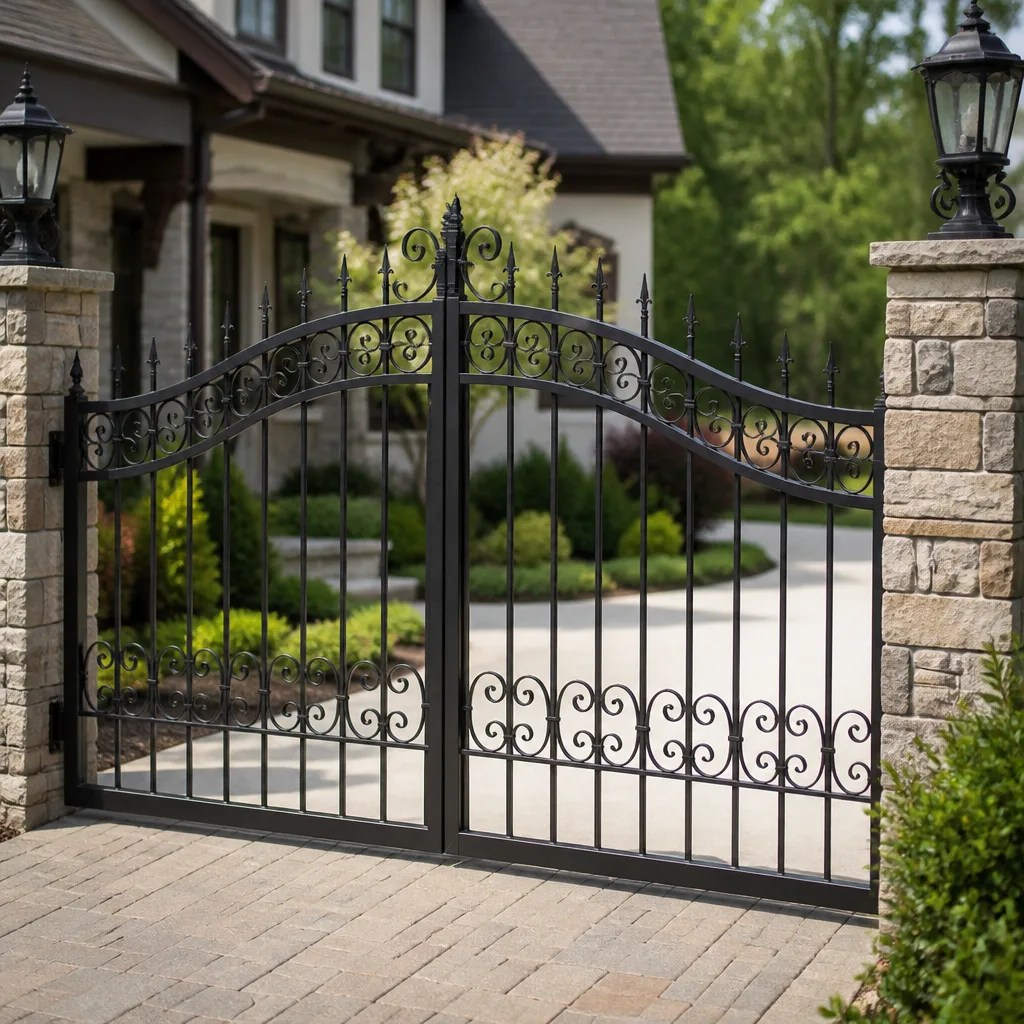 Wrought iron
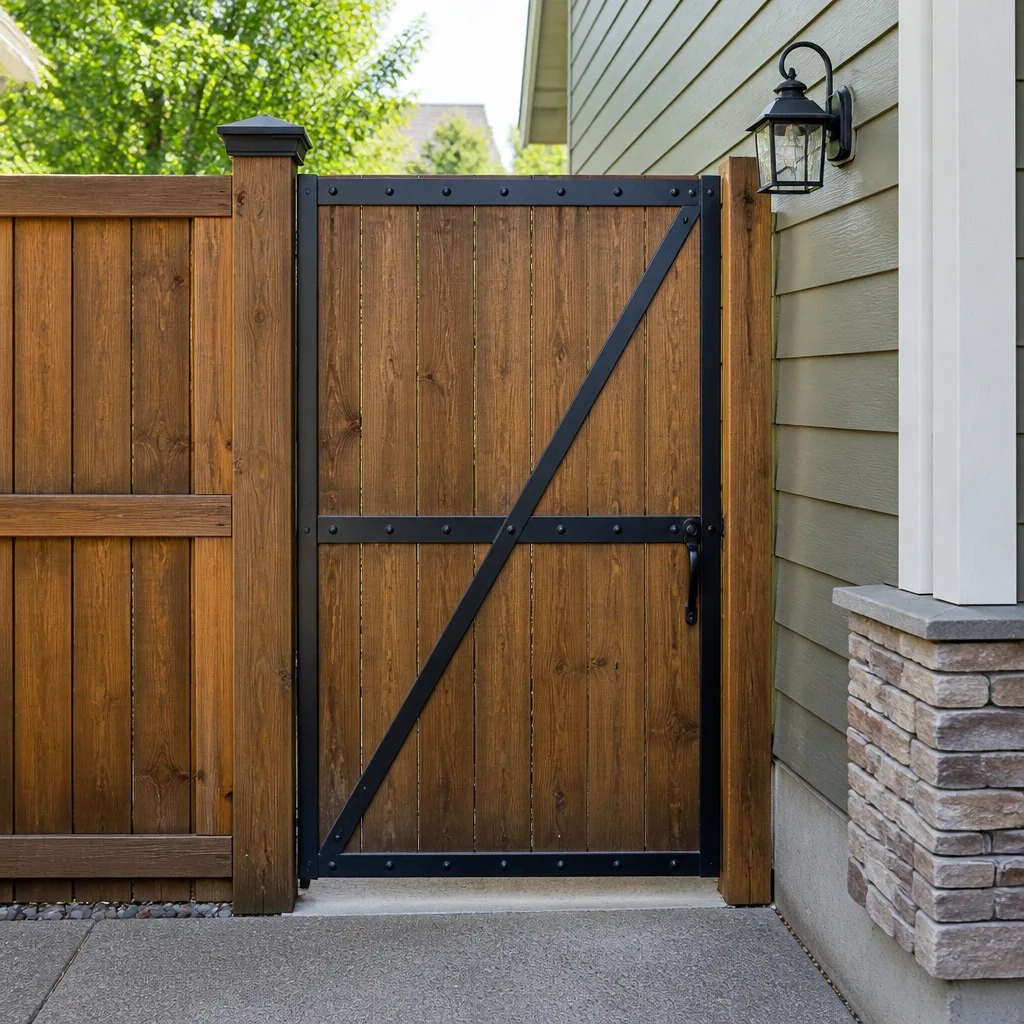 Wood & steel frame
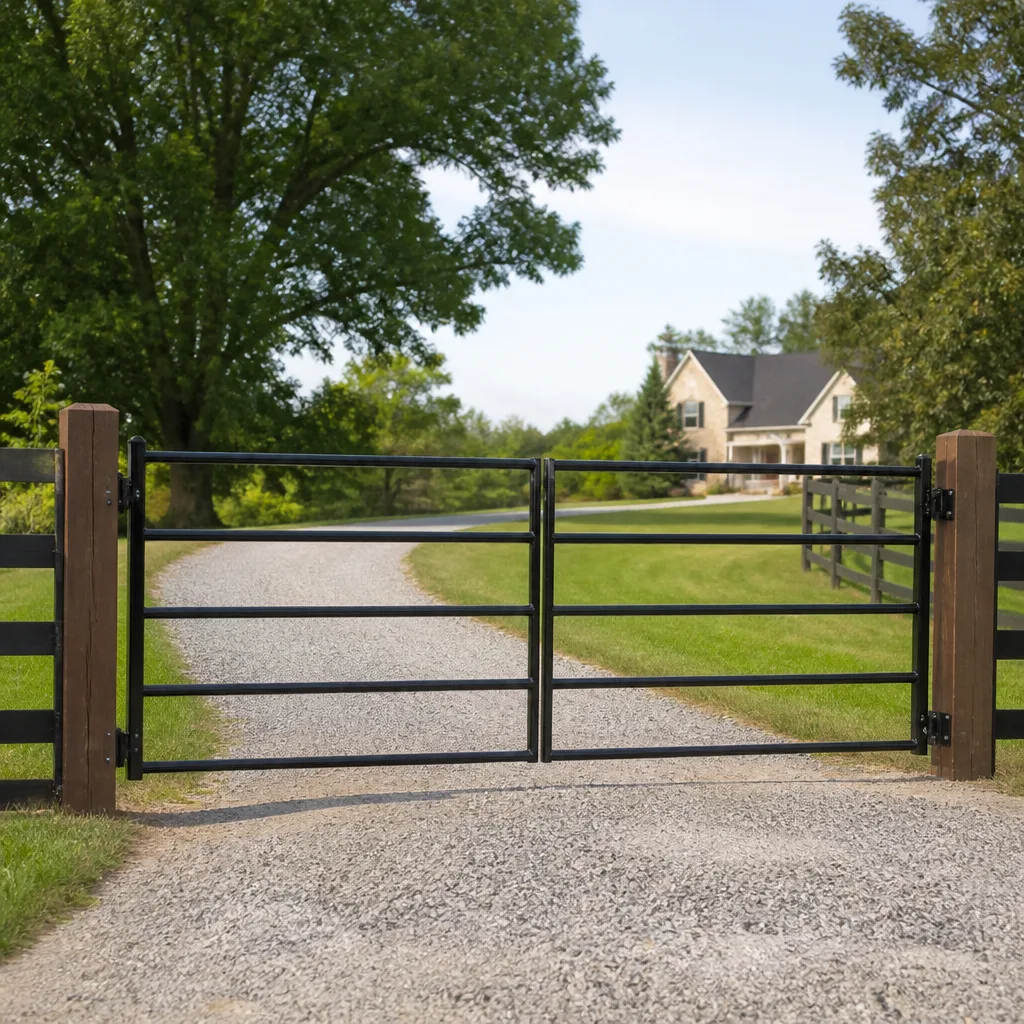 Farm & ranch
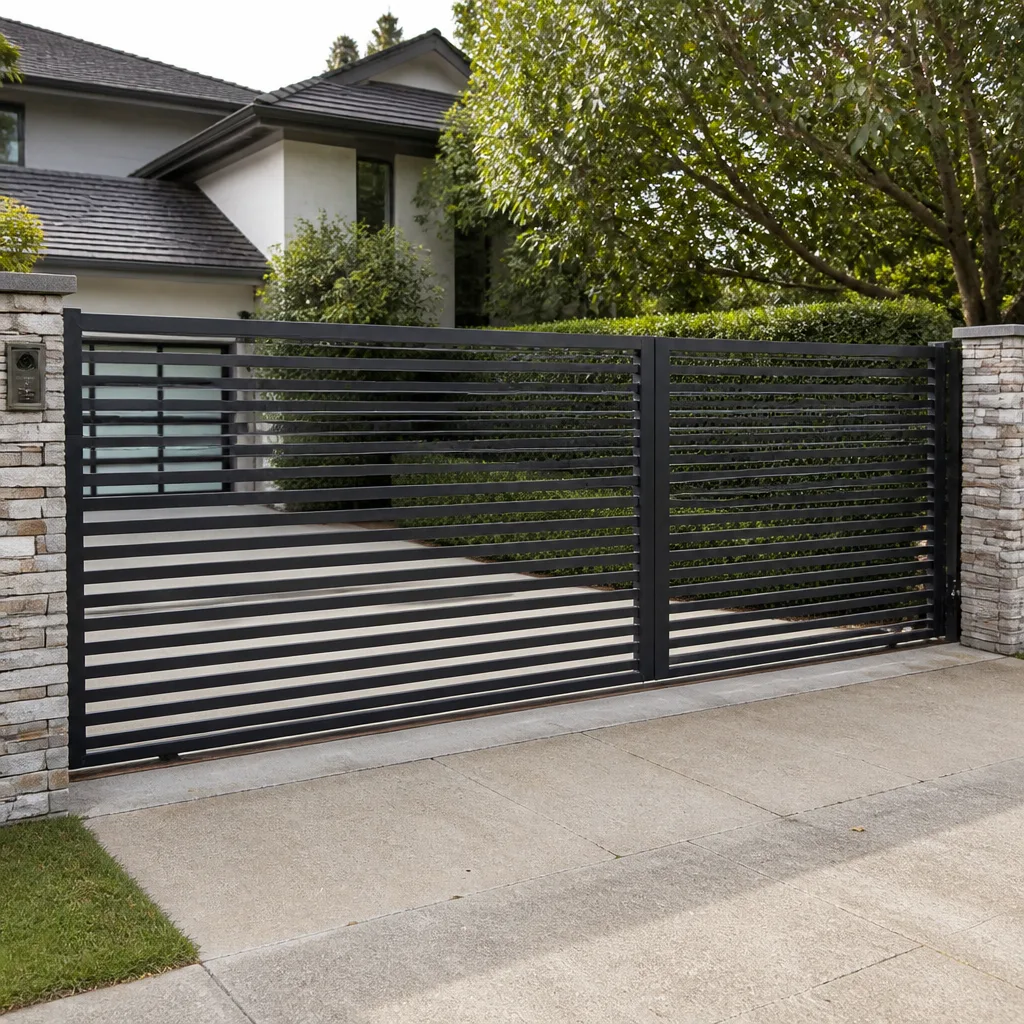 Sliding driveway gates
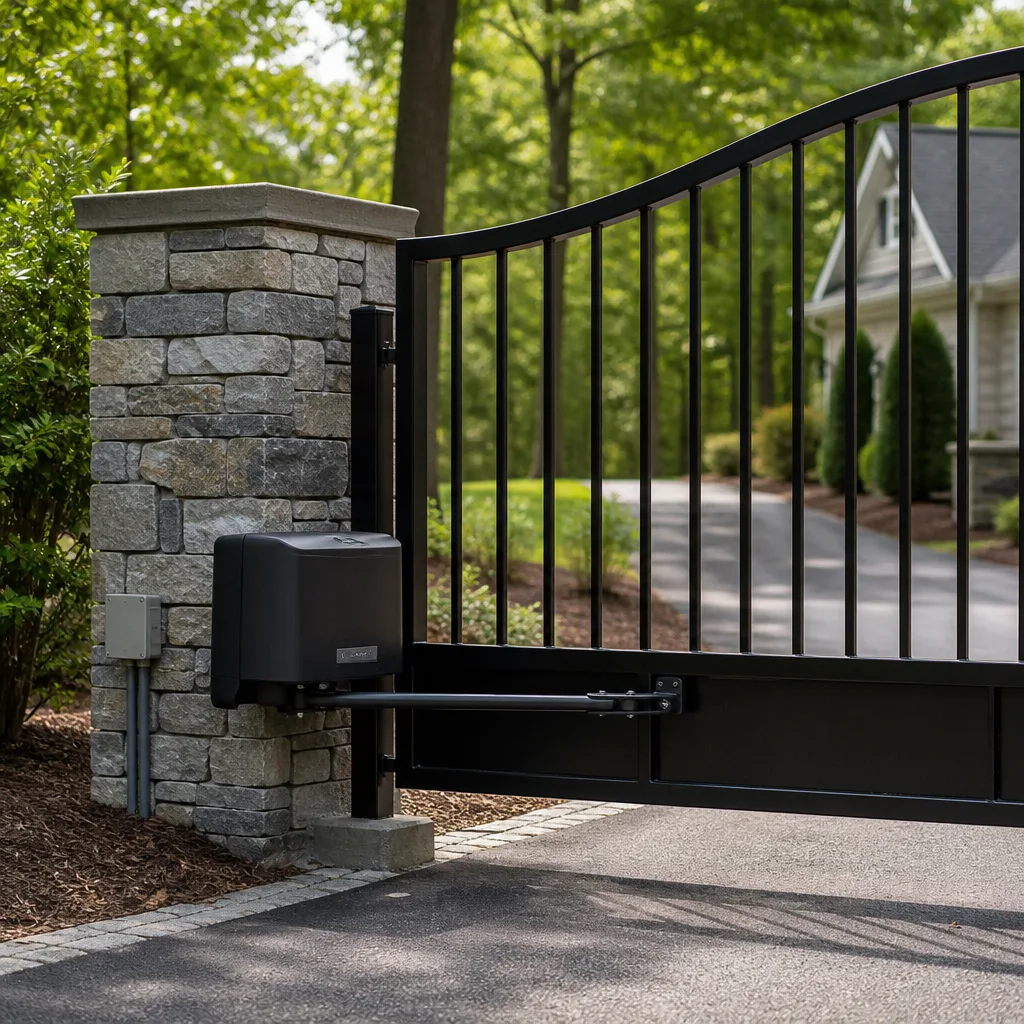 LiftMaster operators
Free on-site gate assessment - hinges, posts, and your LiftMaster or Nice gate operator checked before anything is quoted
The assessment is free and the quote is the invoice.
Get your free estimateGate Repair Troubleshooting in Folsom: Common Problems and How to Fix Them
Most gate failures aren’t random. A gate that reverses before closing, hums without moving, or opens on its own is almost always pointing at one specific fault category, not “something wrong with the gate.” The cost difference comes down to whether you misidentify that category and start replacing parts, or whether you read the symptoms the way a technician does. This guide walks through how we diagnose gates in Folsom, what you can safely check yourself, and what information will make your first service call productive instead of exploratory.
Quick Answer
Gate repair troubleshooting in Folsom comes down to identifying which of five fault categories you’re dealing with: power and control board, motor and drive, limit switches, safety sensors, or mechanical hardware. Most failures announce themselves through specific symptom patterns. Before calling anyone, note whether the gate is dead, reversing, drifting, or intermittent. Knowing your operator brand helps the phone call. Call (833) 593-3926 with your brand and symptoms, and we’ll tell you what’s likely going on before a technician ever arrives.
Styles & brands we work with
- Wrought iron
- Wood & steel frame
- Farm & ranch
- Sliding driveway gates
- LiftMaster operators
Table of Contents
- The Five Fault Categories Every Gate Failure Falls Into
- Reading Indicator Lights on Ghost Controls, DoorKing, Elite, and Mighty Mule
- Safe Tests You Can Run Yourself
- Diagnostics That Require a Technician
- Why Intermittent Failures Are Never Random
- What to Have Ready Before You Call a Gate Repair Company
- How Folsom’s Climate and Terrain Affect Gate Systems
- Common Mistakes to Avoid
- When to Call a Professional
- Frequently Asked Questions
The Five Fault Categories Every Gate Failure Falls Into
We’ve diagnosed gates across Folsom for years, and the pattern repeats. Whether it’s a residential Ghost Controls opener in a backyard or a DoorKing commercial slide system at a business park, the failure traces back to one of five places. Understanding these categories before touching anything prevents the single most common mistake: replacing a part that wasn’t broken.
1. Power and Control Board Failures
A gate that’s completely dead with no indicator lights, no hum, and no response from any input usually points here. The control board is the brain of the system. Power supply issues, a blown fuse, a tripped GFCI outlet, or a board that’s taken a voltage spike can all kill the gate instantly. In Folsom, we see control board issues after utility work, brownouts, or lightning activity in the valley. The key detail: if the gate is dead and you’ve confirmed the outlet has power, you’re not looking at a mechanical problem. It’s electrical.
2. Motor and Drive Failures
A gate that hums but doesn’t move, or moves sluggishly with a labored sound, usually indicates motor or drive issues. The motor is trying, but something in the drive train is resisting. This could be a failing capacitor, worn gears, a bound chain, or oil viscosity problems. On Mighty Mule and Ghost Controls residential openers, the motor is often integrated with the drive unit, so diagnosis means testing the motor under load. On Elite and DoorKing commercial operators, the drive may be chain, belt, or direct-drive. Each behaves differently when wearing out.
3. Limit Switch Failures
A gate that slams against its stop, reverses before reaching the closed position, or won’t fully open often has limit switch trouble. Limit switches tell the operator where to stop. When one fails, the gate either doesn’t know it’s reached the end of travel or stops too early. In our experience, limit switch failures get misdiagnosed as motor problems constantly. A homeowner hears the gate straining and assumes the motor is dying, when actually the limit switch simply isn’t telling the motor to stop.
4. Sensor and Safety Device Failures
This is the category behind the most common complaint: the gate starts closing then reverses. Photo eyes, edge sensors, loop detectors, and obstacle detection circuits all fall here. When a safety device sends a false “something is in the way” signal, the gate obeys and reverses. Dirt, spider webs, sun glare, misalignment, or a failing sensor can all trigger the reversal. The fix is often cleaning or realigning a sensor, not replacing the operator.
5. Mechanical Hardware Failures
Hinges, rollers, tracks, chains, and mounting hardware wear out over time. A sagging gate puts strain on the operator. A bent hinge causes binding. On slide gates in Folsom, we see track issues where gravel, dirt, or landscape debris accumulates. On swing gates, the hinges take the full weight of the gate every time it moves. A gate that’s visibly tilted, scraping the ground, or making grinding noises has a mechanical problem that will eventually damage the operator if left unaddressed.
Reading Indicator Lights on Ghost Controls, DoorKing, Elite, and Mighty Mule
Most modern gate operators have diagnostic indicator lights on the control board. Knowing how to read them on your specific brand means the difference between a two-minute phone diagnosis and a mystery. We work on nine major brands, and each has its own logic. Here’s the short version for what we see most often in Folsom.
Ghost Controls
Ghost Controls residential openers use a status LED with distinct blink patterns. A solid green usually means power and normal operation. A blinking red often indicates a sensor obstruction or a limit setting issue. A dead board with no LED typically means power isn’t reaching the control board. Before assuming the worse, check the GFCI outlet and any inline fuse. Ghost Controls openers are designed for homeowner use, so the board LEDs are straightforward once you know what each color and blink count means.
DoorKing
DoorKing operators are common on commercial and multi-tenant gates in Folsom. Their control boards have multiple diagnostic LEDs, each monitoring a different input: power, open command, close command, loop detectors, and reversing edges. A technician reads the board like a status screen. If the power LED is on but the operator doesn’t respond, the issue is on the input side. If multiple LEDs flash in an error pattern, the board is telling you exactly what it sees. We’re factory-familiar with DoorKing boards, which means we read the error codes on the first visit.
Elite
Elite gate operators appear on both residential and light commercial installations across the Folsom area. The SL and CSW series boards use diagnostic lights for each safety input and cycle function. A gate that reverses with no visible obstruction usually shows an active safety input on the board. Elite boards are robust, but loose wiring connections and dirty photo eyes account for more service calls than actual component failures. The indicator lights will show you where the fault is, assuming you know what each light represents.
Mighty Mule
Mighty Mule is the entry-level residential workhorse. Their control boards use a series of beeps and LED flashes to signal faults. A gate that won’t move and beeps in a specific pattern is telling you something precise: low battery, obstruction, or limit not set. The challenge for homeowners is that Mighty Mule manuals are dense. We read the fault codes quickly because we see these openers constantly. Most Mighty Mule issues in Folsom are battery-related, especially on solar installations that don’t get enough sun during shorter winter days.
Safe Tests You Can Run Yourself
Some diagnostics are safe for a homeowner to run. These don’t require opening the control box or touching live wiring. They tell you useful information, and they save time when you call us.
- Test the power source. Confirm the outlet or circuit supplying the operator has power. A tripped GFCI is a common fix that needs no technician. If the operator is on a dedicated circuit, check the breaker box.
- Perform a manual release test. Most operators have a manual release mechanism. Disconnect the operator and push the gate by hand. A gate that moves easily by hand points to an operator issue. A gate that’s heavy, binding, or dragging points to mechanical hardware.
- Run an obstacle test. If the gate reverses before closing, check the path for anything the sensors might detect: overgrown plants, debris, a misaligned reflector. Remove the obstacle and try again. If the gate still reverses, the sensor itself is suspect.
- Check the photo eyes. Photo eyes are the small sensors on either side of the gate’s path. Make sure they’re clean, aligned, and facing each other. A spider web across the lens can cause a false obstruction reading.
- Note the exact symptom. Write down what the gate does, not what you think is wrong. “It starts to close, moves six inches, then reverses” is far more useful than “it’s broken.”
These tests are safe because they don’t involve opening the operator itself. The control board, motor, and drive components carry live voltage and are not homeowner work zones. If these tests don’t isolate the issue, it’s a technician job.
Diagnostics That Require a Technician
Some problems can’t be safely diagnosed from outside the unit. These are the ones where calling a professional from the start is the smart move, not the expensive one.
Control Board Testing
The control board is the first thing we test when a gate is completely dead. This means checking incoming voltage, testing transformer output, reading error codes, and potentially bench-testing the board. A homeowner should never open the control box. The board carries live power even when the gate isn’t moving. We test boards across all the brands we service, and we know which failures are repairable and which are replacement territory.
Motor Load Testing
A technician tests the motor under actual load, measuring amp draw against manufacturer specifications. A motor drawing too many amps is wearing out or fighting a mechanical bind. A motor drawing no amps with a live board is an electrical failure in the motor circuit. This kind of testing requires a multimeter and knowledge of what the readings mean for each brand.
Force Adjustment and Reversal Testing
Every automatic gate operator has adjustable force settings and a reversing mechanism. Setting the force too high defeats the safety system. Setting it too low causes nuisance reversals. We adjust force according to manufacturer specs for the gate’s weight and travel, then run reversal tests to confirm the gate stops and reverses under resistance. This is safety-critical work.
Loop Detector Testing
Loop detectors are the buried wire loops that sense vehicle presence and hold the gate open. When a loop fails, the gate may close on a car, or refuse to open for an entering vehicle. Testing loops requires specialized equipment and knowledge of the detector wiring. We see loop failures on commercial properties in Folsom more often than homeowners expect, especially after landscape work cuts a wire or soil shifts break a loop.
Our electric gate repair work covers all of these diagnostics, and the testing happens before any repair quote so you know exactly what you’re paying for.
Why Intermittent Failures Are Never Random
A gate that works fine most of the time but fails occasionally is the most frustrating kind. It’s also the most diagnosable. Intermittent failures follow patterns, and those patterns point to specific causes. In Folsom, we see the same few culprits repeatedly.
Temperature Changes
Folsom summers are hot. Valley heat affects electronics in predictable ways. An operator that works in the morning but fails in the afternoon heat often has a thermal issue: a control board component failing at temperature, a motor overheating, or a capacitor degrading. The fix isn’t to wait for cooler weather. Heat-related failures get worse, and eventually the component fails permanently.
Moisture and Condensation
Winter mornings in Folsom bring condensation, and condensation inside a control box creates intermittent shorts. An operator that fails only on damp mornings and works fine by midday almost always has moisture ingress. Sealing the enclosure and addressing any corrosion is the fix. Left alone, moisture kills control boards permanently.
Vibration and Loose Connections
Every gate creates vibration. Over months and years, terminal screws loosen, wires rub against enclosures, and connections degrade. A gate that works until something bumps it, then dies, often has a loose connection at the board or the power supply. We find loose wires on all brands, from residential Mighty Mule installs to commercial DoorKing units.
Wear Patterns
Intermittent binding on a swing gate often tracks back to hinge wear that only binds at a specific point in the travel arc. Intermittent track stalling on a slide gate often means a flat spot on a roller or debris that accumulates in a particular spot. These are mechanical issues that present as electrical symptoms because the operator stalls and the homeowner assumes the motor is failing.
The point is this: an intermittent gate is not a haunted gate. It’s a gate with a specific cause that hasn’t been identified yet. A technician who knows what to look for will find it faster than a generic repair person who starts swapping parts.
What to Have Ready Before You Call a Gate Repair Company
The worst first visit is a discovery mission. You pay for the hour, the technician learns what you could have told them over the phone, and now they need a second visit with parts. Here’s what speeds up the diagnosis and often means the difference between a one-visit fix and a two-visit saga.
- Your operator brand and model. We service nine brands, and knowing which one you have is the single most useful piece of information. The brand tells us what failure modes are likely and what parts are common. Ghost Controls and Mighty Mule fail differently than DoorKing and Elite.
- The exact symptom. Write it down: “Gate reverses after moving eight inches” or “Gate hums but doesn’t move” or “Gate opens on its own at random times.” Specific beats general every time.
- What you’ve already checked. If you’ve tested the outlet, run the manual release, or cleaned the photo eyes, tell us. It eliminates steps and shows where the problem isn’t.
- When it happens. Morning only? After heavy use? After rain? The timing is a diagnostic clue.
- The gate’s age and history. When was it installed? Has it had repairs before? Was there recent landscape work, utility work, or a power event? Context helps.
When you call Gate Repair Folsom with your brand and symptom, we can often tell you the likely fault category before scheduling the visit. That means the technician arrives expecting a specific problem, carrying the right parts, and the job gets done faster.
How Folsom’s Climate and Terrain Affect Gate Systems
Folsom’s environment shapes how gates wear and fail. The valley heat is the biggest factor. Summer temperatures exceed 100 degrees regularly, and electronics in enclosed operator boxes absorb that heat for hours. We replace more failing capacitors and heat-stressed control boards in July and August than any other time of year. A residential operator mounted on a metal post in full afternoon sun runs hot, and heat shortens component life.
Dust is another Folsom reality. The dry season brings dust that finds its way into chain drives, roller tracks, and photo eye lenses. Dust on a photo eye causes false obstruction readings. Dust in a track causes binding. Dust isn’t a dramatic failure mode, but it’s a constant maintenance variable we account for on every service call in the area.
Folsom also has a mix of property types that changes what we see. Residential neighborhoods with acreage use swing gates and long driveways, often running Ghost Controls or Mighty Mule systems. Commercial properties, business parks, and multi-tenant communities lean toward DoorKing, Elite, and FAAC or BFT operators with loop detectors and more complex access control. The terrain means some gates sit on slopes, which changes how the operator handles load and how hinges wear.
We’ve served Carmichael and the surrounding Sacramento-area communities long enough to know that the issues change neighborhood to neighborhood, but the failure categories don’t. The diagnosis method stays the same.
Common Mistakes to Avoid
- Replacing the operator because the gate won’t move. A dead gate is often a power issue, a blown fuse, or a failed limit switch, not a dead motor. Replacing the operator without diagnosing the actual fault means spending thousands to fix a $200 problem. We see this mistake on residential properties where the previous repair was done by a generalist.
- Adjusting force settings without testing. Cranking up the force setting so the gate powers through a bind masks the mechanical problem and creates a safety hazard. Automatic gates must reverse when they encounter resistance, and over-force settings defeat that. We test force settings on every repair visit.
- Ignoring a gate that’s slowed down over months. A gate that gradually slows is wearing somewhere: hinges, rollers, motor, or drive. Waiting until it stops completely usually means the worn component has damaged what it was connected to. A binding hinge eventually destroys the operator.
- Cleaning photo eyes with glass cleaner and assuming the problem is fixed. A sensor that’s clean but misaligned or failing will still cause reversals. We test sensors with the operator active, not just visually.
- Not checking the GFCI outlet. We’ve arrived at more dead gates than we can count where the only problem was a tripped GFCI. It’s the first thing we ask about on the phone. Check it before you call.
- Running the gate manually and forgetting to re-engage the operator. If you’ve used the manual release, make sure the operator is properly re-engaged before using the automatic function. A partially engaged operator damages the drive system.
- Calling a general contractor who “does gates too.” Gate systems are specialized. The nine brands we service each have different boards, different failure modes, and different parts. A generalist without brand-specific experience spends your billable hour learning what a specialist already knows.
When to Call a Professional
Any symptom involving the control board, motor, wiring, or safety system is a professional repair. These components carry live voltage, and the safety reversal system on an automatic gate is not a DIY adjustment. A gate that slams, won’t stop, or reverses inconsistently is a safety problem, not just a mechanical one. If you’ve run the safe tests above and the gate still misbehaves, stop there. Gate repair on an electric system requires a trained hand. Gate Repair Folsom offers free estimates in Folsom. Call (833) 593-3926 with your brand, symptom, and what you’ve checked, and we’ll take it from there.
Frequently Asked Questions
Gate repair in Folsom is priced per job after we diagnose the specific fault, and the written estimate sets the final price before any work begins. A sensor adjustment or photo eye cleaning is a minor repair, while a control board replacement or motor rebuild costs more. No two failures are the same, which is why we never quote a price over the phone without seeing the gate. Call (833) 593-3926 for a free estimate.
Yes. For electric gate repair and mechanical failures, we offer same-day service when a technician is available. Call (833) 593-3926. We answer 24/7. Fast dispatch from 7am to 7pm, Sunday through Friday.
We service Ghost Controls, Mighty Mule, DoorKing, Elite, LiftMaster, FAAC, BFT, Linear, and Viking. Whether your system is a residential Mighty Mule or a commercial DoorKing, we read the brand’s diagnostic logic and carry the parts. If your brand is on that list, we know it.
An automatic gate that reverses while closing is receiving a false obstruction signal from a safety device. The usual causes are dirty or misaligned photo eyes, a failing edge sensor, or debris in the gate’s path. Clean the photo eye lenses and check for anything in the path. If the reversal continues, the sensor itself needs testing. Call (833) 593-3926 and we’ll diagnose it.
Check the breaker and the GFCI outlet supplying power to the operator. A tripped GFCI is the most common cause of a completely dead gate. If the outlet has power and the operator is still dead, you’re likely looking at a control board or power supply failure, and that’s a technician job. Call (833) 593-3926 and describe what you found.
Yes. We handle repair and installation under one roof. If a diagnosis shows the operator is beyond cost-effective repair, we can quote a replacement with a system matched to your gate’s weight, usage, and site conditions. You don’t have to find a second company.
The Bottom Line
Gate troubleshooting in Folsom works when you think in fault categories, not vague symptoms. Power and control board, motor and drive, limit switches, safety sensors, and mechanical hardware: every failure falls into one of these five. Knowing your operator brand speeds up the diagnosis. Running the safe home tests gives you real information. And calling a gate-only specialist with the right brand experience means a faster, cleaner fix than a generalist can offer. If your gate is misbehaving, call (833) 593-3926. We answer 24/7. Fast dispatch from 7am to 7pm, Sunday through Friday. The estimate is free, and the price is set before work starts.
Written by the team at Gate Repair Folsom, serving Folsom since 2014.
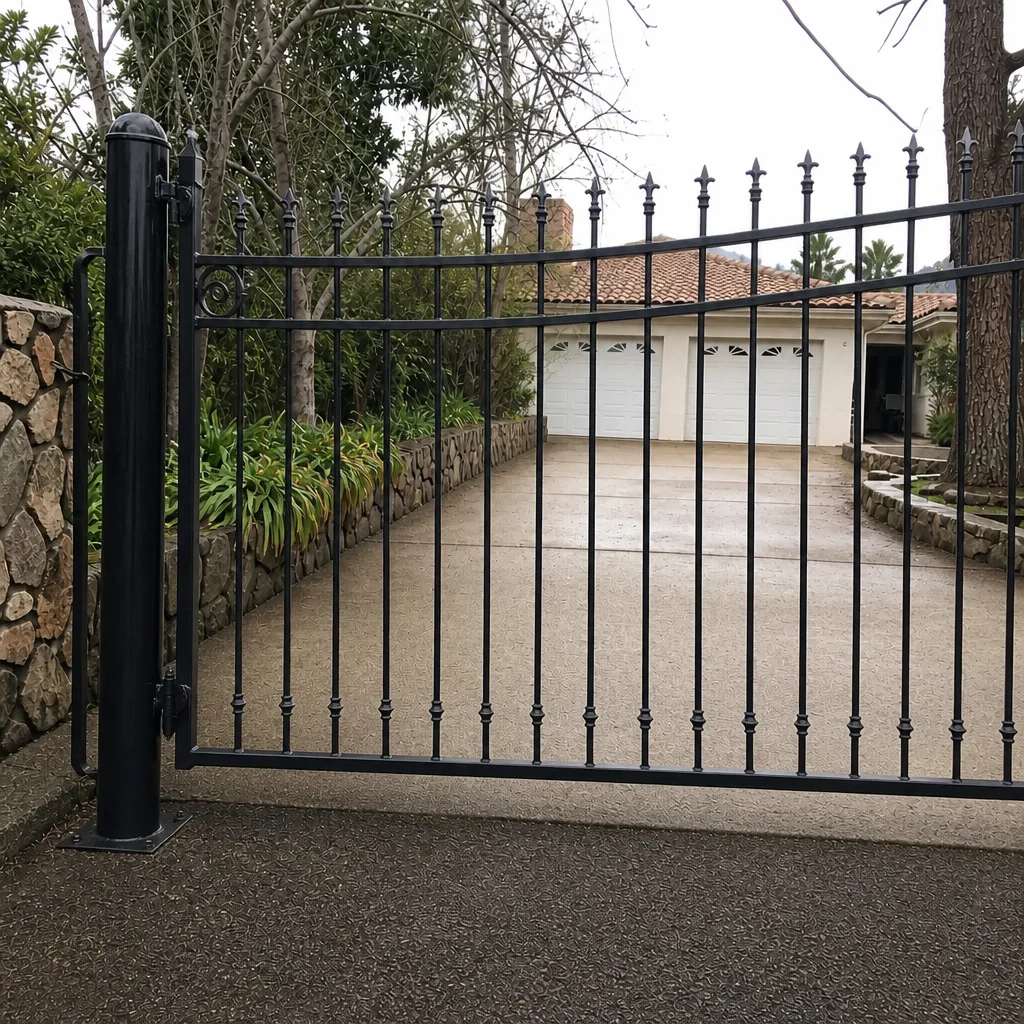
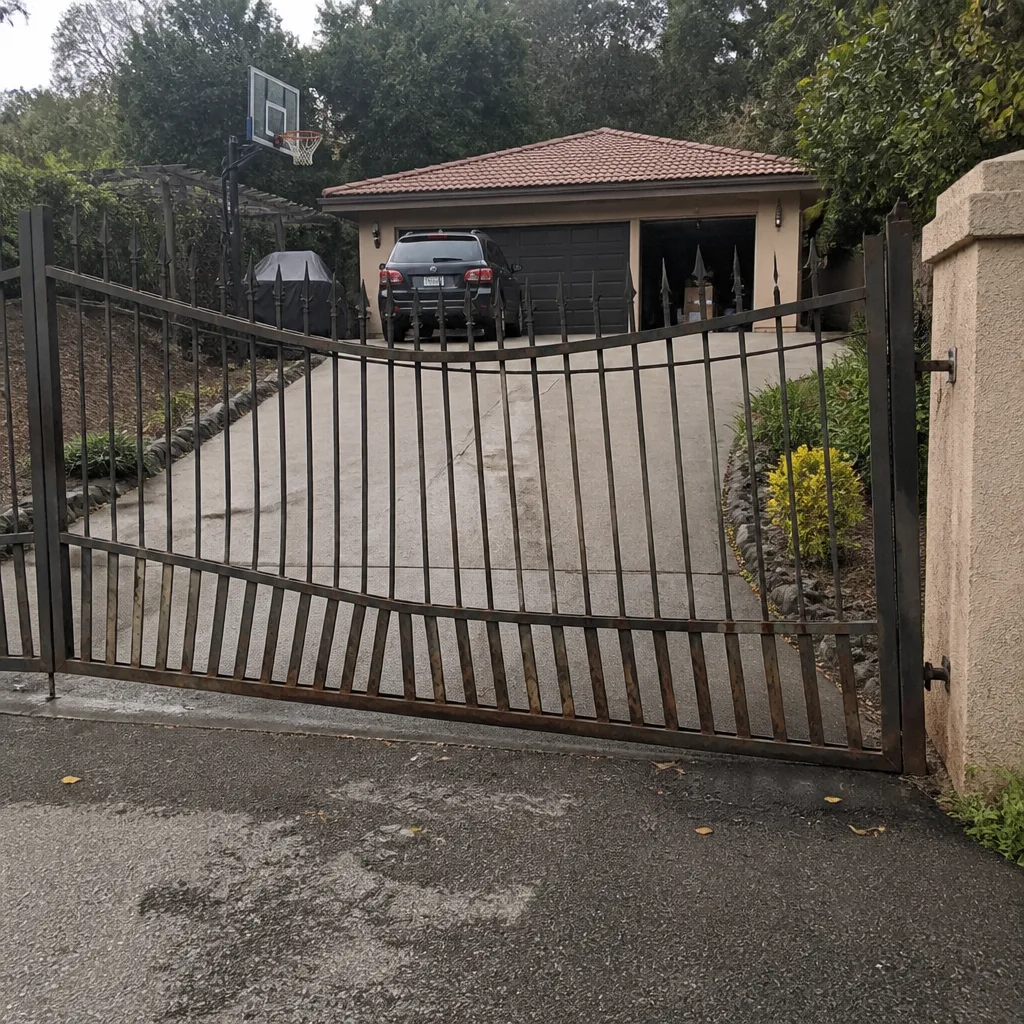
See the difference
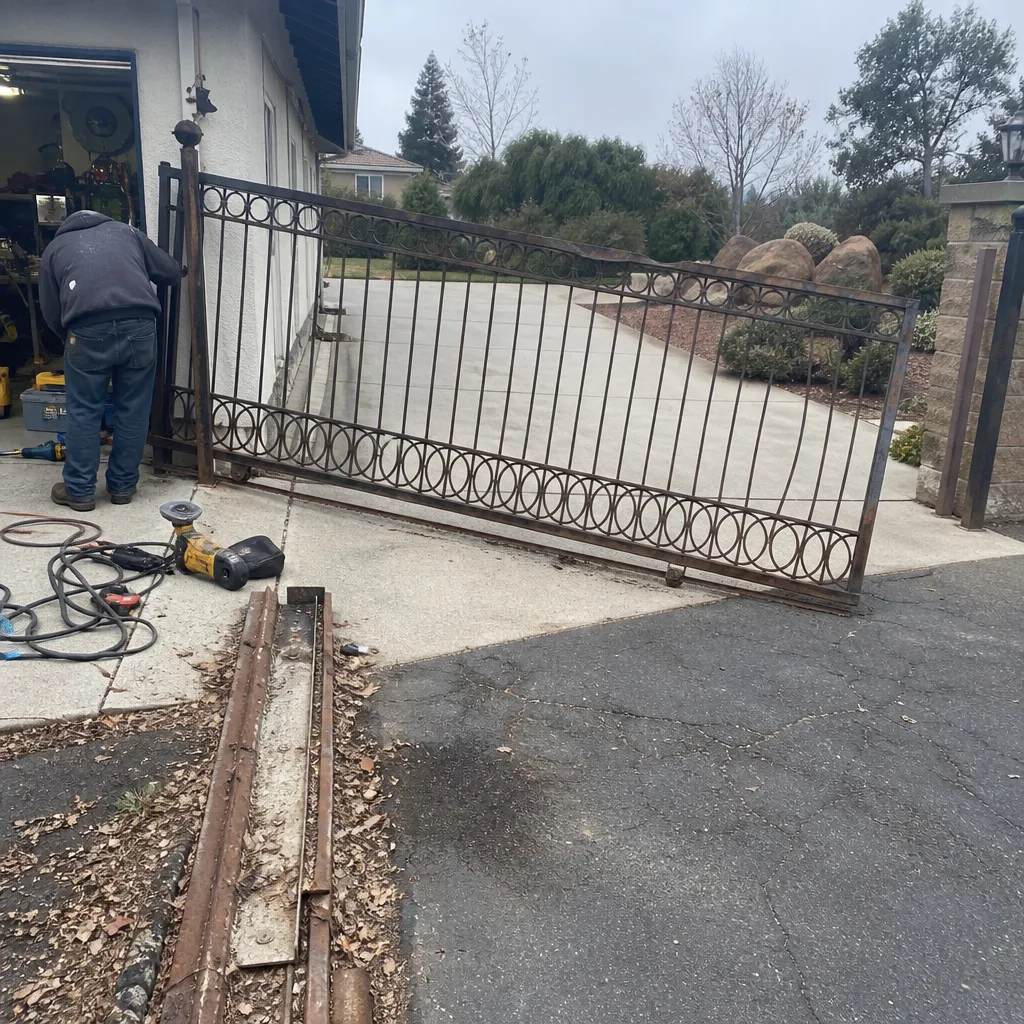 Before
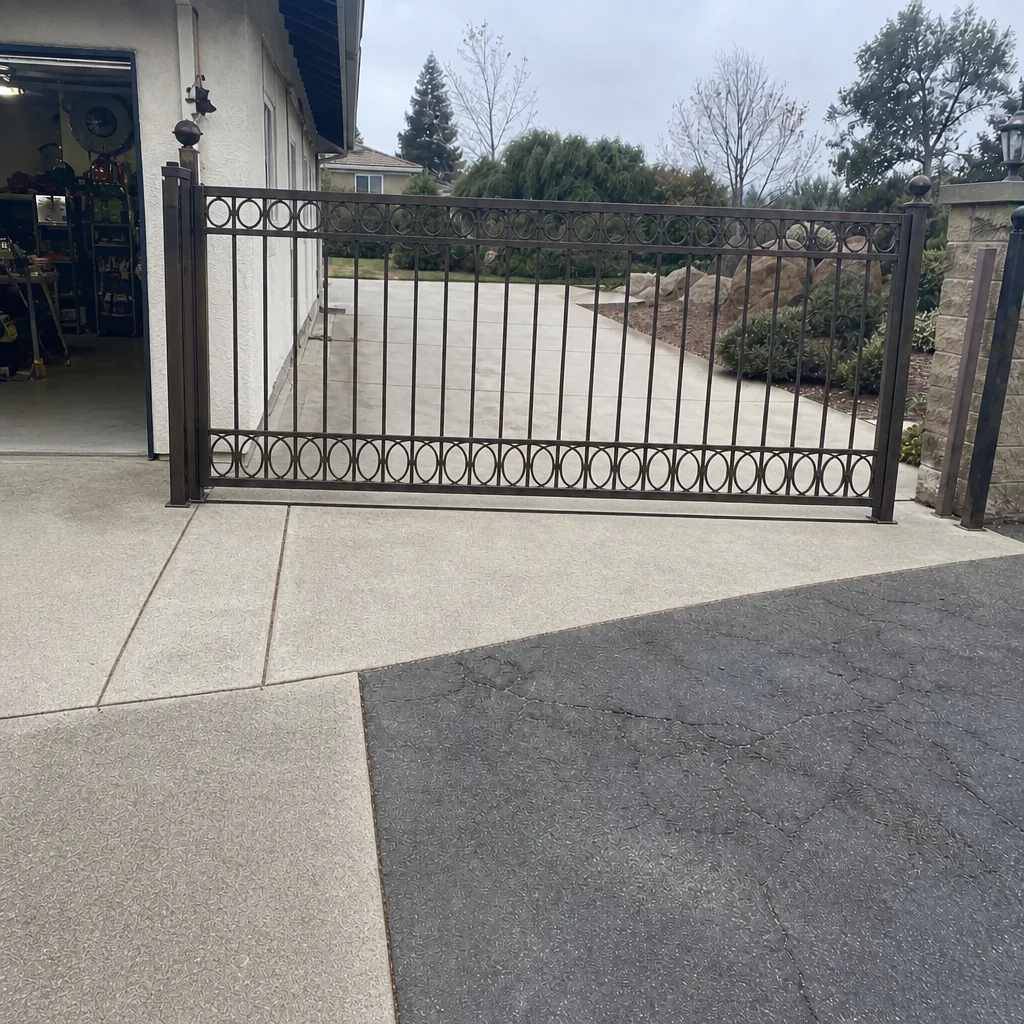 After
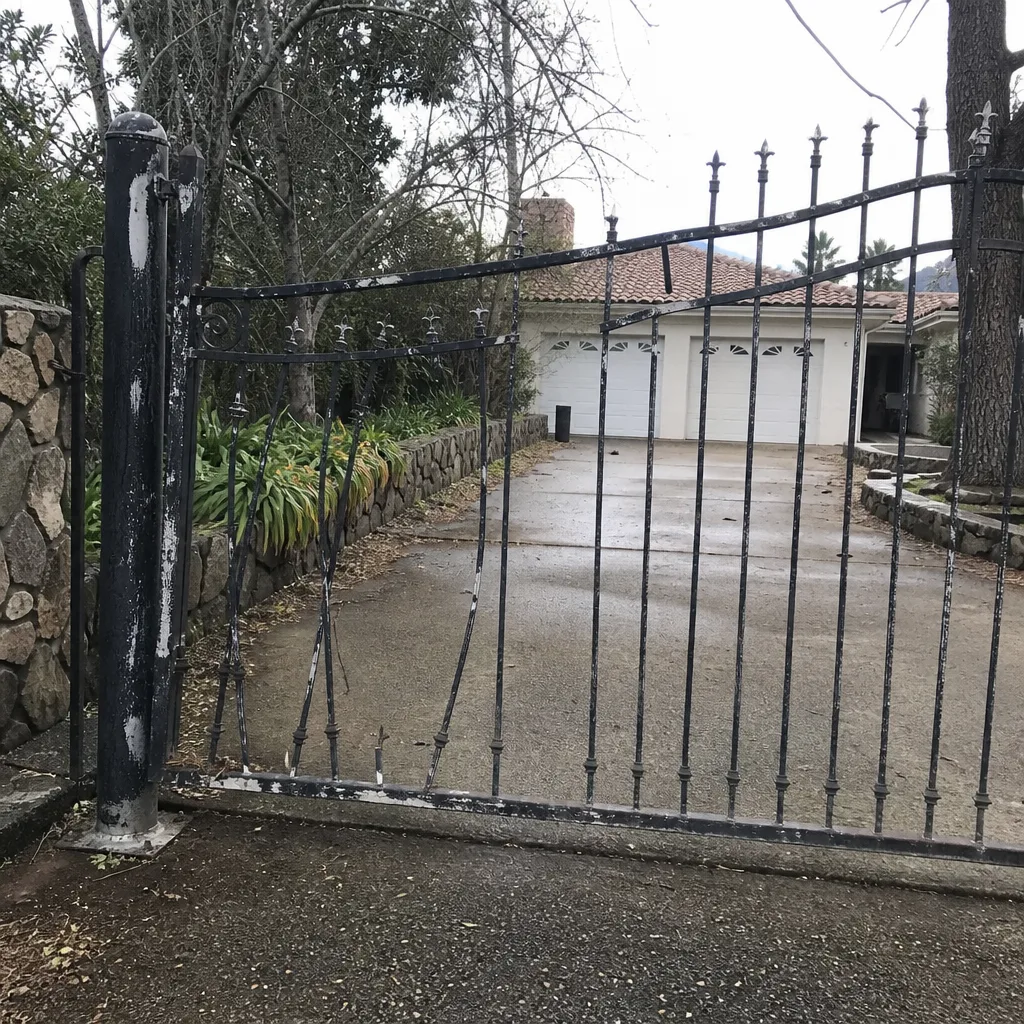 Before
 After
 Before
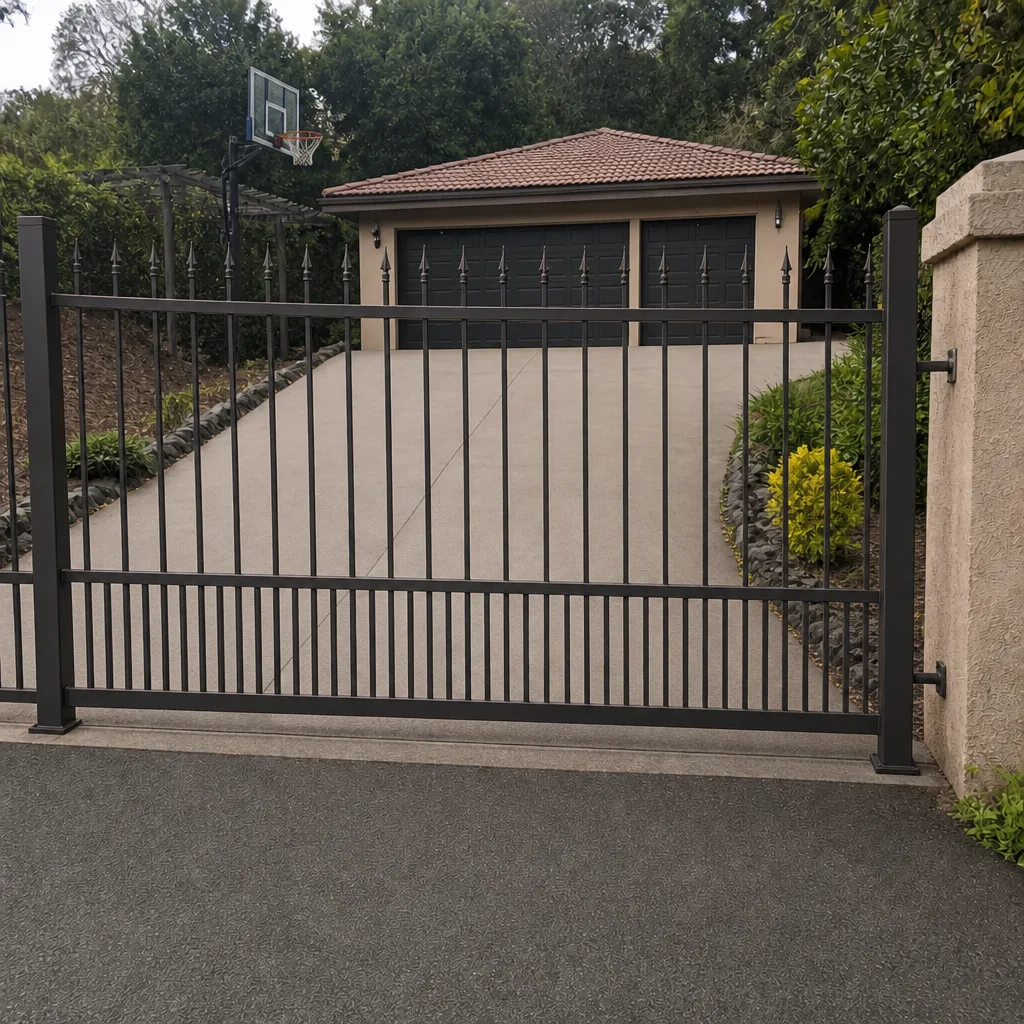 After