
Last updated November 4, 2026
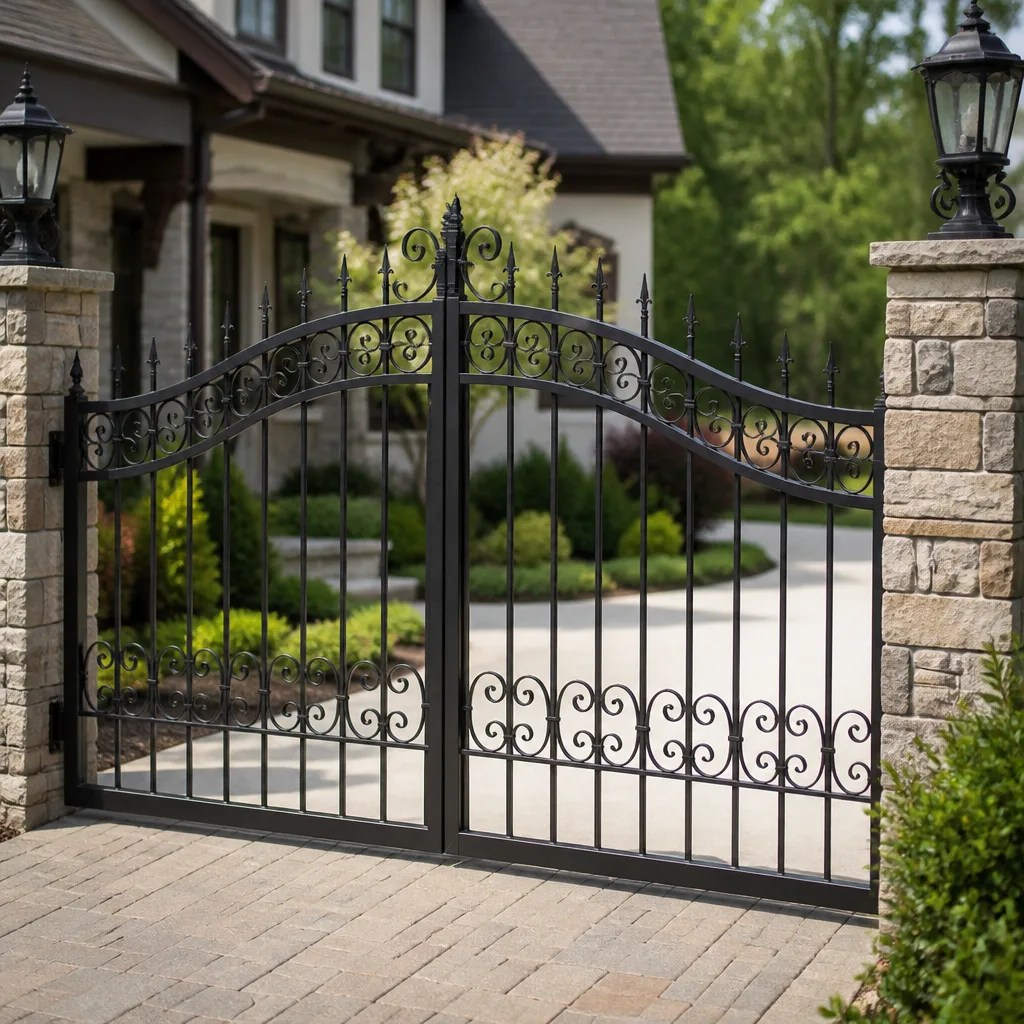 Wrought iron
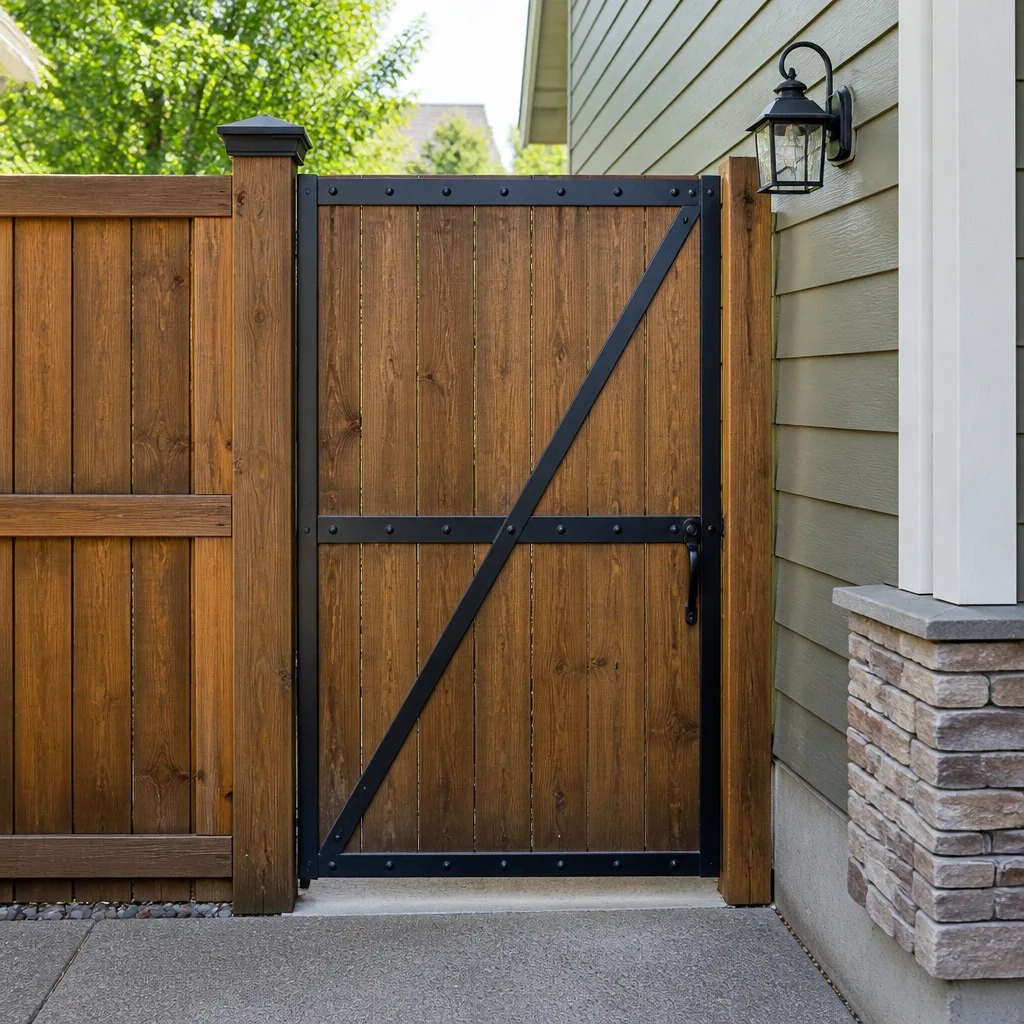 Wood & steel frame
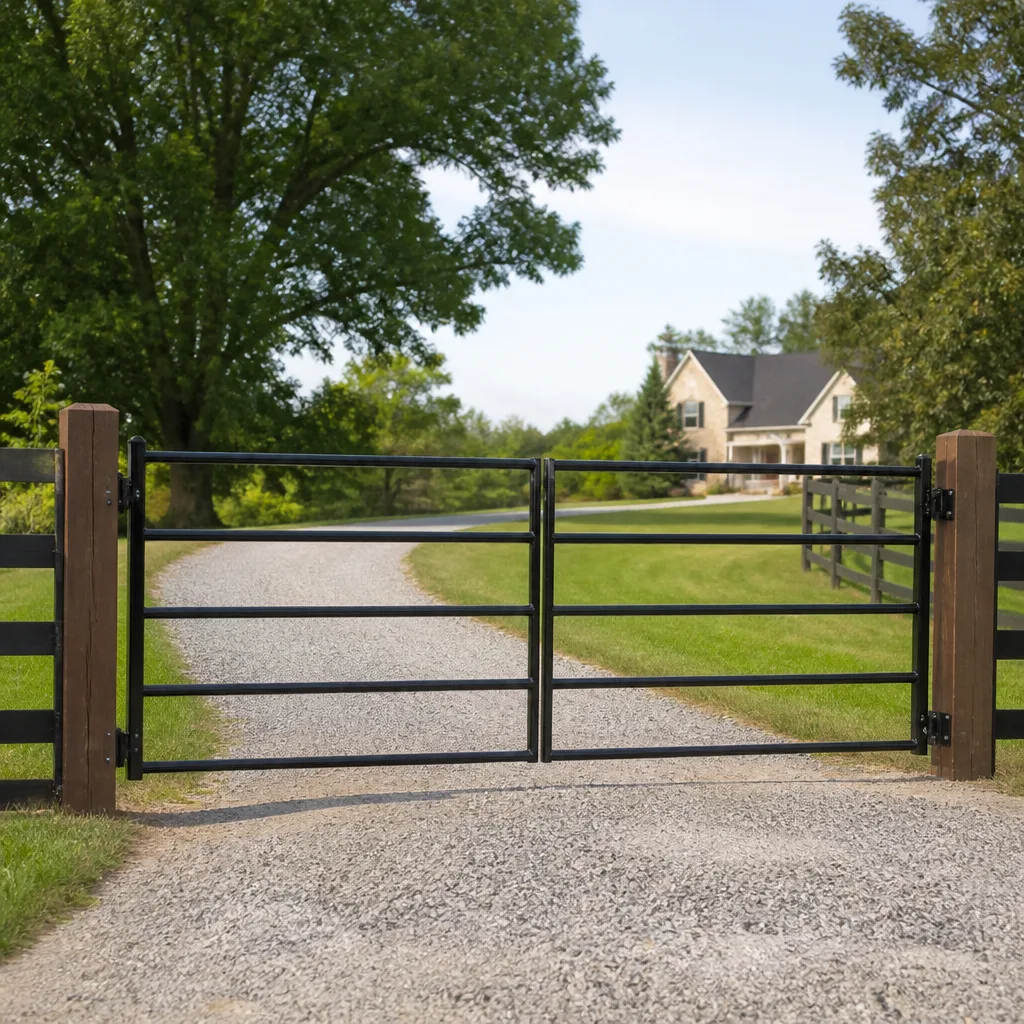 Farm & ranch
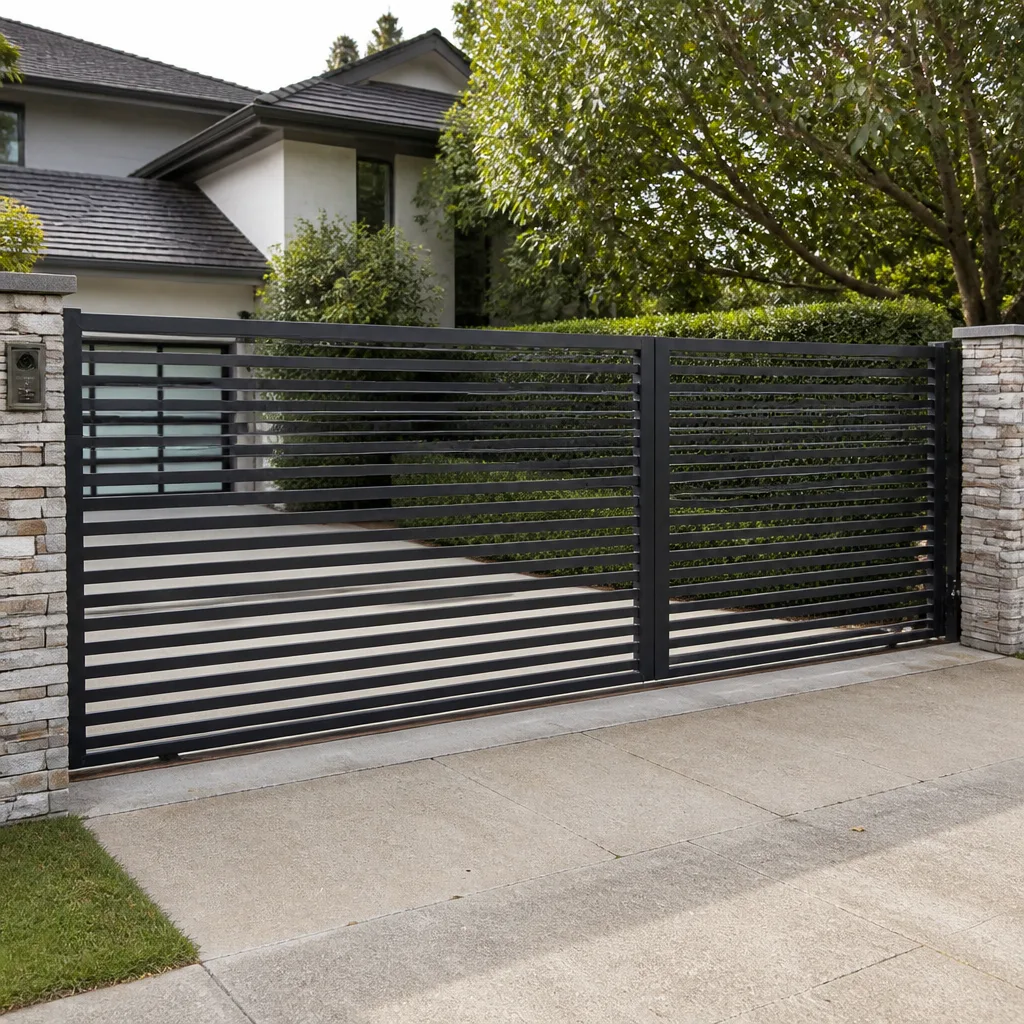 Sliding driveway gates
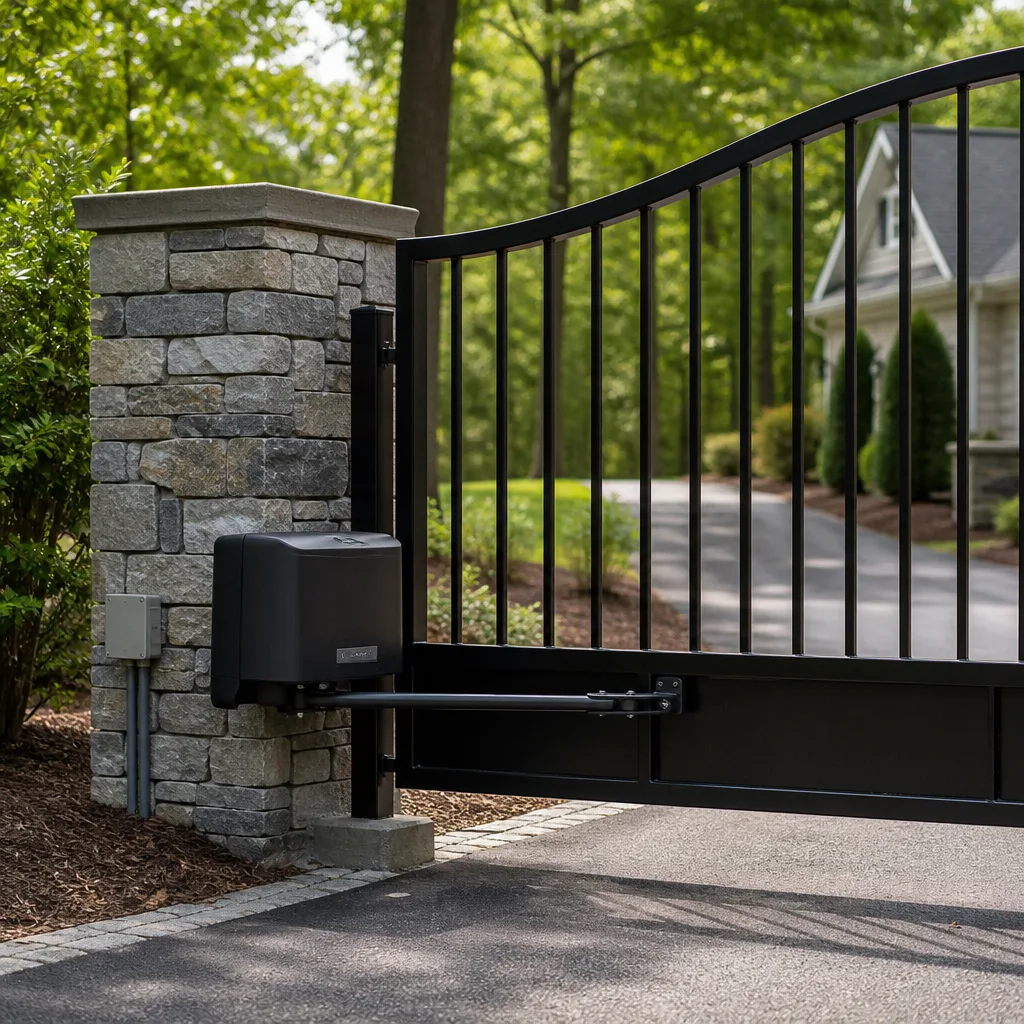 LiftMaster operators
Free on-site gate assessment - hinges, posts, and your LiftMaster or Nice gate operator checked before anything is quoted
The assessment is free and the quote is the invoice.
Get your free estimateHow to Hire a Gate Repair Contractor in Folsom: A Step-by-Step Guide
There is no “gate repair license” in California. Any contractor holding a C-10 electrical or B general contractor license can legally accept money to work on your automatic gate, whether they’ve ever diagnosed a FAAC control board or not. That single fact explains why Folsom homeowners and property managers end up with wildly different outcomes from two companies that looked identical on paper. This guide walks through the questions that separate a dedicated gate specialist from a generalist who is learning on your opener. You’ll learn what to ask before scheduling, which answers reveal real experience, and how to read a quote for what it actually says about the technician’s diagnostic approach.
Styles & brands we work with
- Wrought iron
- Wood & steel frame
- Farm & ranch
- Sliding driveway gates
- LiftMaster operators
Quick Answer
Hire a gate repair contractor in Folsom by first confirming they work on your specific gate and operator brand, then asking three pointed questions: how they diagnose intermittent faults, what UL 325 entrapment protection means for your system, and whether their quote includes diagnostic labor before any part replacement. The contractor should carry general liability insurance that covers operator installation, not just basic property damage. A specialist who names your brand without prompting, explains the safety logic of your system, and quotes repair after diagnosis is the contractor you want. Gate Repair Folsom offers free estimates and works on nine brands including LiftMaster, FAAC, BFT, Linear, Viking, Ghost Controls, DoorKing, Elite, and Mighty Mule.
Table of Contents
- Step 1: Verify They Actually Work on Your Brand
- Step 2: Ask About UL 325 and Entrapment Protection
- Step 3: Verify Insurance Specific to Gate Work
- Step 4: Read the Quote for Diagnostic Discipline
- Step 5: Ask Questions That Reveal Experience Level
- What Makes Folsom Gate Repair Different
- Residential vs. Commercial: Choosing the Right Contractor
- Common Mistakes to Avoid
- When to Call a Professional
- Frequently Asked Questions
- The Bottom Line
Step 1: Verify They Actually Work on Your Brand
Gate operators are not interchangeable. A LiftMaster swing arm resolves faults differently than a BFT hydraulic. A Ghost Controls residential opener shares almost nothing with a DoorKing commercial slide. When a contractor tells you “we work on all brands,” what they often mean is they will figure it out on site at your hourly rate. That is the most expensive kind of education.
In Folsom, the installed base runs the full spectrum. Older Folsom neighborhoods have Mighty Mule and Ghost Controls units on single-family driveway gates. Newer subdivisions and gated communities lean toward LiftMaster and Elite. Commercial properties and apartment complexes around the auto malls and business parks typically run FAAC, BFT, or DoorKing systems that cycle hundreds of times daily. A contractor who has never opened a Viking control cabinet should not be the one diagnosing yours.
Here is the test that works. When you call, say: “I have a [brand] gate that is [symptom].” A specialist responds with something that sounds like they have met this gate before. They might mention the common fault codes for that specific control board, ask whether the symptom appears after heavy rain, or note that your particular operator has a known wear point on the limit switch assembly. A generalist responds with scheduling availability. Both responses are polite. Only one tells you they can actually fix the gate.
We work on all nine brands listed above, and the difference shows in the first five minutes on site. The diagnostic path for a DoorKing 9150 slide gate fault does not resemble the path for a Linear actuator swing, and knowing which path you are on before you open the cabinet means a faster repair and a smaller invoice. When a technician has factory familiarity with your specific brand, they carry the right fault code references, the right testing procedure, and often the right part on the truck. That is what “we know your brand” is supposed to mean.
Step 2: Ask About UL 325 and Entrapment Protection
UL 325 is the safety standard that governs automatic gate operators in the United States. It defines entrapment protection requirements: what sensors a gate must have, where they must be mounted, and what happens when something interrupts the gate’s path. Every automated gate system installed after the standard took effect must comply. A contractor who cannot explain what UL 325 requires for your specific gate configuration has no business servicing it, because every repair they make affects how the safety system behaves.
Ask this question directly: “How does my gate currently meet UL 325 entrapment protection, and does your repair keep it compliant?”
Watch what happens next.
A dedicated gate technician answers without pausing. They explain that a swing gate needs protection at the hinge post and the latch post. A slide gate needs photo eyes across the opening and usually a secondary obstruction sensor at the leading edge. A barrier gate uses a different configuration entirely. They can point to the specific components on your gate while they talk. That is system-level understanding.
A generalist changes the subject to price. That is your red flag. You cannot repair an operator safely without understanding the safety logic. You should not pay someone who does not.
This matters more than most homeowners in Folsom realize. A gate that cycles hundreds of times per day on a commercial property accumulates meaningful wear on its safety sensors. A residential gate that sees fifty cycles daily may go years between sensor adjustments, but every one of those adjustments affects entrapment protection. When you hire someone to keep your system compliant, that person should be able to explain the standard without opening a manual.
Step 3: Verify Insurance Specific to Gate Work
General liability insurance is table stakes. But the way the policy is written matters. A gate operator installation involves electrical work, concrete anchoring, moving mechanical parts, and safety sensor alignment. If the contractor misaligns the photo eyes and the gate closes on a vehicle that afternoon, the property damage claim should land on their policy, not your homeowner’s insurance. The policy needs to cover completed operations for automatic gate systems.
Ask for a certificate of insurance that names gate operator work. If the certificate describes the contractor as “general building contractor” or lists no trade-specific classification, ask questions. Some insurers classify gate work under electrical contracting because of the control system. Others treat it as fence and gate contracting. The classification matters less than the coverage scope. What you want to hear is that the policy covers automatic gate operator installation and related electrical work.
We maintain licensed and insured status for gate repair, electric gate repair, and gate installation. That is the entire scope of what we do, which means our insurance reflects the work. No policy can cover everything, but a policy that does not clearly cover gate operator work tells you something about the contractor’s primary trade.
The other insurance question is worker’s compensation. Gate work involves moving steel panels, heavy operators, and trenching for underground loops. If a technician is injured on your property and the contractor lacks worker’s compensation, you may be exposed. Ask for a worker’s compensation certificate alongside the general liability certificate. A legitimate contractor provides both without hesitation.
Step 4: Read the Quote for Diagnostic Discipline
The quote itself tells you how the contractor thinks. When a gate fails and the quote jumps straight to part replacement without a diagnostic line item, something is off. Not always, but often.
Here is why. An electric gate has a chain of failure points: the control board, the limit switches, the transformer, the loop detector, the operator arm, the physical hinge bearings. A gate that opens but will not close could be a faulty control board. It could also be a photo eye knocked out of alignment by a delivery truck, a loop detector that has drifted out of sensitivity, or a limit switch that has lost its setting. Those are wildly different repairs, from a two-minute adjustment to a board replacement.
A quote that skips diagnosis and goes straight to “replace the board” is often the product of guesswork. The contractor did not know what was wrong, so they quoted the most expensive likely part. If the board replacement does not fix it, you pay for the board and the next part, and the next. That is not repairing a gate. That is buying parts until something sticks.
A disciplined quote looks like this: diagnostic labor, then repair work, then parts. It may read “first hour diagnostic, then repair quoted after fault identified.” That is what you want. The contractor is telling you they will find the actual fault before they spend your money. Gate Repair Folsom follows this structure: we diagnose first, then quote the repair, and the price is set by written estimate before any work begins. You agree to the number. Then we do the work. There is no scenario where the invoice arrives larger than the number you approved.
One more red flag in quotes: the part number is missing. A specialist quotes you a specific part because they know what your gate takes. A generalist quotes “gate motor assembly” because they have not looked up your system yet. Ask for the part number. If they cannot provide one, that tells you how much of your problem they actually understand.
Step 5: Ask Questions That Reveal Experience Level
Here are five questions that take thirty seconds to ask and separate a gate specialist from a generalist immediately.
1. “How do you set loop detector sensitivity on a [brand] system?” Loop detectors are the buried wire loops that tell the gate a car is present. They have adjustable sensitivity settings. Too sensitive and the gate cycles for bicycles and metal trash cans. Not sensitive enough and a small car fails to trigger it. A specialist names the sensitivity range and placement logic. A generalist says it is probably fine.
2. “Where should the secondary obstruction sensor go on a slide gate?” A slide gate needs a primary entrapment device, usually photo eyes, and a secondary sensor at the leading edge. The secondary sensor detects a person or object that enters the gate path after the primary sensor has already cleared. If the contractor does not know where it mounts, they have never installed a code-compliant slide gate.
3. “What would cause an intermittent no-open on a LiftMaster swing arm?” The specialist answer involves checking transformer output, the control board relay, and the limit switch circuit, in that order. The generalist answer is “could be a lot of things.” Intermittent faults are the hardest to diagnose, and the person who can talk through the diagnostic path before seeing the gate is the person who will find the fault faster on site.
4. “When would you replace a loop detector instead of adjusting it?” Loop detectors fail in specific ways: a break in the loop wire, water intrusion into the detector housing, or electrical degradation. A specialist can list the symptoms of each. This question reveals whether the contractor is comfortable with the component-level electronics that make automated gates work.
5. “Walk me through how you check entrapment protection zones on a swing gate.” The answer should include hinge post and latch post pinch zones, the closing edge, and the area swept by the gate leaf. The contractor should describe how to test each zone and what force readings are acceptable. The UL 325 answer from Step 2 should carry into specific testing procedure. No specifics, no experience.
What Makes Folsom Gate Repair Different
Folsom has a higher concentration of automatic gates than most Sacramento suburbs. Newer developments built around the 50 corridor almost all include some form of gate access, whether that is a single-family driveway swing or a community entry system. Property managers across Folsom are running gate systems that cycle more in a month than a typical residential gate cycles in two years. That changes how gates fail and what repairs cost.
High-cycle gates wear differently. A residential Mighty Mule opener on a Folsom single-family home may go years between service calls. A DoorKing operator on a commercial slide gate in the same city may need limit switch adjustment, chain tensioning, and sensor realignment multiple times per year. The contractor who services the residential gate has a very different job than the one who services the commercial system. You want the person who knows which problem yours actually has.
Climate plays a role, but not the one most people expect. Folsom’s hot, dry summers are harder on gate electronics than the mild winters. Control boards and transformers inside black metal cabinets can reach temperatures that accelerate electrical component wear. Heat-related intermittent failures are common in July and August, where a gate works fine in the morning and triggers faults in the afternoon. A technician who has worked a full summer in Folsom has seen this pattern and knows to check cabinet ventilation and component thermal degradation before replacing parts.
The local housing stock also matters. Folsom has a mix of older established neighborhoods, newer subdivisions, and gated communities, each with different gate hardware. Ask any contractor how familiar they are with the specific gate configurations in your part of Folsom. The answer tells you how much time they will spend re-learning what a local specialist already knows.
If you are comparing our work to another company, we encourage it. Ask the questions above. Compare the answers. The difference between a dedicated Gate Repair Folsom specialist and a multi-trade contractor becomes obvious once you know what to listen for. And when you need gate repair that covers your specific brand, or electric gate repair for control board and operator faults, you want the person who has done it on your exact system, in this exact climate, more than once.
Residential vs. Commercial: Choosing the Right Contractor
The gate on a Folsom single-family driveway and the gate at a commercial property in Carmichael are different machines with different failure modes. The contractor who is excellent at one may be out of their depth on the other. Understanding the difference helps you hire the right person.
Residential gates are typically swing gates with a single leaf or a light slide gate. Operators are usually Mighty Mule, Ghost Controls, or entry-level LiftMaster. Cycle counts are low, which means mechanical wear accumulates slowly. The most common residential failures are control board faults, remote control programming errors, photo eye misalignment from landscaping activity, and operator arms that have stripped or seized. Repairs are usually straightforward, and a technician who knows the brand can often complete them in one visit.
Commercial gates are usually slide gates or barrier arms running DoorKing, FAAC, BFT, or Elite operators. They cycle constantly, which changes the failure profile. Chain wear, limit switch drift, loop detector sensitivity loss, and power supply degradation all happen faster. A commercial gate that fails at 8 a.m. on a weekday creates a traffic problem, which means the repair timeline matters. A contractor serving commercial properties needs to understand high-cycle maintenance, traffic patterns, and the fact that downtime costs the property real money in access delays.
The questions in Step 5 apply to both. But for commercial work, add one more: “What is your response time when a gate fails during business hours?” A contractor who tells you they answer 24/7 and dispatch Sunday through Friday is giving you a real operational answer. A contractor who says “we will get there when we can” is telling you how the business relationship will feel for the next five years.
We answer 24/7. Fast dispatch from 7am to 7pm, Sunday through Friday. That is our operational reality for both residential and commercial customers.
Common Mistakes to Avoid
- Hiring a generalist and paying for their learning curve. A contractor who does fences, gates, concrete, and landscaping spends their first hour on your gate forming a diagnosis from scratch. You pay for that hour. A gate specialist already knows what a Viking fault code means before they arrive.
- Accepting “we work on all brands” as an answer. This phrase means they will figure it out on site. Ask which brands they service most often, and push for a specific answer. If they cannot name brands, they have not serviced enough gates to have a specialty.
- Approving a quote that goes straight to part replacement. Without diagnostic labor, a part replacement quote is a guess. If the guess is wrong, the next quote will be another guess. Demand diagnosis first.
- Skipping the UL 325 question. A contractor who cannot explain entrapment protection should not touch an automated gate. This is not a nice-to-have. It is the standard that keeps your gate from hurting someone.
- Choosing on price alone. The low bidder may be low because they skip diagnosis, skip safety testing, or skip insurance. A gate repair quote should reflect the work, not a race to the bottom. You are buying restored access and a safe system, not a coupon.
- Ignoring the brand match. Folsom has a wide range of gate operators installed. A contractor who has never serviced your specific brand is working from the manual, not from experience. Ask the brand question before you schedule anything.
- Not asking about the written estimate. The price should be quoted and agreed before any work starts. If a contractor cannot put a number in writing before beginning, the invoice is going to be a surprise. In our company, the written estimate is the contract.
When to Call a Professional
Some gate problems announce themselves loudly: the gate will not open, the operator makes grinding noises, or the keypad stopped responding. Those are obvious repair calls. But the more expensive problems are the subtle ones. A gate that slows noticeably near the end of its travel is telling you the limit switches or gear train need attention. A photo eye that gets nudged out of alignment might still clear the gate but no longer provides UL 325 entrapment protection. And an operator that trips its breaker occasionally is often signaling an electrical fault that will eventually strand the gate closed. When any of these patterns show up, call before the gate stops altogether. A minor adjustment today is cheaper than an emergency replacement next month.
Gate Repair Folsom offers free estimates in Folsom. Call (833) 593-3926 and we will send a technician to diagnose the system and give you a written quote before any work begins. We answer 24/7. Fast dispatch from 7am to 7pm, Sunday through Friday.
Frequently Asked Questions
Gate repair in Folsom typically runs between $150 and $600 for common residential failures such as photo eye realignment, remote programming, limit switch adjustment, and control board replacement. Commercial repairs on high-cycle operators run higher, often $400 to $1,200, because the components cost more and the diagnostics take longer. The written estimate sets the exact price before any work begins. Call (833) 593-3926 for a free estimate on your specific system.
Yes, same-day service is available in Folsom. We answer 24/7 and dispatch technicians from 7am to 7pm, Sunday through Friday. A call placed in the morning is typically on site that same afternoon, depending on the schedule. Call (833) 593-3926 and we will get a technician to your gate as fast as the schedule allows.
A qualified contractor should be able to name the brands they service without pausing, and your specific brand should be on that list. In Folsom, common residential brands include Mighty Mule, Ghost Controls, and LiftMaster; commercial properties run FAAC, BFT, DoorKing, Elite, Linear, and Viking. We work on all nine of those brands. A contractor who cannot name the brand on your gate is going to learn it at your expense. Always confirm the brand before scheduling.
UL 325 is the safety standard that governs automatic gate operators, defining entrapment protection requirements such as photo eyes, contact edges, and secondary obstruction sensors. A compliant gate cannot crush or trap a person or vehicle in its path. The contractor you hire should be able to explain how your specific gate meets UL 325 and confirm that any repair keeps it compliant. If they cannot explain the standard, they should not work on your automated gate.
Request a certificate of insurance that specifically covers automatic gate operator work, not just general building or fencing. The policy should include completed operations coverage so you are protected if the gate fails after the contractor leaves. Also request a worker’s compensation certificate. A contractor who hesitates to provide either is a risk you do not need on your property. We are licensed and insured for gate repair, electric gate repair, and gate installation, and we provide certificates on request.
Gate repair covers mechanical and structural components: hinges, gate wheels, track alignment, and leaf adjustment. Electric gate repair covers the automated side: control boards, loop detectors, keypads, remote controls, actuators, and safety sensors. Many companies do the mechanical work but avoid the electronics. We do both, which means the technician who diagnoses your control board fault can also fix the hinge damage it caused. Call (833) 593-3926 for an exact quote, and estimates are free.
The Bottom Line
Hiring a gate repair contractor in Folsom comes down to filtering for specialization. Ask for your specific brand. Ask about UL 325 compliance. Ask about insurance coverage for operator work. Read the quote for diagnostic discipline. The contractor who passes all four checks is the one who knows what they are doing before the first tool comes out. The contractor who does not is the one paying for their education on your clock. Your gate is a safety system, an access system, and a security system at once. It deserves a technician who treats it that way. When that is what you want, call (833) 593-3926. We answer 24/7. Fast dispatch from 7am to 7pm, Sunday through Friday. Gate Repair Folsom serves Folsom since 2014.
Written by the team at Gate Repair Folsom, serving Folsom since 2014.
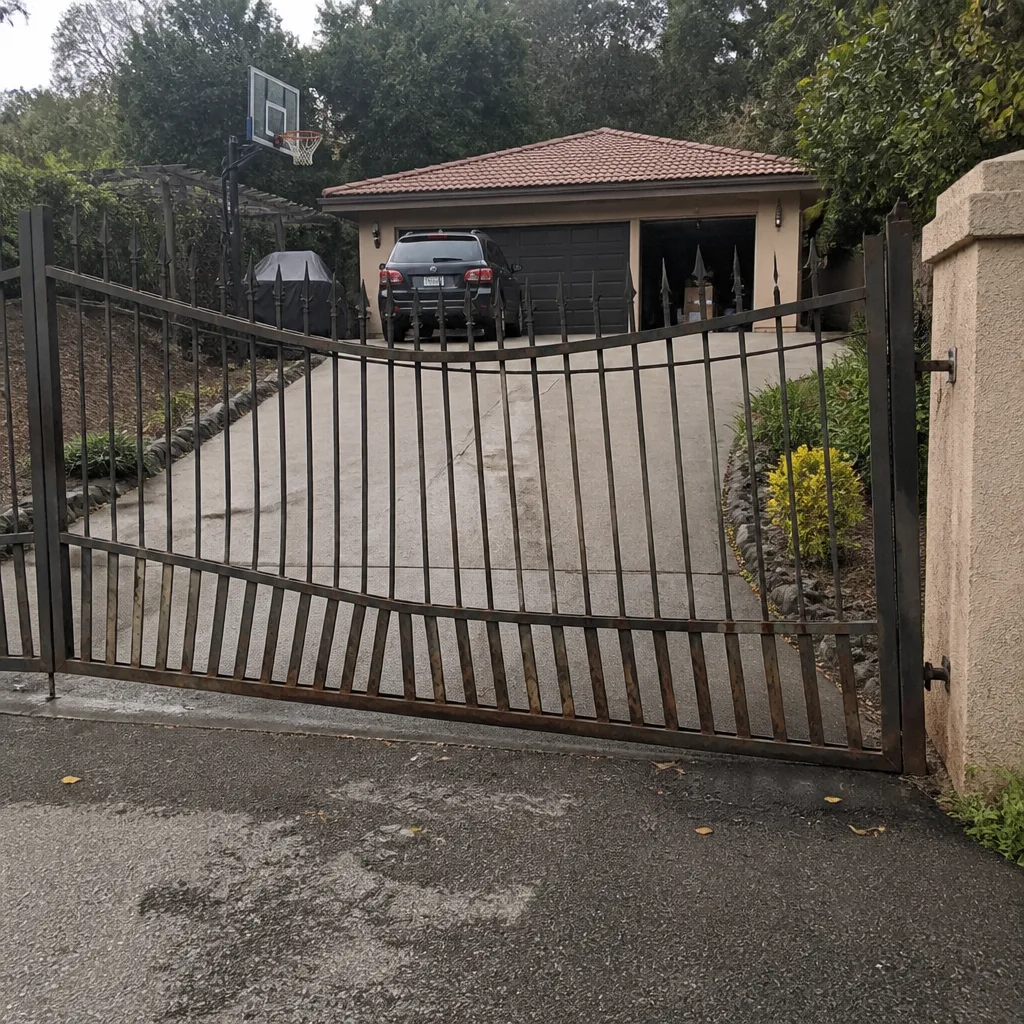
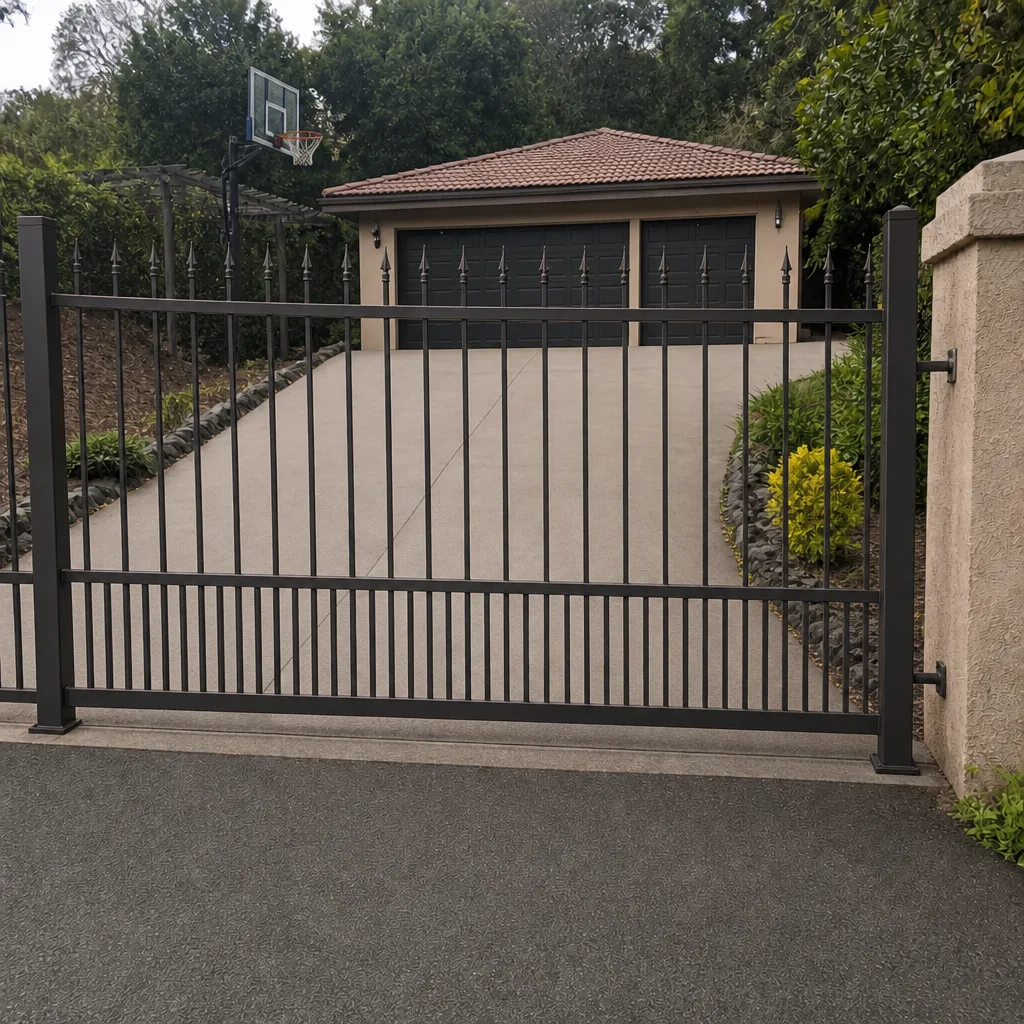
See the difference
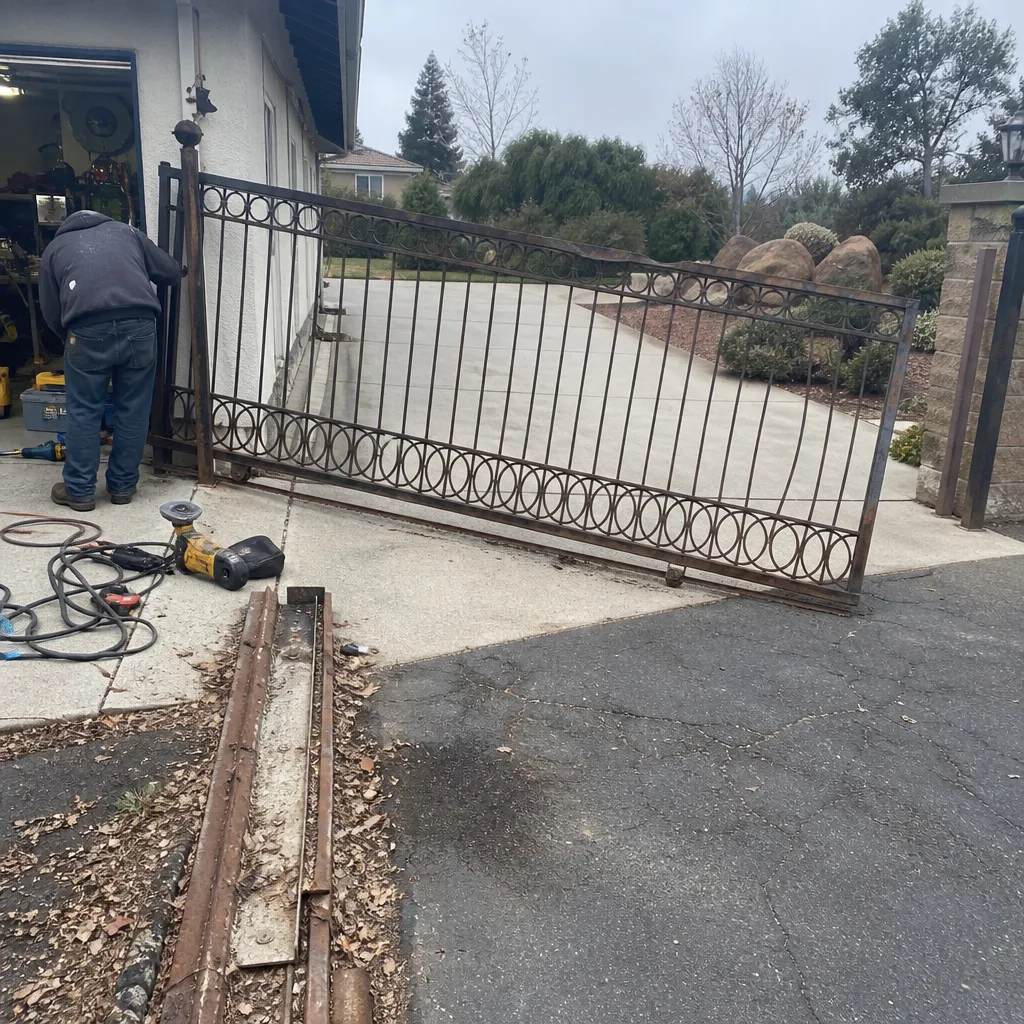 Before
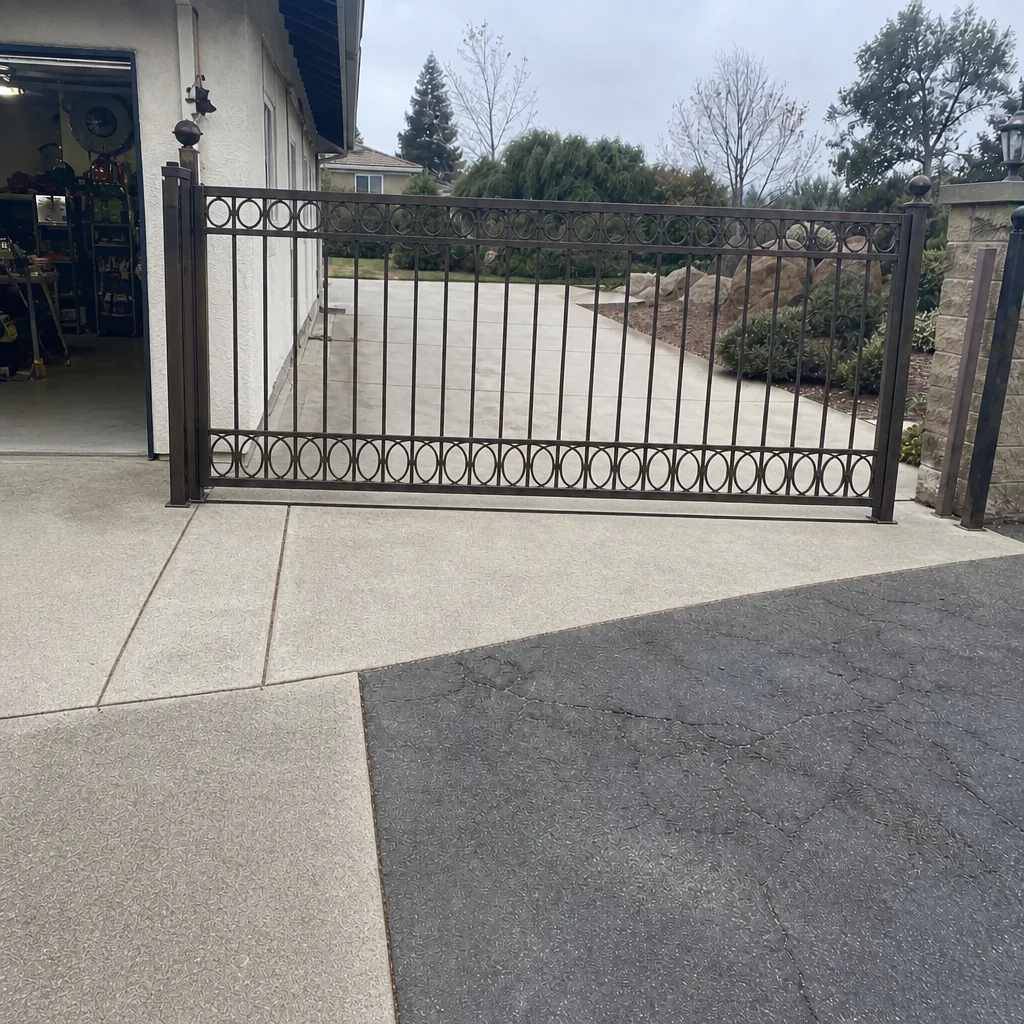 After
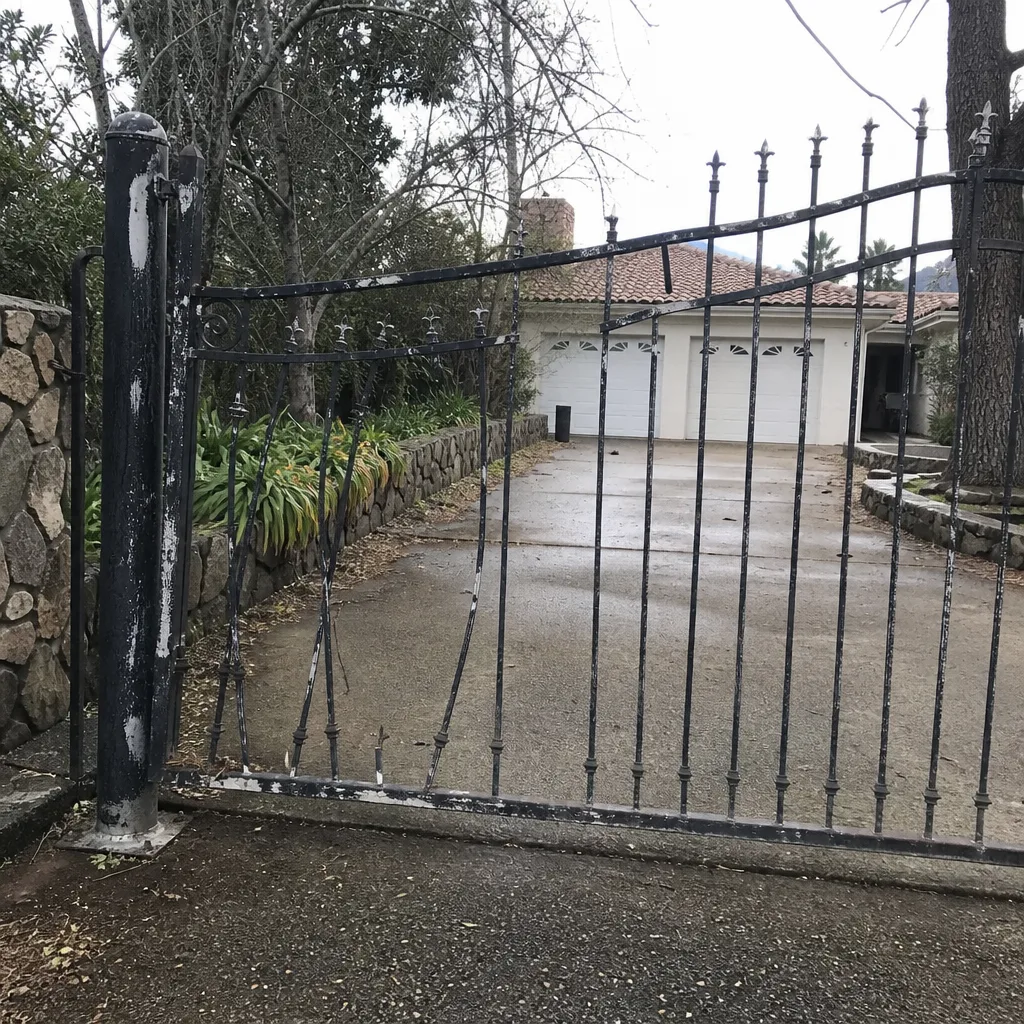 Before
 After
 Before
 After