
Last updated November 4, 2026
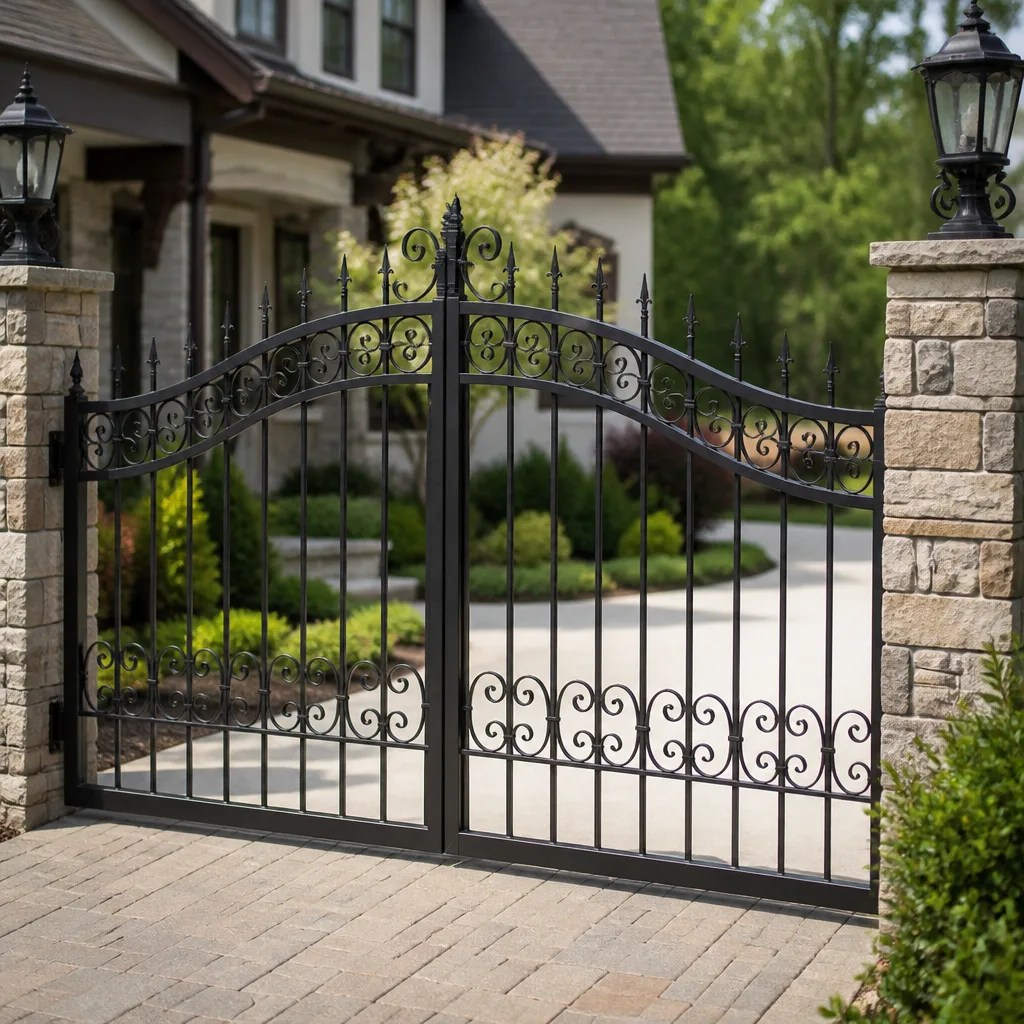 Wrought iron
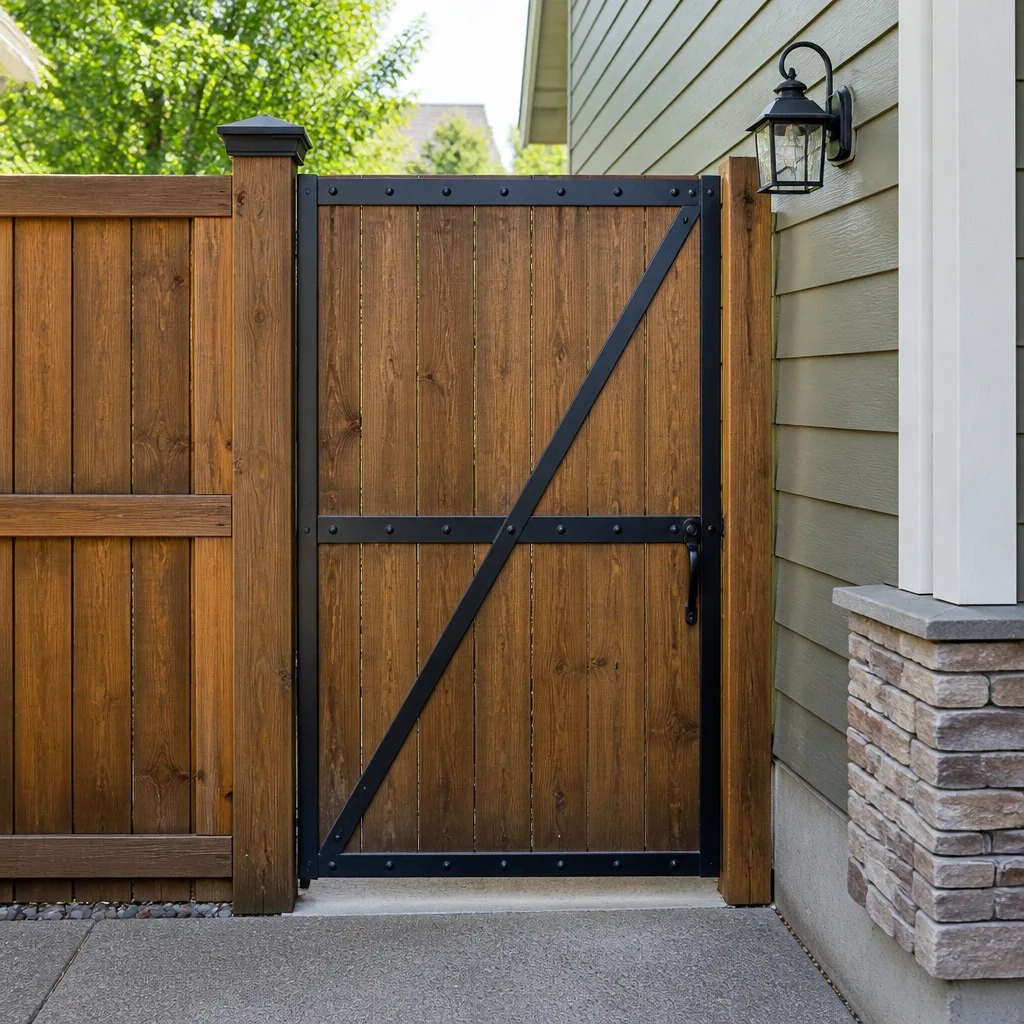 Wood & steel frame
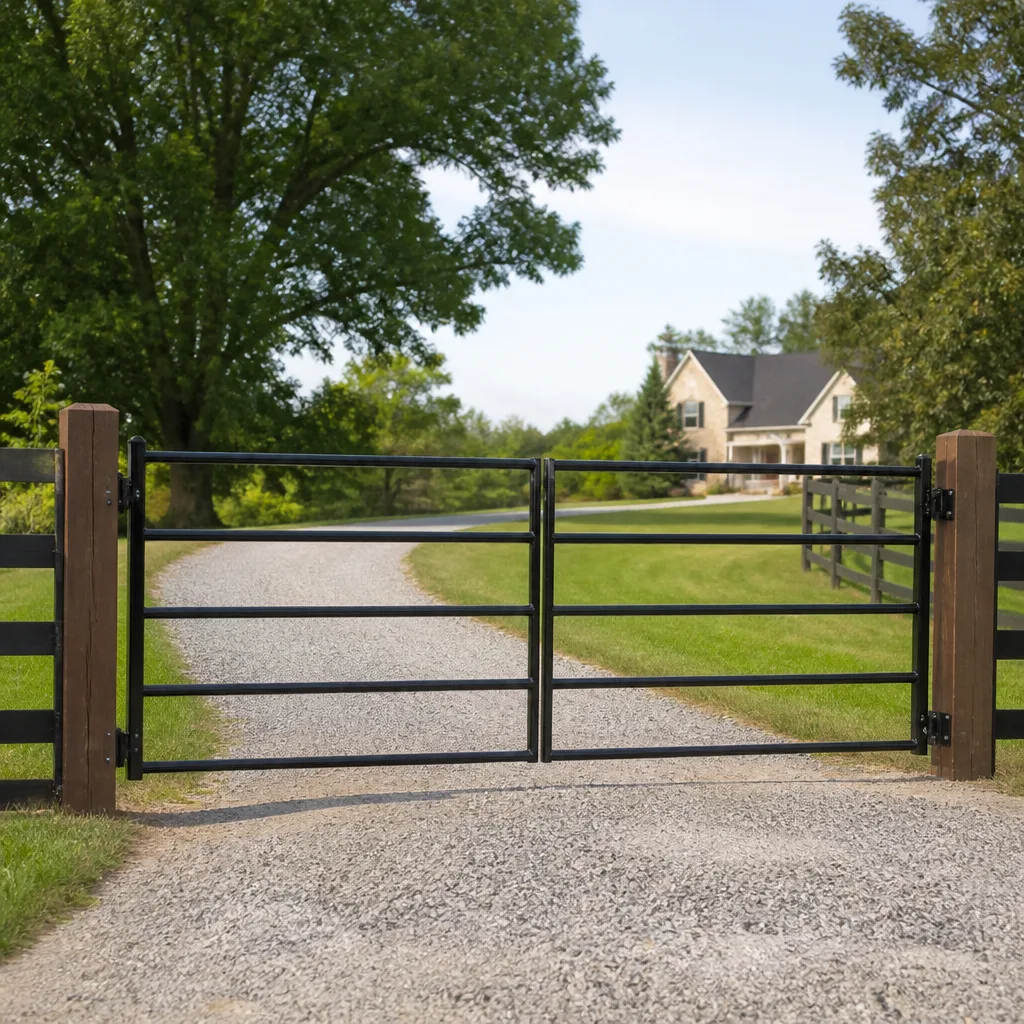 Farm & ranch
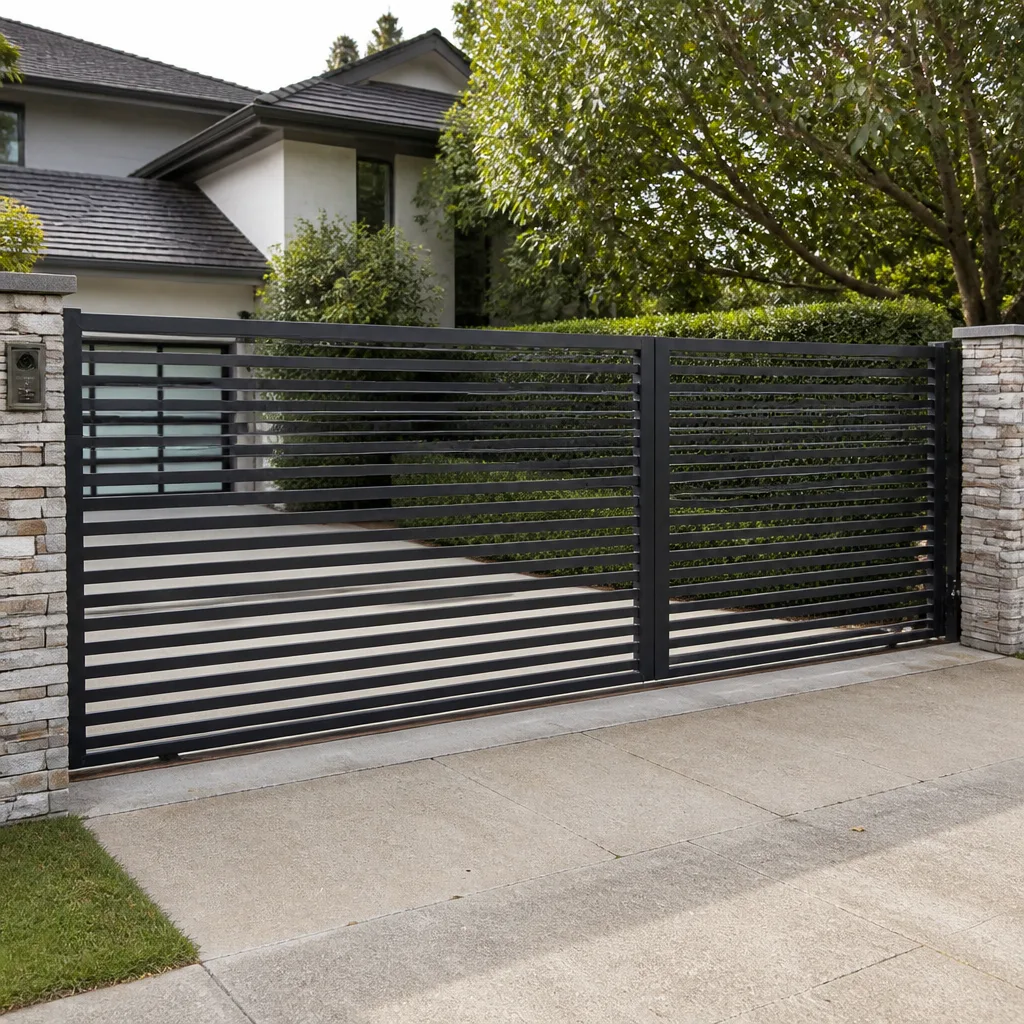 Sliding driveway gates
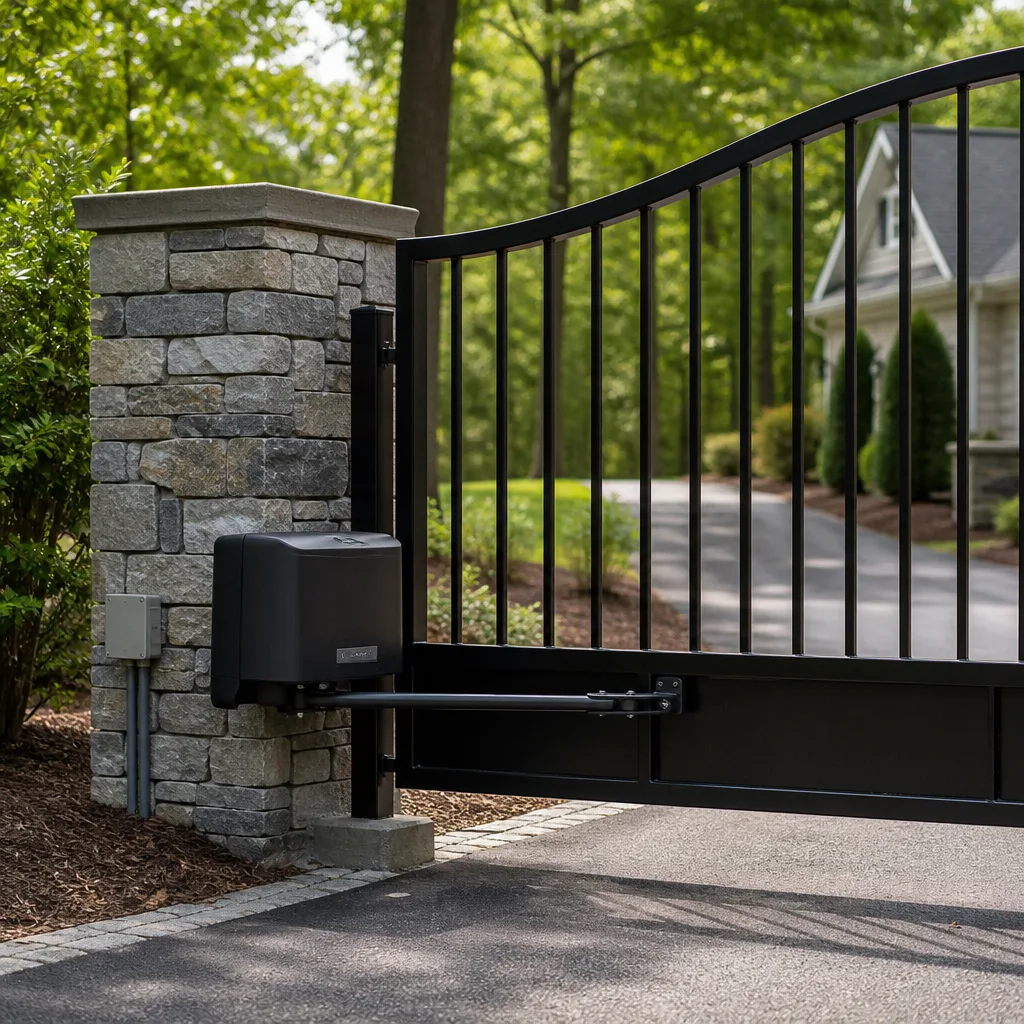 LiftMaster operators
Free on-site gate assessment - hinges, posts, and your LiftMaster or Nice gate operator checked before anything is quoted
The assessment is free and the quote is the invoice.
Get your free estimateSeasonal Gate Repair Care for Folsom: Year-Round Homeowner’s Guide
A black powder-coated gate operator housing in Folsom can hit internal temperatures above 140°F on a July afternoon. That heat does not just make the metal hot to the touch. It cooks circuit boards, bakes grease out of drive gears, and shortens battery life by years, not months. Meanwhile, winter brings the opposite problem: Folsom’s clay soil swells 3 to 5 percent when saturated, quietly pushing gate posts out of plumb and binding hinges that worked fine in October. This guide gives you a season-by-season plan for keeping your gate working through both damage windows. We’ve spent 12 years watching Folsom gates fail in predictable seasonal patterns, and we’ll show you exactly what to check before each season turns.
Quick Answer
Seasonal gate care in Folsom means two focused maintenance passes per year: a summer-heat prep in April or May that checks shade, ventilation, battery output, and solar panel cleanliness, and a winter-rain prep in November that checks post plumb, hinge tension, track debris, and rust initiation points. The goal is catching thermal-expansion damage and soil-movement misalignment before they cause a full gate failure. A seasonal cycle log makes the difference between a $200 adjustment and a $2,000 operator replacement.
Styles & brands we work with
- Wrought iron
- Wood & steel frame
- Farm & ranch
- Sliding driveway gates
- LiftMaster operators
Table of Contents
- Summer Heat Prep for Folsom Gate Operators
- Post-Summer Inspection: Thermal Expansion and Photo-Eye Drift
- Winter Rain Prep: Clay Soil, Gate Posts, and Hinge Tension
- Post-Rain Inspection: Post Lean, Track Debris, and Rust
- The Year-Round Cycle Log: Predicting Wear Before Failure
- Common Mistakes to Avoid
- When to Call a Professional
- Frequently Asked Questions
Summer Heat Prep for Folsom Gate Operators
Folsom summers routinely push past 100°F, and that heat is the single biggest killer of gate electronics in this market. The operator housing absorbs solar radiation all day. A black housing in direct sun can reach 140°F inside even when the air is 105°F. Circuit boards rated for 158°F run closer to their thermal limit than most homeowners realize, especially in gate operators mounted on west-facing walls or in full sun. Heat does not usually kill a board in one afternoon. It degrades solder joints, fatigues capacitors, and slowly warps connector housings until a marginal connection fails completely. We see more operator failures in August and September than any other time of year.
Summer prep should happen in April or early May, before the first triple-digit week. Here is the sequence we recommend:
- Shade check. If your operator housing sits in direct afternoon sun, install a simple shade cover or plant a drought-tolerant screen that blocks the 2pm to 6pm sun without trapping heat against the housing. Air gap matters: the shade should sit at least 18 inches away so heat can rise and escape.
- Ventilation verification. Most modern operators have small vents or louvers. Make sure they are not blocked by debris, spider webs, or dust. A clogged vent raises internal temperature fast. On El Dorado Hills-facing slopes, dust is a real issue during dry springs.
- Solar panel output check. If you run a Mighty Mule or Ghost Controls system on solar, clean the panel thoroughly. Pollen and dust cut output more than people realize. Use a damp cloth only when the panel is cool, and verify the panel is still angled correctly.
- Battery capacity test. Battery capacity drops as temperature rises. A battery that held a full charge in March can be at 60 percent effective capacity by August if it is aging. Test it now and replace it if it falls below the manufacturer’s threshold for your specific operator.
- Limit switch and travel check. Metal expands in heat. A gate that stops exactly at the close limit in April may overtravel by a quarter inch in July if the limit switch positions have not been adjusted for thermal expansion. Verify both open and close limits while the metal is already warm.
One more thing Folsom homeowners often miss: a gate that sits against a fence line with poor airflow behind it runs hotter than one standing free. The fence holds heat in the same way a car parked against a wall stays hotter. This is an easy fix with a simple standoff mount that keeps the operator housing off the hot post surface.
Post-Summer Inspection: Thermal Expansion and Photo-Eye Drift
September is the most important inspection month for Folsom gates, and almost nobody schedules one. The thinking goes that if the gate made it through summer, it is fine. But heat stress is cumulative. A gate that limped through August with a marginal solder joint will fail in October when the first real rain changes the humidity and the board contracts slightly. A September inspection catches these problems while they are still repairable.
Here is what we look for in a post-summer inspection, and what homeowners can check themselves:
- Limit switch positions. After a full summer of thermal cycling, the open and close positions often drift a few degrees. If your gate slams against the close stop or fails to fully seat against the pillar, the limit switches need adjustment. This is a fifteen-minute job when caught early.
- Photo-eye alignment. Photo-eye brackets warp slowly in heat. A beam that was perfectly aligned in June may be off by a fraction of an inch by Labor Day. Walk the beam path with a piece of cardboard to confirm it is still breaking cleanly along the full travel path.
- Grease condition. Drive gears and pivot points lose lubrication faster in Folsom heat than in cooler markets. Check for dry, crusty, or discolored grease. Re-grease per manufacturer spec. Do not over-grease, which attracts dust and creates a paste that accelerates wear on DoorKing and Elite slide systems.
- Wiring and connectors. Heat degrades wire insulation and loosens screw terminals. Look for any discolored wires, melted connectors, or charred terminal strips inside the operator housing. These are arc points and fire hazards, not cosmetic issues.
- Chain and belt tension. Slide gates run chains or belts that stretch in heat, then do not always return to original length when cooled. Check tension against the manufacturer’s spec for your specific opener model.
We treat September as the reset point for the entire system. If the gate survived summer with proper prep and this inspection, winter becomes a much smaller worry.
Winter Rain Prep: Clay Soil, Gate Posts, and Hinge Tension
Folsom’s winter wet season runs from November through March, and it is the second major damage window on the calendar. The issue is not rain hitting the gate. The issue is what the rain does to the soil underneath the gate posts. Folsom sits on clay soil that expands 3 to 5 percent when saturated. That does not sound like much, but on a 7-foot post buried 3 feet deep, it is enough to push the post 2 to 3 inches out of plumb over a single wet season. A post that leans changes the geometry of the entire gate system: hinges bind, the gate drags on the ground, the latch no longer aligns, and the operator strains against resistance it was never designed to handle.
November prep is about waterproofing and geometry. The sequence:
- Post plumb check. Put a 4-foot level against every gate post. Note any lean of more than a quarter inch. That is the threshold where it starts affecting hinge operation. We measure this in November because it establishes the baseline before the wet season moves the ground.
- Hinge tension and lubrication. Check every hinge for side-to-side play and stiffness. Tighten all bolts. Grease the hinge pins. A dry hinge in November becomes a seized hinge in February when moisture rusts the pin surface.
- Drainage check around post bases. Make sure water drains away from the post, not toward it. A post hole that fills with water each rain causes the soil to stay saturated longer, which means more expansion and more movement. Regrade if necessary, or add a small gravel collar.
- Track and roller inspection. Slide gate tracks collect leaves, mud, and debris all winter. Check the track for sediment buildup and the rollers for wear. A slide gate that jumps its track in January is usually the result of a worn roller that nobody checked in November.
- Rust initiation inspection. Look at every welded joint, bolt head, and galvanized surface for the first sign of rust. Folsom does not get the heavy corrosion of a coastal market, but winter moisture plus dry summer heat means hardware rusts enough to seize before it rusts enough to fail structurally. Early rust is a wire-brush-and-paint fix. Late rust is a part replacement.
One thing to understand clearly: Folsom winters are mild, but that mildness creates a specific problem. The soil never freezes deep, so water moves through it freely all winter, keeping the clay saturated and expansive for months. That is why post movement here is a wet-season problem, not a freeze-thaw problem.
Post-Rain Inspection: Post Lean, Track Debris, and Rust
March or April, after the last significant rain, is the second inspection point of the year. This one is about measuring what the winter actually did, not what we feared it would do. By now the clay has had three to four months of saturation, and any movement that was going to happen has happened.
Here is the post-rain protocol we follow on every Folsom gate we inspect in spring:
- Post lean measurement. Re-level every post and compare against the November baseline. If a post moved more than a half inch, the footing may need resetting. At three-quarters of an inch or more, resetting is almost certainly required. A post that leans toward the gate causes the hinges to bind; a post that leans away causes the latch to gap.
- Wheel track debris removal. Slide gates build up enough mud, leaves, and gravel in one wet season to throw off alignment by a full wheel width. Pull the debris, run the gate through its full travel, and listen for scraping or grinding. Clear the track completely on both sides of the rail.
- Rust progression check. Compare every rust point against November. If rust has spread more than the size of a dime, treat it now. If it has pitted the metal, plan for part replacement. Do not paint over active rust without wire-brushing first; the rust just continues underneath.
- Operator housing interior inspection. Look for moisture intrusion. Winter humid air plus a warm operator circuit board creates condensation inside the housing. Look for water marks, mineral deposits, or fogging on the interior cover. This is the first sign of a board that will fail earlier than it should.
- Battery health after cold and wet. If your gate runs on battery backup or full solar with battery storage, test the batteries now. A winter of reduced solar input and more frequent night operation stresses batteries more than summer heat in some cases.
This spring inspection is the counterpart to the September check. Together they give you a complete seasonal maintenance cycle. Each one takes a homeowner about thirty to forty-five minutes if everything is healthy, and they catch problems when the fix is still cheap.
The Year-Round Cycle Log: Predicting Wear Before Failure
Every gate operator has a rated cycle count. A Ghost Controls residential swing opener might be rated for 50,000 cycles. A commercial DoorKing slide operator might be rated for 300,000. Most homeowners never track how fast they use up those cycles, which means they replace parts on surprise rather than on schedule.
A cycle log is simple: write down the number of times your gate opens and closes each day. Count both operations as one cycle each. A gate that opens once in the morning and closes once at night uses 2 cycles per day, or about 730 cycles per year. A gate on a busy Folsom home with kids, delivery trucks, and visitors might see 12 to 20 cycles per day, or 4,000 to 7,000 cycles per year.
Here is the calculation we use with customers:
- Estimate your daily cycle count. Stand at the gate for one normal day and count. If a weekday is different from a weekend, count both and average over a week.
- Multiply by 365. That gives your annual cycle total. Write it down and update it annually if your household changes.
- Look up the rated cycle life. Your operator manual lists the expected cycle rating. If the manual is gone, a technician can pull the spec from the board model.
- Plan mechanical service at 75 percent of rated life. A hinge, roller, or drive gear that is worn at 75 percent of its rated life can be replaced on your schedule. The same part at 110 percent of rated life fails without warning.
- Log every service and adjustment. Write down the date, what was done, and what the technician recommended. This becomes the single most useful document when diagnosing a future problem.
We see the cycle log as the highest-leverage habit a Folsom homeowner can have. It costs nothing. It takes a few seconds per day. And it turns gate maintenance from reactive surprise into scheduled maintenance. When a technician asks how many cycles the gate has seen, you will know the answer instead of shrugging.
Common Mistakes to Avoid
- Waiting until the gate stops working to schedule service. By the time a gate fails completely, the underlying problem has usually been developing for weeks or months. A binding hinge that gets serviced in October is a $100 repair. The same hinge ignored until February becomes a bent actuator arm and a $700 operator problem.
- Ignoring the September inspection. This is the most common skip we see. Summer heat damage is invisible from the outside. The post-summer check is when small thermal-expansion problems get corrected cheaply.
- Letting water pool at the post base. Flooded post holes in Folsom clay mean the soil stays saturated longer, which means the post moves more. Standing water next to a gate post is not a cosmetic issue; it is a geometry problem waiting to happen.
- Over-greasing hinges and drive gears. More grease is not better in Folsom’s dry summers. Excess grease catches dust and grit, which turns into abrasive paste that accelerates wear on slide tracks and hinge pins. A thin, even coat is correct.
- Painting over rust without wire-brushing first. The rust keeps spreading underneath the paint. The metal looks fine from the outside for six months, then the rust erupts through the coating and the part fails. Remove rust to bare metal before painting.
- Adjusting limit switches without verifying photo-eye alignment first. When a gate does not close fully, homeowners often adjust the limit switch to force it close. But the root cause is often a photo-eye that drifted out of alignment in heat, and forcing the gate closed makes the safety system less responsive. Always check the photo-eye before touching limits.
- Skipping the cycle log because it seems like busywork. No homeowner has ever regretted having a service history. It makes diagnosing problems faster and keeps honest technicians honest. A log takes 30 seconds a day and pays for itself the first time a part fails early.
When to Call a Professional
Some gate care is safely DIY, but there are moments when calling a specialist is the right move. If your gate post has moved more than half an inch out of plumb, resetting it requires digging the footing, re-pouring, and re-hanging the gate, which is beyond most weekend toolboxes. If your operator housing shows signs of moisture intrusion or charred wiring, that is an electric gate repair issue with real safety consequences, not a homeowner project. If your gate runs a FAAC, BFT, or DoorKing commercial operator with a control board, loop detector, and keypad, diagnostics require brand-specific knowledge that general repair services simply do not have.
Gate Repair Folsom offers free estimates in Folsom and the surrounding area. Call (833) 593-3926 to schedule a technician. We answer 24/7. Fast dispatch from 7am to 7pm, Sunday through Friday. The price is quoted and agreed before any work starts.
We work on your brand. If it says LiftMaster, FAAC, BFT, Linear, Viking, Ghost Controls, DoorKing, Elite, or Mighty Mule, our technicians already know the system. We are a dedicated gate repair specialist in Folsom, not a general contractor who takes gates on the side. From the opener to the operator, every job is a gate job.
Frequently Asked Questions
Seasonal inspection and adjustment work on a residential gate in Folsom typically runs between $150 and $350, depending on what the inspection finds. A basic two-season program is usually enough for most homes. The estimate is free. Call (833) 593-3926 and we will look at your specific gate and give you a written price before any work starts.
Yes. We dispatch technicians from 7am to 7pm, Sunday through Friday, and most summer heat failures are repairable in one visit. We answer 24/7, so if your gate fails on a hot afternoon, call (833) 593-3926 and we will get a technician to your Folsom home. The price is quoted and agreed before we start.
Yes. Folsom has two distinct damage windows: the summer heat cycle that degrades electronics and lubricants, and the winter wet season that moves clay soil and throws gate geometry out of alignment. A September inspection catches heat damage, and a March inspection catches rain damage. Together they are the cheapest insurance you can buy for a gate.
Heat inside the operator housing can exceed 140°F on a Folsom afternoon. That temperature degrades solder joints, fatigues capacitors, bakes lubricants out of drive gears, and shortens battery capacity. Boards rarely fail the first hot day; they fail in late summer after weeks of cumulative thermal stress.
Folsom’s clay soil expands 3 to 5 percent when saturated, which pushes gate posts out of plumb. A post that moves a half inch changes hinge geometry, strains the operator, and causes the latch to misalign. Winter rain is the reason most Folsom gates develop a slight lean or begin dragging by March.
We do. Gate Repair Folsom covers the full residential-to-commercial spectrum. We work on Ghost Controls and Mighty Mule for homeowners, and FAAC, BFT, and DoorKing for property managers and commercial operators in Carmichael and throughout the region. If your gate has a control board, loop detector, keypad, and actuator, we diagnose it by brand logic, not guesswork. Call (833) 593-3926 for a free estimate.
The Bottom Line
Folsom gates live in two hostile seasons, and smart homeowners prepare for both. Summer heat bakes the electronics and the lubricants; winter rain moves the clay soil and throws off the mechanical geometry. Two inspections per year, one in April before the heat and one in September after it, plus a November geometry check and a March post-rain check, keep a gate running through its full rated life. A cycle log turns maintenance from surprise into schedule. And when something is beyond a homeowner’s scope, the right move is calling a gate specialist. The Gate Repair Folsom team covers every brand on the market, from Mighty Mule to DoorKing. Call (833) 593-3926 for a free estimate. We answer 24/7. Fast dispatch from 7am to 7pm, Sunday through Friday.
Written by the team at Gate Repair Folsom, serving Folsom since 2014.
See the difference
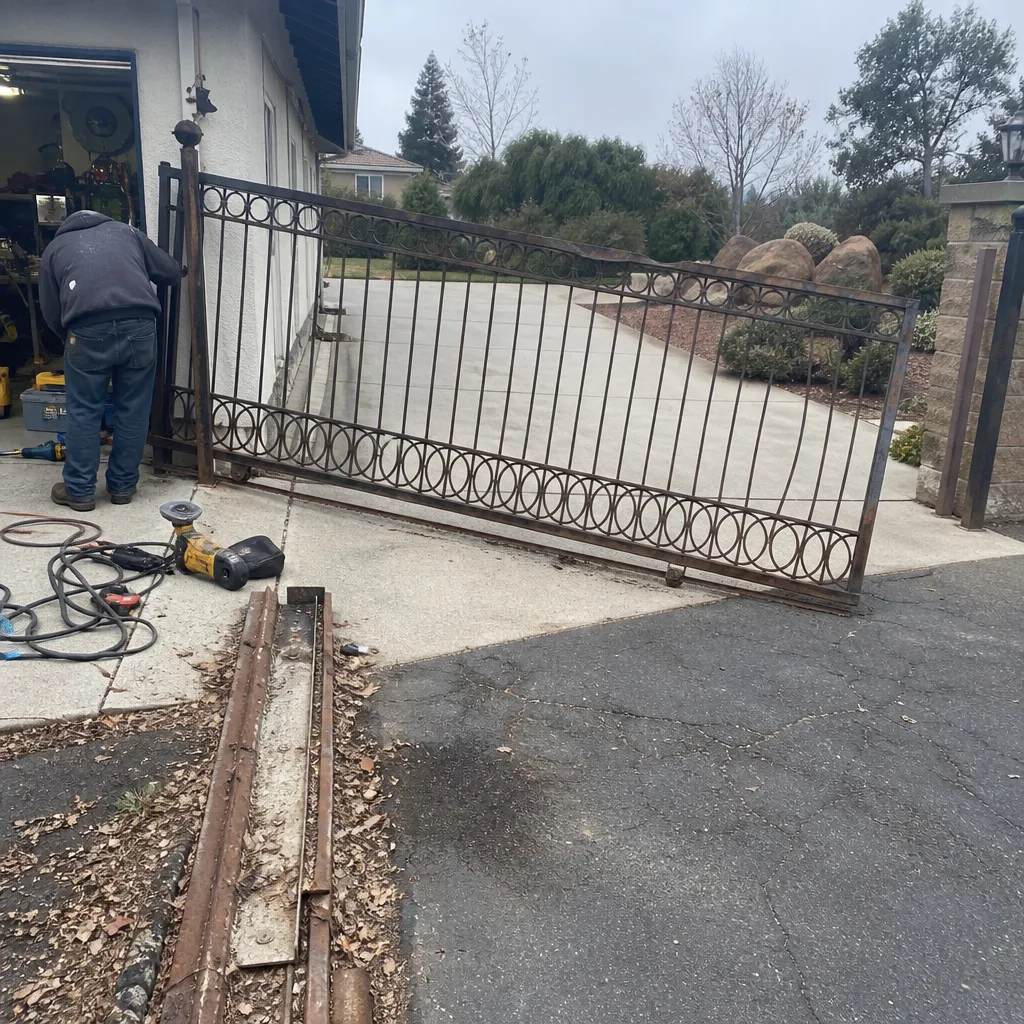 Before
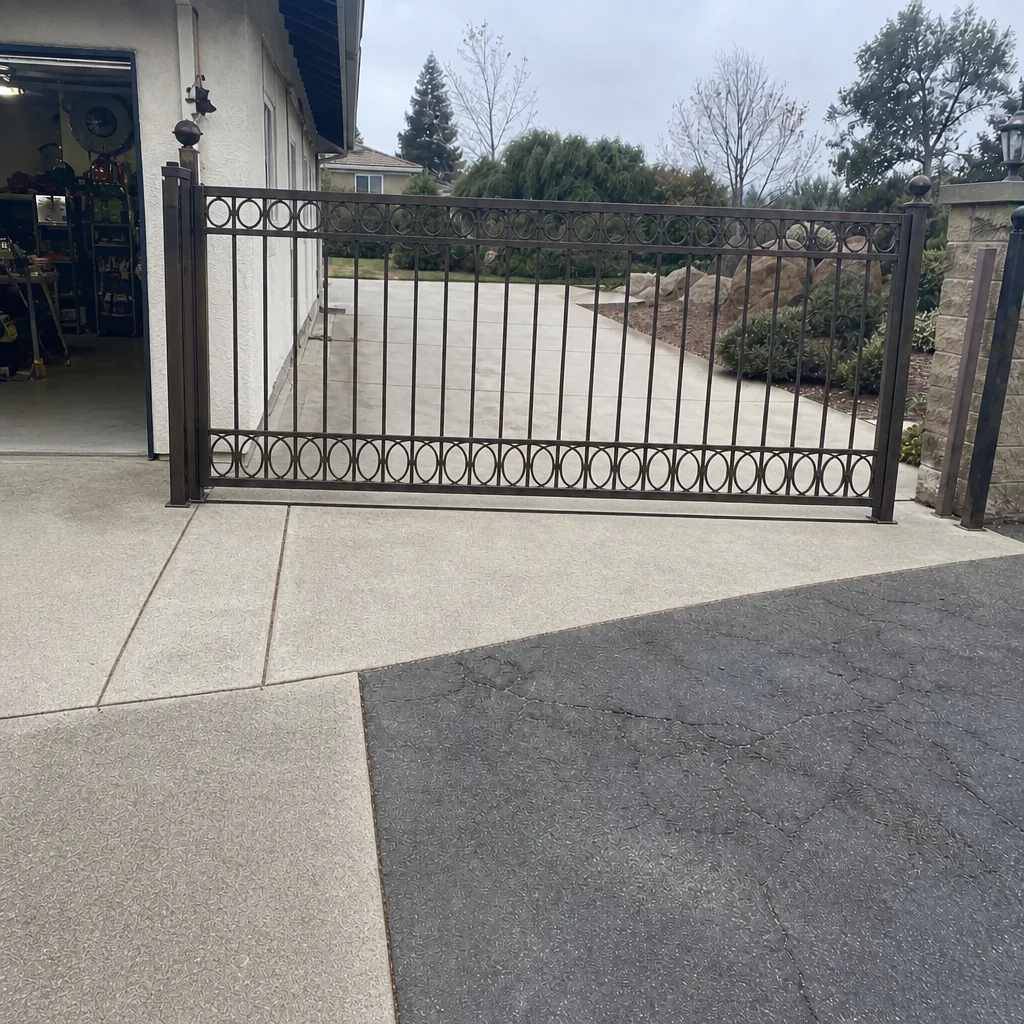 After
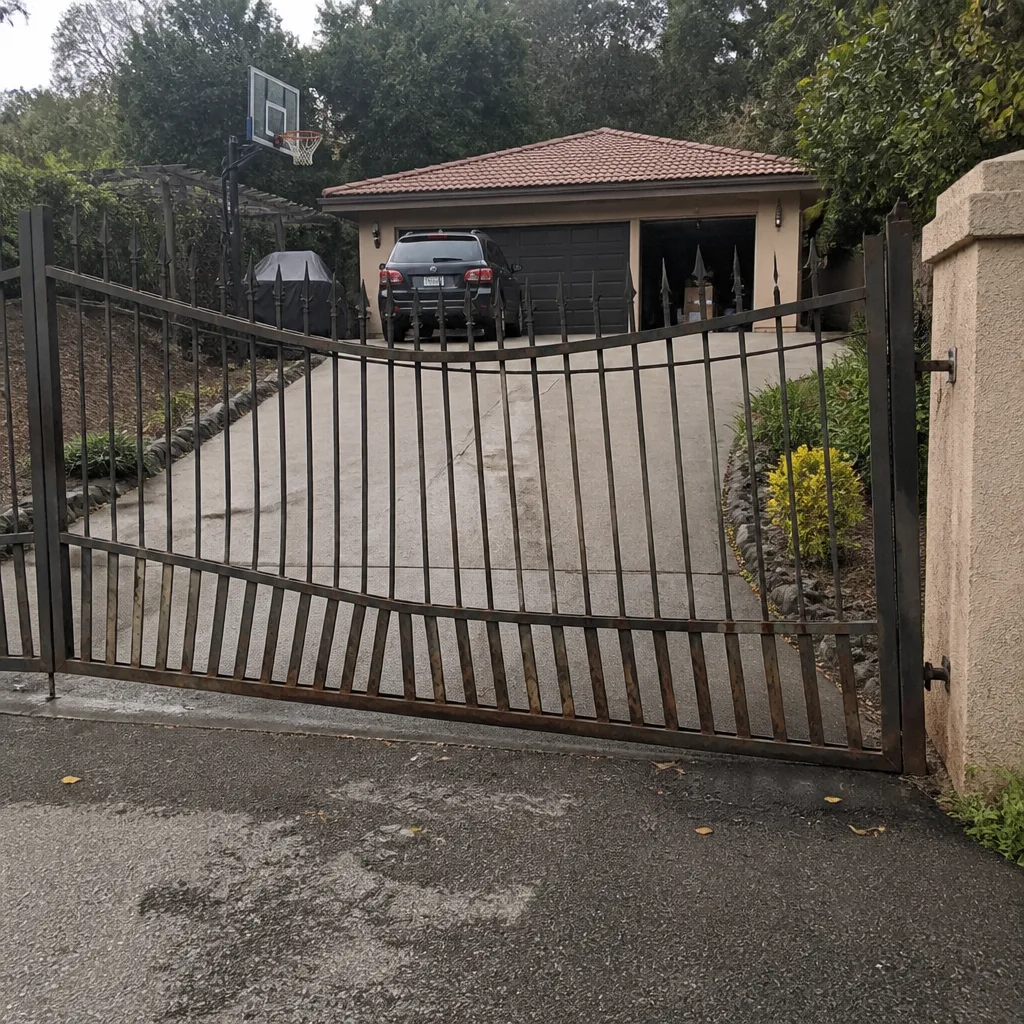
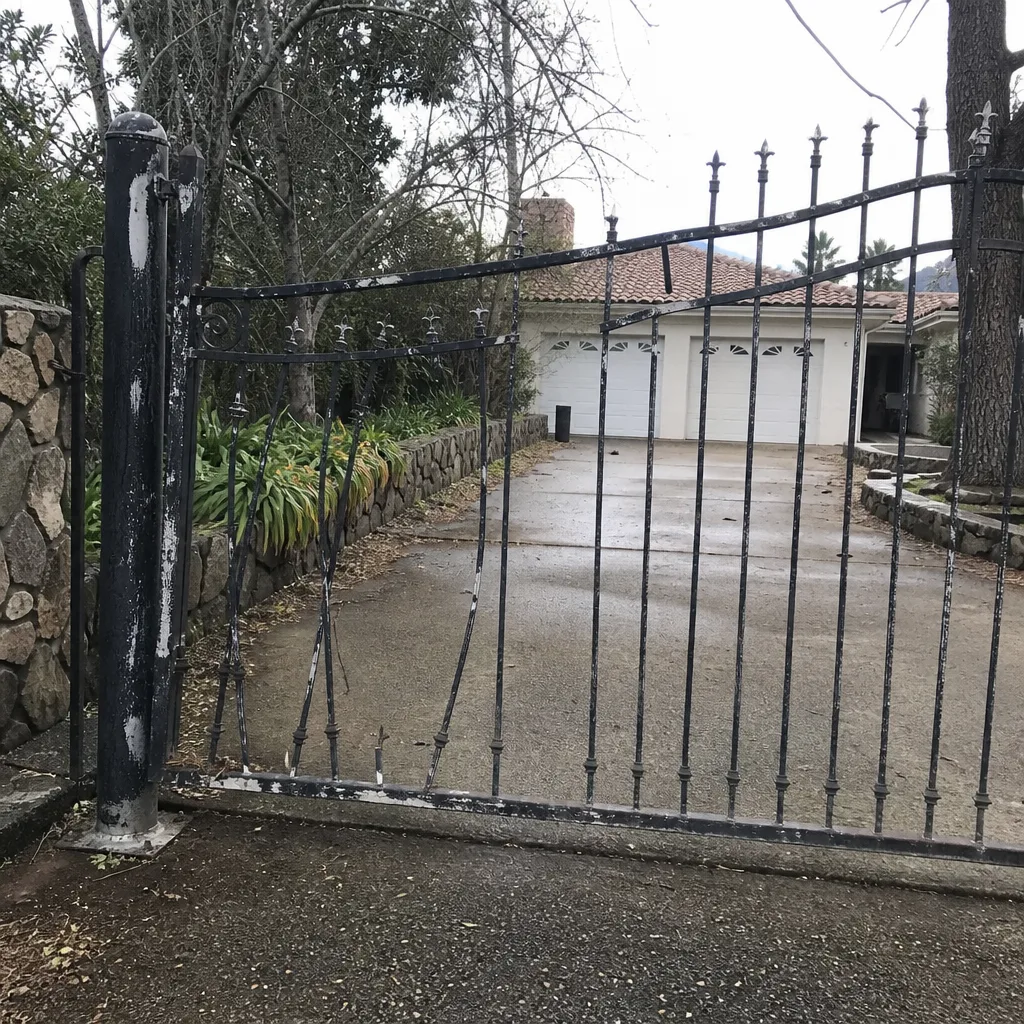 Before
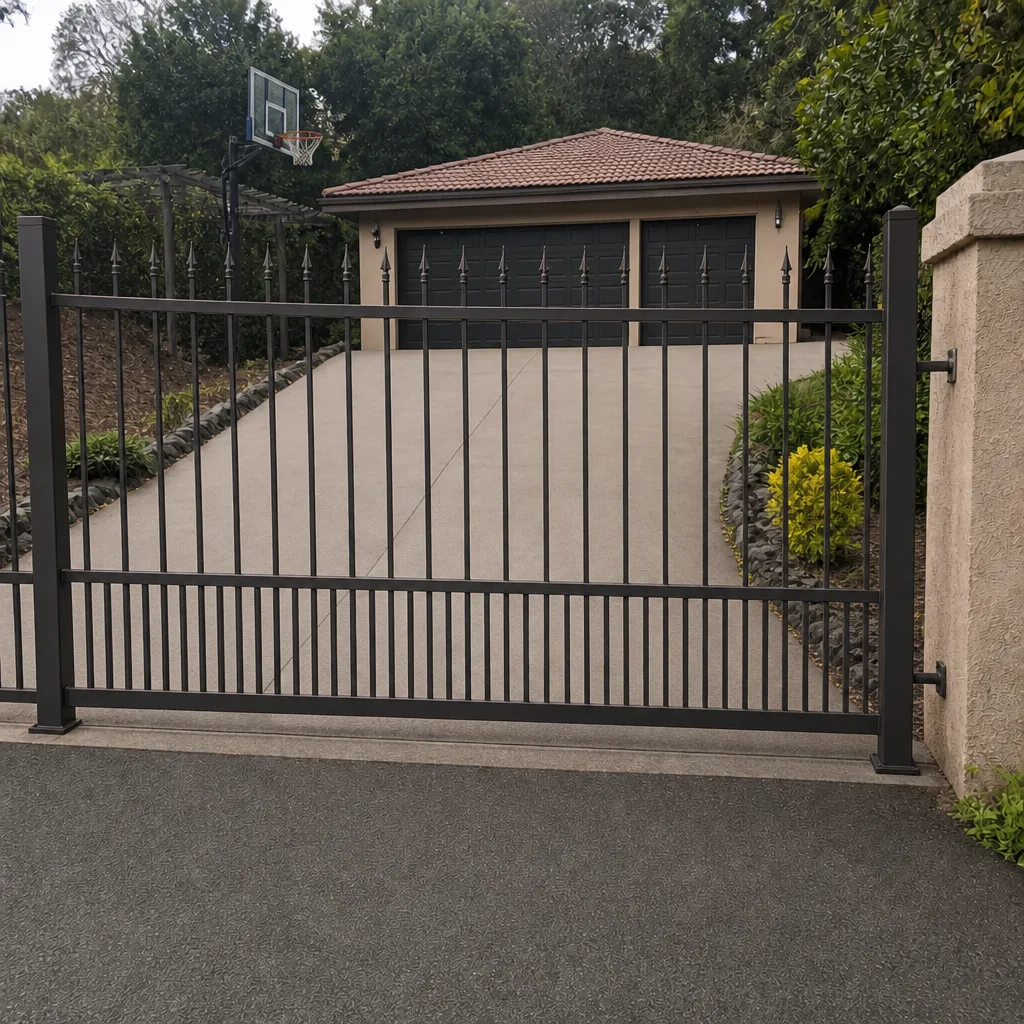
 After
 Before
 After