
Last updated November 4, 2026
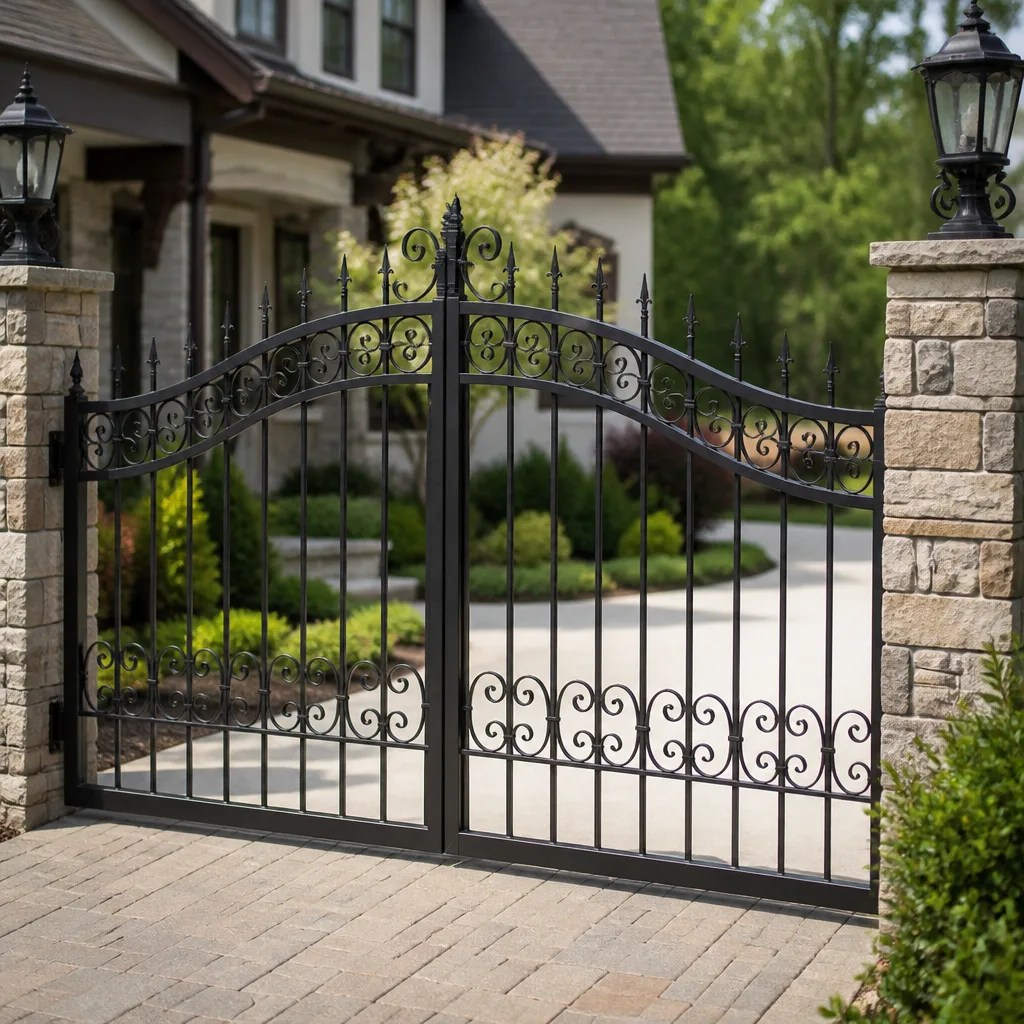 Wrought iron
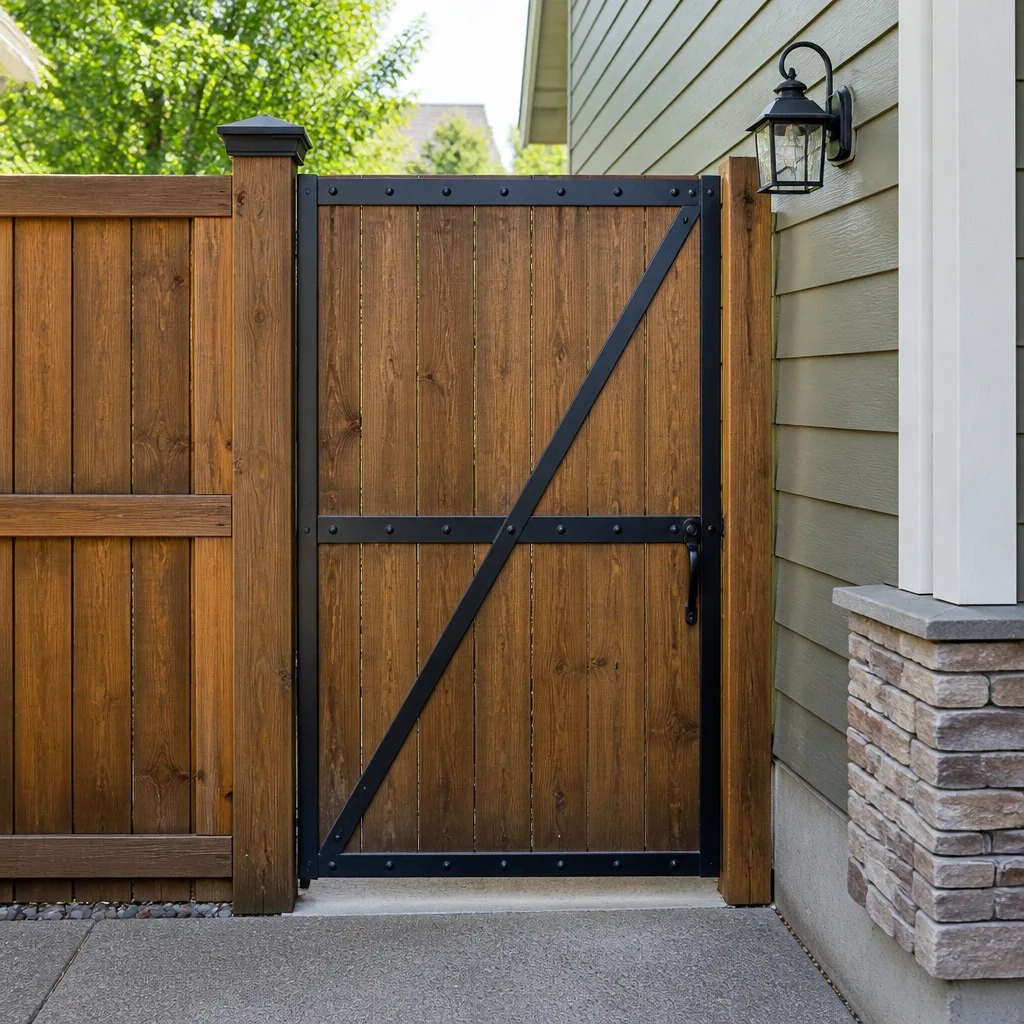 Wood & steel frame
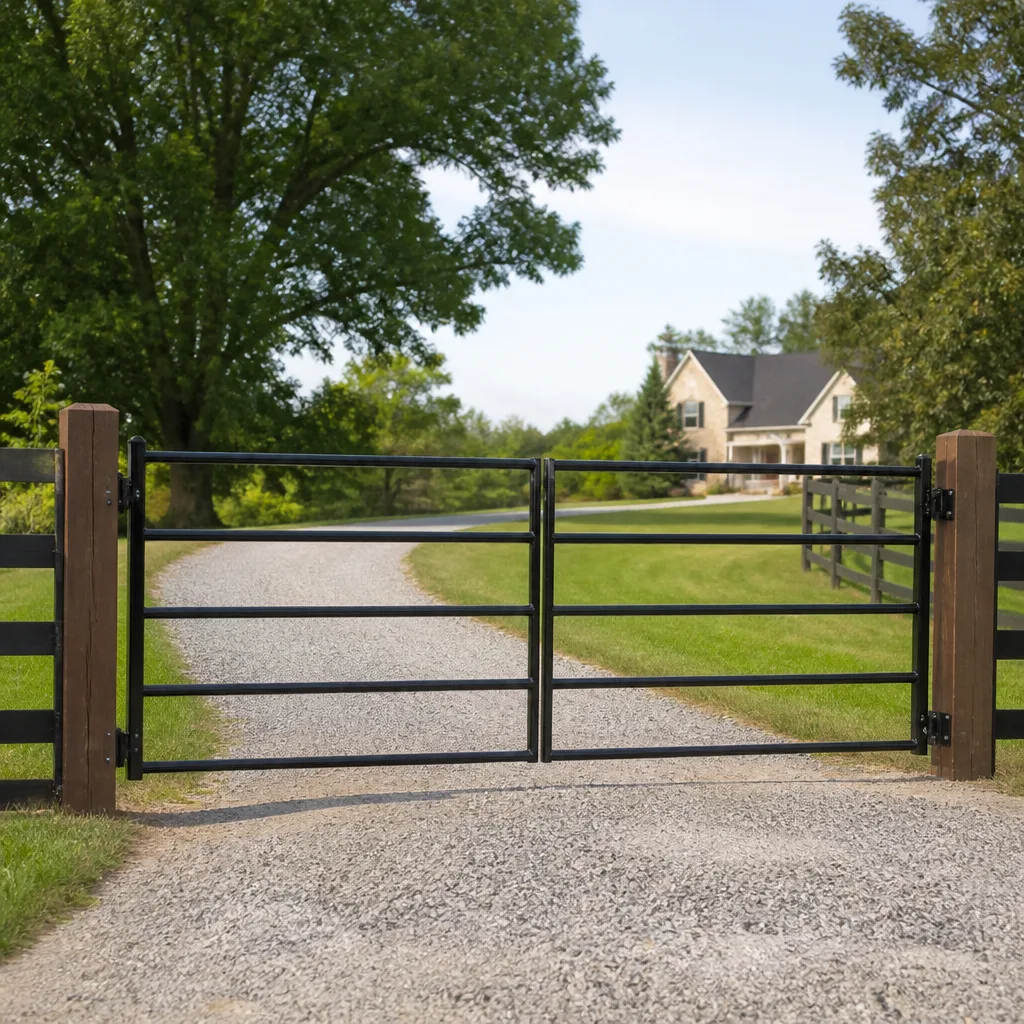 Farm & ranch
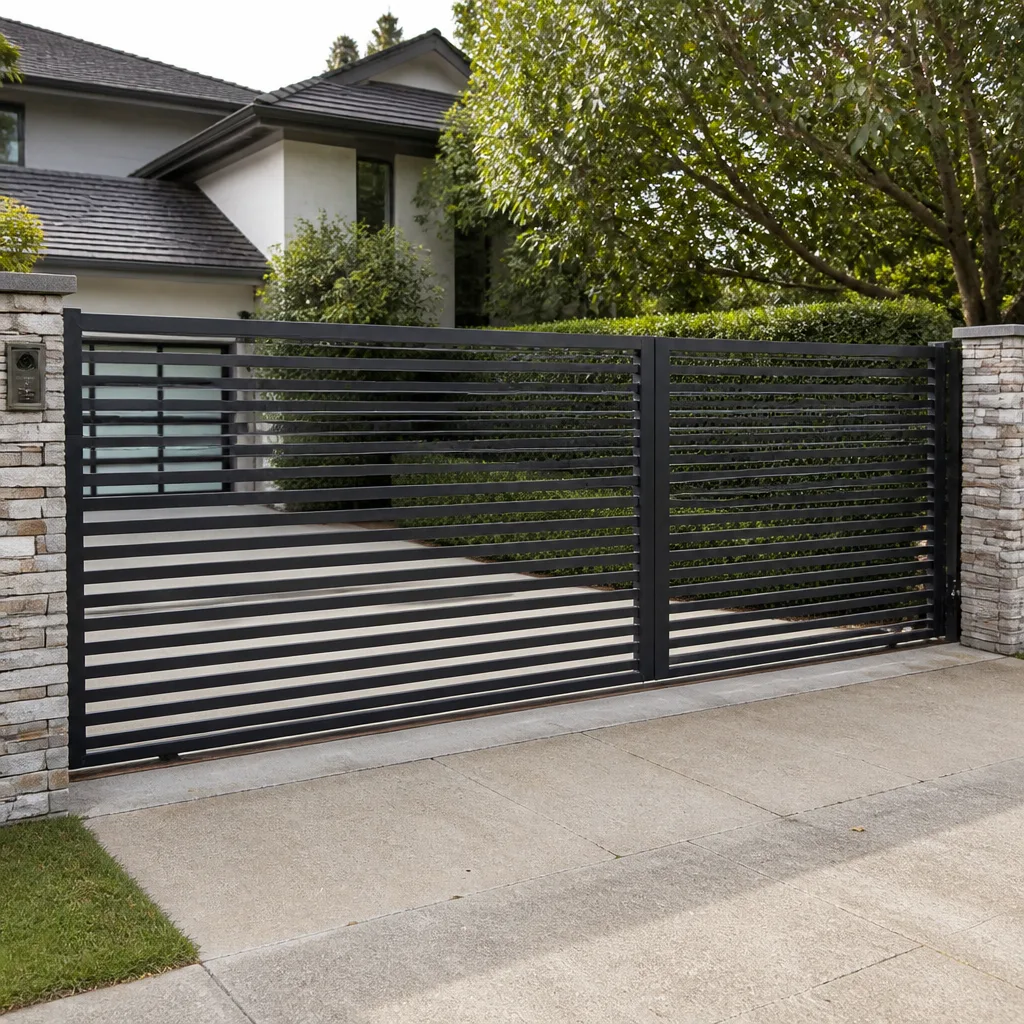 Sliding driveway gates
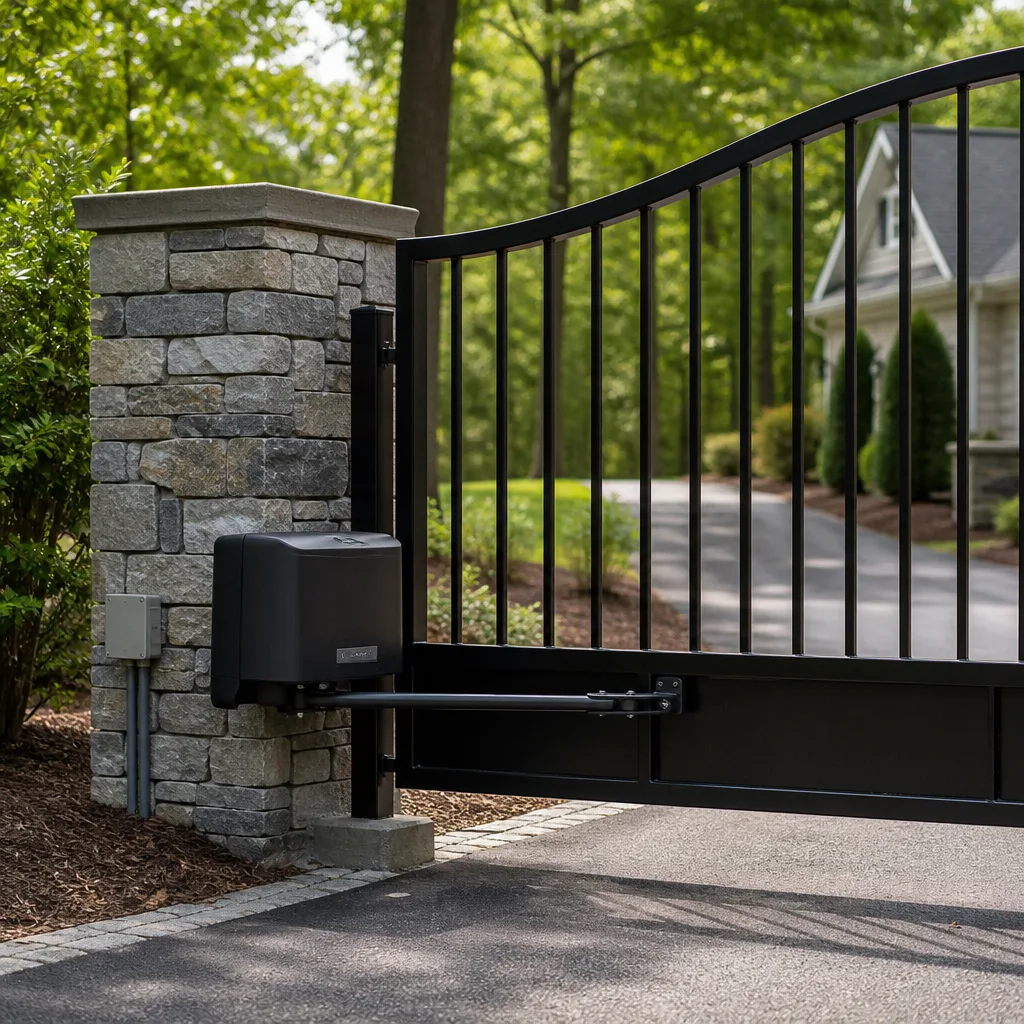 LiftMaster operators
Free on-site gate assessment - hinges, posts, and your LiftMaster or Nice gate operator checked before anything is quoted
The assessment is free and the quote is the invoice.
Get your free estimateGate Repair Emergency Preparedness Guide for Folsom Homes
Most Folsom homeowners discover their automated gate has a manual release only after the power goes out and the gate will not move. That is a bad time to learn that the release cable is seized, the battery backup was never installed, or the procedure for a LiftMaster operator is nothing like the procedure for a Viking. This guide explains what to check now, what to have ready before you call a technician, and what to do when a gate failure intersects with a Folsom power shutoff or evacuation. You will learn the manual release steps for the major operator brands, how to test a battery backup the way a technician would, and what CalFire recommends for gate access during wildland fire evacuations in the foothill zone.
Quick Answer
Preparing a Folsom home for a gate emergency means three things: test the manual release on your operator at least twice a year and know the exact procedure for your brand, put the gate brand, model number, and a photo of the operator on your phone so a technician can diagnose the failure before dispatch, and verify that any battery backup actually opens the gate under full load, not just that the indicator light is green. If the gate is stuck closed during a power outage or evacuation and you cannot release it, call (833) 593-3926. We answer 24/7. Fast dispatch from 7am to 7pm, Sunday through Friday.
Styles & brands we work with
- Wrought iron
- Wood & steel frame
- Farm & ranch
- Sliding driveway gates
- LiftMaster operators
Table of Contents
- Manual Release Procedures by Operator Brand
- Battery Backup Testing Protocol
- Emergency Contact Chain: What to Have Ready Before You Call
- Fire Evacuation Scenario: Gate Access in the Folsom/Carmichael Foothill Zone
- Post-Emergency Inspection Checklist
- Power Outage Behavior by Operator Type
- Common Mistakes to Avoid
- When to Call a Professional
Manual Release Procedures by Operator Brand
The manual release on an automated gate is the mechanical disconnect that lets you push the gate open by hand when the operator has no power or has failed. What most homeowners do not realize is that the release is not universal. A LiftMaster swing arm releases differently than a FAAC hydraulic operator, and pulling the wrong lever or forcing the wrong component can damage the drive mechanism. Knowing your specific procedure before an emergency is the single most valuable piece of preparedness you can have.
LiftMaster Swing and Slide Operators
LiftMaster operators typically use a mechanical release located on the operator housing or, for slide gates, on the drive rail carriage. For swing operators, look for a release handle or keyed release on the side of the operator body. Turn the key or pull the handle to disengage the drive. For slide gates, the release is usually a lever on the carriage that connects the operator to the drive chain or belt. Once disengaged, the gate should move by hand with moderate effort. After power returns, re-engage the release and run a full open and close cycle to confirm the operator re-synchronized.
FAAC Hydraulic and Electromechanical Operators
FAAC builds both hydraulic swing operators and electromechanical slide operators. On hydraulic models, the manual release is often a small lever or knob on the hydraulic pump unit, and opening it allows fluid to bypass so the gate can be moved by hand. On FAAC slide operators, the release is typically a lever that lifts the drive pinion away from the rack. The key point with FAAC is that the release must be fully engaged or fully disengaged. A partially engaged release can strip the pinion or cause the operator to bind when power returns.
Viking Operators
Viking operators are common on heavier residential and light commercial gates in the Folsom area. Most Viking swing and slide models use a release mechanism built into the operator housing, often a T-handle or hex-key release that disengages the internal gear train. Viking slide operators require the release to be pulled firmly until it locks in the open position. If the release is only partially pulled, the gate will drag and the operator may fault. After re-engaging, Viking systems usually need a manual reset at the control board before automated operation resumes.
Apollo Operators
Apollo swing and slide operators use a paddle-style or lever release that disengages the worm gear from the drive. The release is deliberately stiff so that wind cannot disengage the gate by accident. That stiffness leads some homeowners to force it and bend the release linkage. The correct approach is a steady, firm pull, never a sharp jerk. Apollo slide operators also have a secondary release on the carriage in some models, and you may need to disengage both to move a heavy slide gate by hand.
A gate that will not release manually is a job for a gate technician, not a pry bar. If you are in Folsom and the release is seized, call (833) 593-3926. We answer 24/7. Fast dispatch from 7am to 7pm, Sunday through Friday.
Battery Backup Testing Protocol
A battery backup that shows a green light is not proof that it works. We have replaced dead backup batteries in Folsom homes where the indicator light was still illuminated, and the homeowner discovered the problem only during a PG&E outage. The test that matters is a full-load cycle: with the gate closed and the main power disconnected at the breaker, command the gate to open and close completely using the normal remote or keypad. If the gate slows, hesitates, or stops mid-cycle, the backup is not providing meaningful capacity.
- Locate the main power disconnect. Most operators have a dedicated breaker or a service disconnect switch near the operator. Turn it off. Do not just unplug a transformer if the operator is hardwired.
- Run a full open and close cycle. Use the remote, keypad, or vehicle sensor. The gate should move at normal speed through both directions. A slow or labored gate under battery power means the system is marginal.
- Count the cycles. A backup battery in good condition should support multiple full cycles, not just one. Industry-familiar guidance for Folsom’s brief-outage pattern is that the battery should handle at least three to five complete cycles without noticeable slowdown. If the gate fails on the second cycle, the battery or the charging circuit is degraded.
- Check the battery age. Most gate batteries are sealed lead-acid and have a service life measured in years, but heat shortens that life. A Folsom summer spends months above 95 degrees, and an operator cabinet in direct sun is significantly hotter inside. If you do not know the battery’s age, have it load-tested by a technician.
- Restore power and confirm recharging. Turn the breaker back on and verify the charger returns to float. If the battery was deeply discharged, it may take hours to fully recharge.
If the gate will not complete a full cycle on battery power, the backup is not a reliable part of your emergency plan. We work on LiftMaster, FAAC, BFT, Linear, Viking, Ghost Controls, DoorKing, Elite, and Mighty Mule systems, and a technician can load-test the battery and charger in one visit. Call (833) 593-3926 for a free estimate.
Emergency Contact Chain: What to Have Ready Before You Call
When a gate fails, the clock is running, and the first minutes on the phone should be spent describing the problem, not rummaging for model numbers. Having the right information ready before you call a gate repair technician can shorten the diagnostic process by a full visit, because the technician can arrive with the right parts and the right branch of brand knowledge already in mind.
Here is the information to capture now, while the gate is working. Store it in a note on your phone or taped inside the operator cabinet.
- Gate brand and operator brand. These are often different. The gate itself may be steel or aluminum from a fence fabricator, but the operator is the part that fails. The operator brand is what matters most.
- Operator model number. The model plate is usually on the side of the operator housing or inside the control panel. A photo of the plate is better than a written note.
- Failure symptom in plain language. Gate will not open, gate opens but will not close, gate opens halfway and stops, gate opens on its own, opener hums but nothing moves, remote stopped working, keypad stopped working. Be specific.
- Access to power. Is the breaker on? Is there an outdoor GFCI that may have tripped? A technician can walk you through a few checks over the phone if you know where the power enters the operator.
- A photo of the control board. The board’s LED lights and error codes are the fastest diagnostic path. A picture taken when the gate is healthy gives the technician a baseline.
- Gate weight and length, if known. A slide gate is measured by its length, not its opening width. Approximate size helps the technician know whether the operator is properly matched to the gate.
When you call electric gate repair with a brand, model, symptom, and photo ready, the conversation moves from discovery to scheduling in minutes. We answer 24/7. Fast dispatch from 7am to 7pm, Sunday through Friday.
Fire Evacuation Scenario: Gate Access in the Folsom/Carmichael Foothill Zone
Folsom sits at the edge of a fire-prone foothill zone, and the 2020 power shutoffs in the broader area were a wake-up call for automated gate owners. CalFire’s long-standing guidance for wildland fire evacuations is that every gated driveway must be passable by emergency vehicles. That means two things for a typical Folsom home: the gate must open wide enough and fast enough for a fire engine, and there must be a way to open it when the power is out and the homeowner has already evacuated.
CalFire recommends a Knox key switch or equivalent emergency access device on gated properties in the foothill interface. The key switch lets responding crews open the gate with a standardized key, bypassing the remote and keypad. Many Folsom neighborhoods built in the last two decades have these switches, but older systems may not. If your gate does not have a key switch, ask your city’s building department what is required for your specific area and occupancy.
Beyond the key switch, CalFire’s safer-from-wildfire framework calls for the gate to be operable without utility power. A battery backup that passes the full-load test described above is the practical answer for most homeowners. A manual release that the homeowner has never tested is not a plan. In a real evacuation, you may have minutes, and the gate will not wait while you read the manual on your phone.
For property managers and commercial sites in the Folsom and Carmichael corridors, the stakes are higher. A gate that fails closed during an evacuation can trap multiple vehicles in a queue. BFT and Viking operators, which are common on commercial slide gates in this area, should be evaluated for battery backup capacity and emergency release accessibility by a technician who knows those brands specifically. A general handyman visit will not catch a misconfigured FAAC release mechanism or a BFT control board that fails to trigger the backup under load.
We are a Gate Repair Folsom specialist, not a general contractor who works on gates occasionally. Every job we take is a gate job, and that single-trade focus means the diagnostic process starts with brand logic, not guesswork. If you want your gate evaluated for evacuation readiness, call (833) 593-3926 for a free estimate.
Post-Emergency Inspection Checklist
A gate that has been through a power surge, a storm, a forced manual override, or an extended outage needs an inspection before you trust it back in automated operation. The damage from these events is often not visible from the outside, and a gate that works once after the event may fail again days or weeks later.
Run through this checklist after any emergency event that affected the gate. If any item fails, do not return the gate to automated use until a technician has looked at it.
- Check the manual release linkage. If the release was used during the outage, confirm it re-engaged fully. A partially engaged release on a LiftMaster or Viking operator causes the gate to bind or the operator to fault on the next cycle.
- Inspect the control board for burn marks or swollen capacitors. Power surges from a grid event can damage solid-state components without blowing the operator fuse. Look for discoloration, a burnt smell, or error codes that were not present before the event.
- Test the safety edges and photo eyes. Run the gate and stop it in motion by breaking the photo eye beam. If the gate does not reverse, the safety circuit is compromised and the gate is dangerous. This is a do-not-use condition.
- Check the battery backup state. After a real outage, the backup may be deeply discharged. Confirm the charger is working and the battery is accepting charge. A battery that was marginal before the outage will be dead after it.
- Run three full open-close cycles under normal power. Listen for a change in motor pitch, a grinding sound, or hesitation. New sounds after an electrical event are a warning sign, not a quirk.
- Inspect the gate track or hinge points. A forced manual push moves the gate in ways the operator never does, and it can shift a slide gate on its rollers or loosen a swing gate hinge. Look for fresh wear marks or a gate that sits differently.
- Verify the loop detector still triggers. If the gate uses an underground loop for exit or entry, a power event can scramble the detector’s settings. Drive a vehicle over the loop and confirm the gate responds.
We work on Linear and Viking operators along with the rest of the major brands, and a post-emergency inspection is a single visit when the gate is the only thing we work on. Call (833) 593-3926 to schedule one. The price is set per job by the written estimate, and the price is quoted and agreed before any work starts.
Power Outage Behavior by Operator Type
Different operator architectures behave differently when the power drops, and knowing what to expect from your specific system changes how you prepare. The operator types below account for the majority of automated gates in Folsom.
AC-Powered Swing Operators with No Backup
When the power cuts, the operator simply goes dead. The gate stops wherever it was and will not respond to any control. If it was closed, it stays closed. If it was open, it stays open. The manual release is the only way to move the gate. Many older Folsom homes built before battery backups became standard have this setup, and the first power outage is when the homeowner learns it.
DC-Powered Swing Operators with Built-In Backup
DC operators like many Ghost Controls and Mighty Mule models run on low-voltage DC power and are often paired with a battery that is always part of the circuit. In a blackout, the operator continues to run from the battery, usually for a limited number of cycles. The gate may move slightly slower. This is the best-case scenario for an outage, provided the battery is healthy.
Commercial Slide Operators
FAAC, BFT, and DoorKing slide operators on commercial properties are frequently AC-powered with an optional external battery backup cabinet. Some property managers skip the backup to save cost, then discover the problem when the fire department cannot get in during a power shutoff. A slide gate without a working release or backup is significantly harder to move by hand than a swing gate, and a single person often cannot move a long commercial slide gate alone.
If you do not know which category your system falls into, a technician can identify it in minutes. For Folsom homeowners and property managers, that identification is the difference between a plan that works and a plan that exists only on paper.
Common Mistakes to Avoid
- Never testing the manual release until the power is already out. Release cables seize and release levers corrode. The time to learn that yours is stuck is on a sunny weekend, not during a PG&E shutoff.
- Assuming a green battery light means a working backup. The charger indicator only tells you the charging circuit sees the battery. It says nothing about the battery’s capacity under load. Load-test the battery, not the light.
- Forcing the gate open with a vehicle or pry bar. A forced gate damages the drive train, bends the release linkage, and can shear the pinion on a slide operator. The repair bill after a forced entry is far higher than the cost of a proper release.
- Storing the operator manual in a drawer inside the house. In an emergency, the manual should be with the gate. Keep a printed copy in a weatherproof bag inside the operator cabinet or in the garage nearest the gate.
- Believing all manual releases work the same way. A FAAC hydraulic release is mechanically different from a Viking gear release. Using the wrong procedure or the wrong amount of force can damage the operator.
- Deferring battery replacement because the gate works fine on utility power. The battery is invisible until the outage. Folsom summers shorten battery life, and a backup that is past its service life will not save you.
- Assuming the fire department has a key for your gate. A Knox key switch only works if your gate has one. Many older Folsom gates do not. Check yours, and ask your city’s building department about requirements for your area.
When to Call a Professional
A stuck manual release, a battery that fails the full-load test, a gate that faulted after a surge, or an operator that needs a Knox key switch retrofit are all professional jobs. These are not situations where you should improvise. Gate operators include high-voltage wiring, heavy moving panels, and control boards that can be damaged by a wrong connection. A gate in motion is heavy enough to crush, and a slide gate off its track is more dangerous than it looks.
If your gate is stuck closed and you cannot release it, call us. Gate Repair Folsom offers free estimates in Folsom, and we work on your brand, from Ghost Controls and Mighty Mule for homeowners to FAAC, BFT, and DoorKing for commercial operators. Call (833) 593-3926. We answer 24/7. Fast dispatch from 7am to 7pm, Sunday through Friday.
See the difference
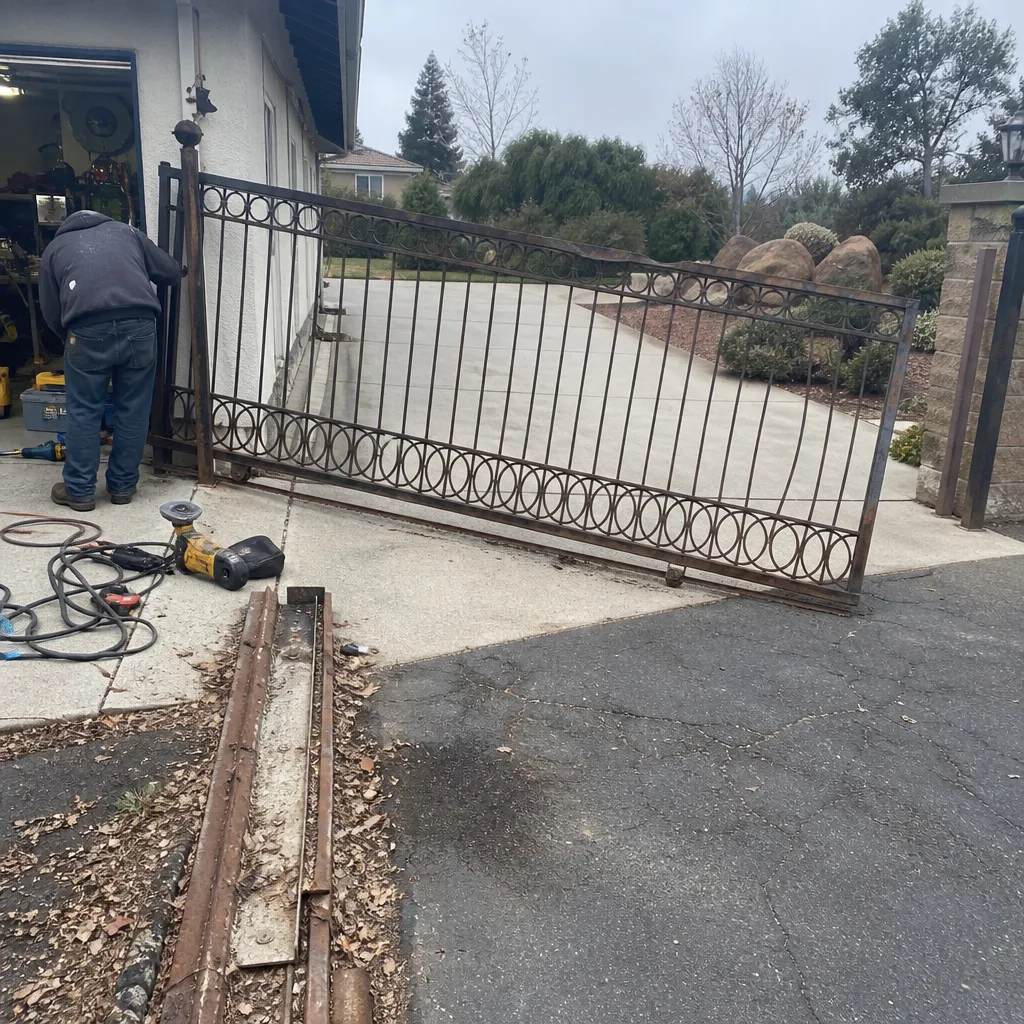 Before
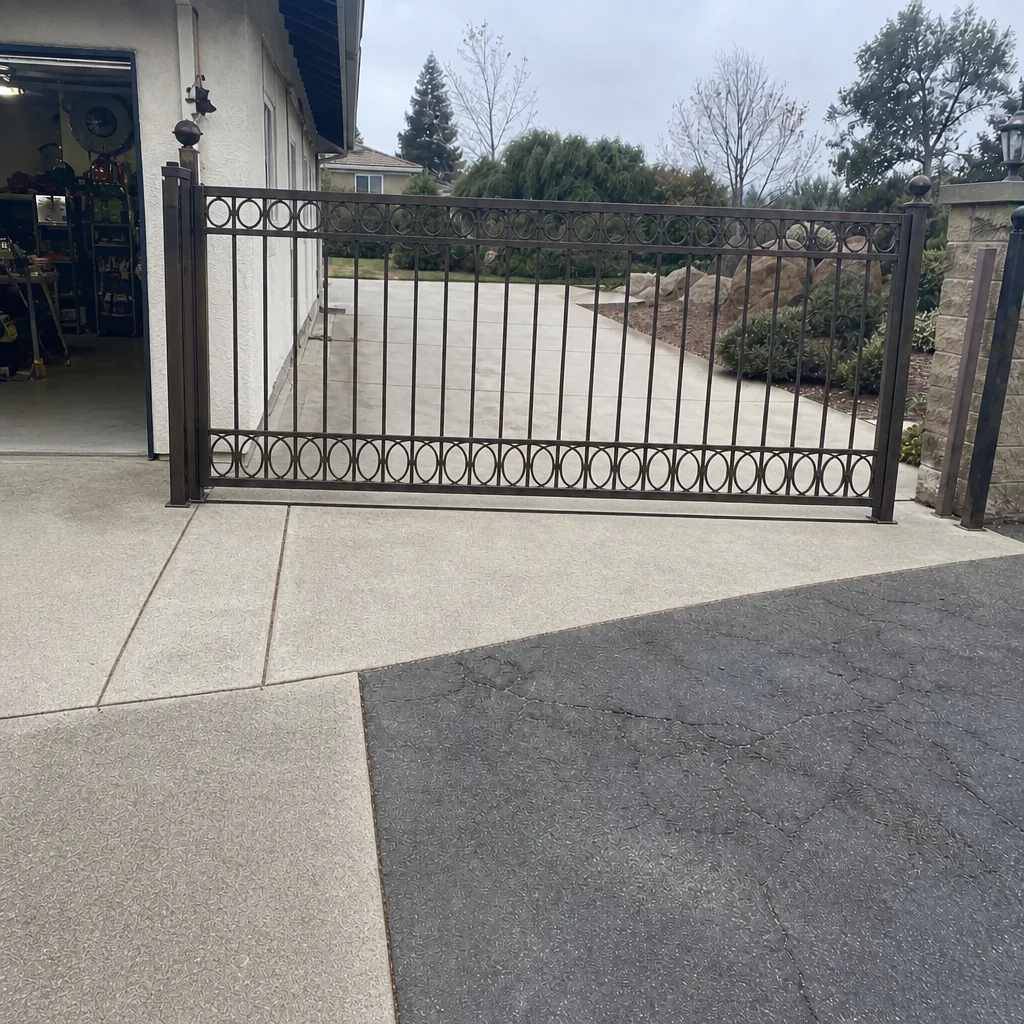 After
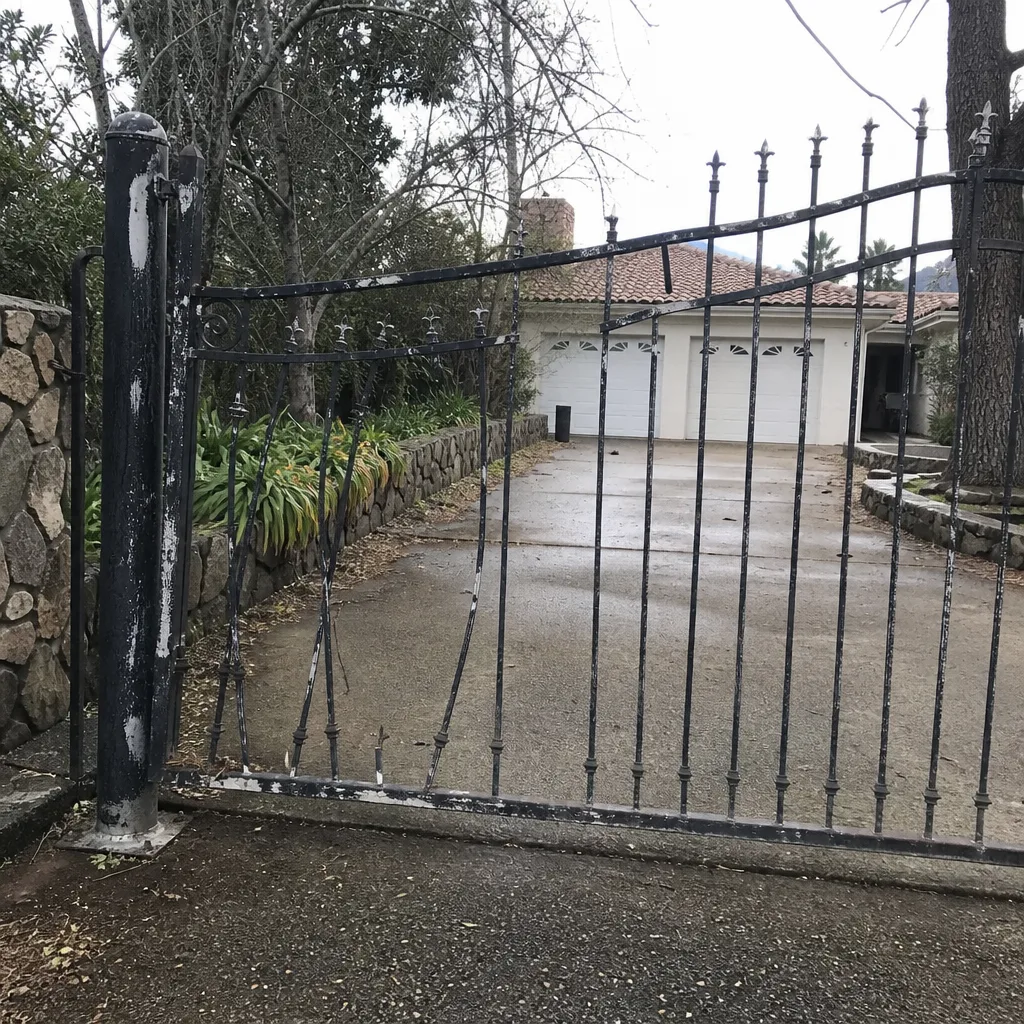 Before
 After
 Before
 After
Frequently Asked Questions
Find the manual release on your operator, which is a key, lever, T-handle, or hex release depending on the brand, disengage it fully, and push the gate open by hand. The exact procedure differs between LiftMaster, FAAC, Viking, and Apollo operators, so confirm your brand’s procedure before the outage happens. Call (833) 593-3926 if the release will not move, and we will walk you through it or dispatch a technician.
Not necessarily. The green light means the charger is connected to the battery, not that the battery can open the gate under load. To test it, turn off the operator’s breaker and run a full open-close cycle on battery power. If the gate slows or stops, the backup is weak. Call (833) 593-3926 for a free estimate on a load test and battery replacement.
Use the manual release to open the gate by hand, then evacuate immediately and call for gate repair once you are safe. Folsom homeowners in the foothill zone should also have a Knox key switch or equivalent so fire crews can open the gate without you. We answer 24/7. A call outside dispatch hours is booked into the next opening, Sunday through Friday, 7am to 7pm.
The price is set per job by the written estimate, so there is no flat emergency rate. A simple release re-engagement costs less than a control board replacement or a battery backup retrofit, and the estimate is free. Call (833) 593-3926 for an exact quote, and the price is quoted and agreed before any work starts.
We work on LiftMaster, FAAC, BFT, Linear, Viking, Ghost Controls, DoorKing, Elite, and Mighty Mule systems, so the brand on your operator is one we see regularly. Whether it is a residential Mighty Mule or a commercial BFT slide operator, the diagnosis starts with brand logic, not guesswork. Call (833) 593-3926 with your brand and model number ready.
Start with the manual release: test it now, lubricate or free it if it is stiff, and learn the re-engagement procedure. Next, load-test the battery backup the way a technician would. After that, have a full inspection of the operator, hinges, photo eyes, and loop detectors. In Folsom’s heat, neglected components fail faster. Call (833) 593-3926 to schedule an inspection.
The Bottom Line
A Folsom gate emergency is almost always a cascade: the power drops, the battery is dead, the manual release is stuck, and now a stuck gate is blocking an evacuation route. Unwinding that cascade starts with preparation. Know your operator brand and its release procedure. Test the backup under full load, not by looking at an LED. Keep the model number, symptom, and a photo of the control board ready before you call. And if the gate fails anyway, call a gate-only specialist who knows your brand. Call (833) 593-3926 for a free estimate. We answer 24/7. Fast dispatch from 7am to 7pm, Sunday through Friday.
Written by the team at Gate Repair Folsom, serving Folsom since 2014.