
Last updated November 4, 2026
 Wrought iron
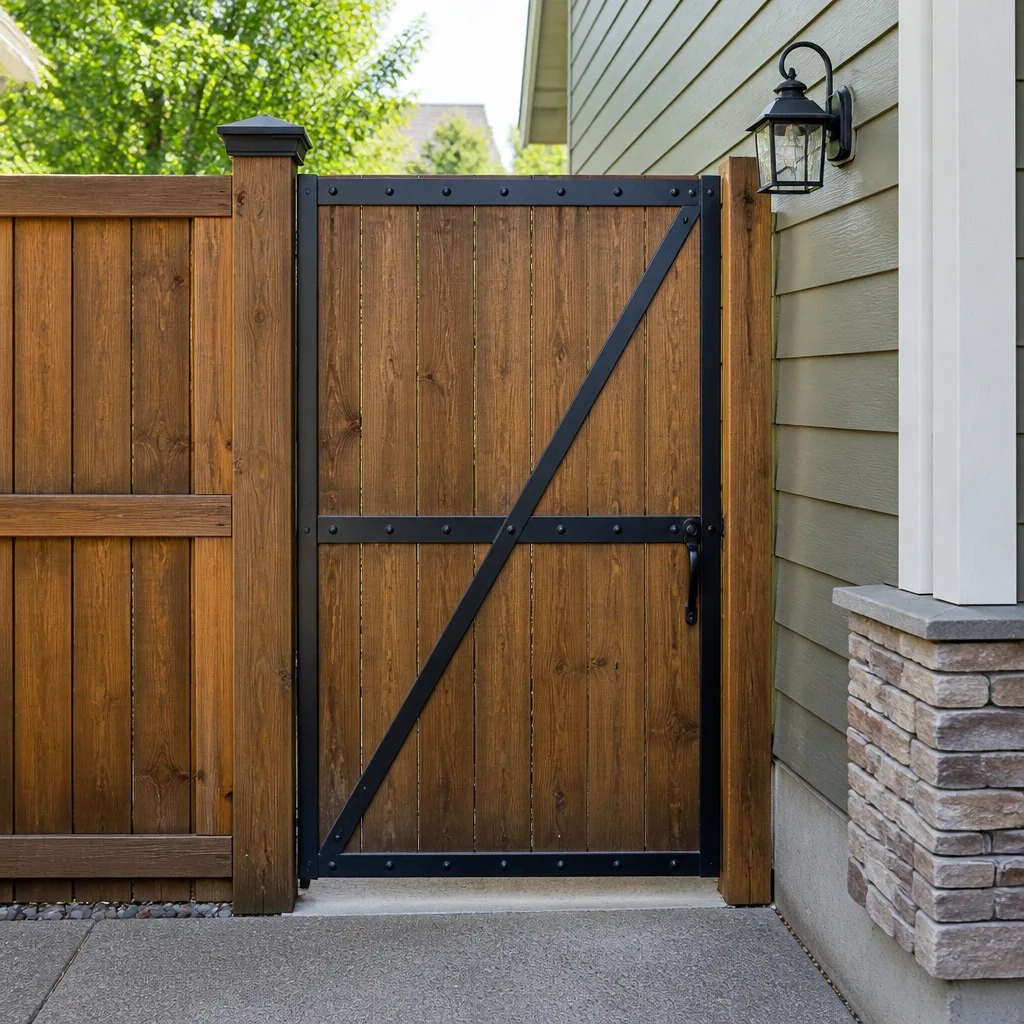 Wood & steel frame
 Farm & ranch
 Sliding driveway gates
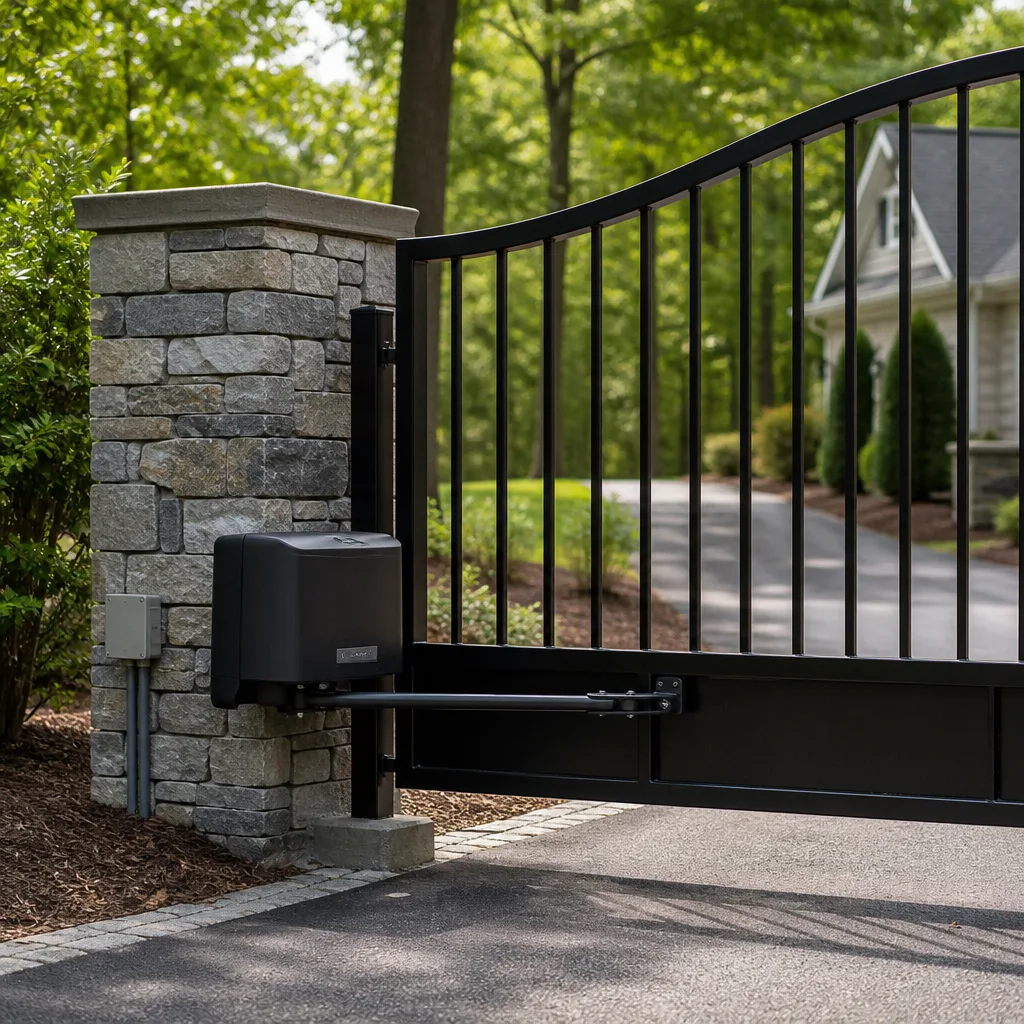 LiftMaster operators
Free on-site gate assessment - hinges, posts, and your LiftMaster or Nice gate operator checked before anything is quoted
The assessment is free and the quote is the invoice.
Get your free estimateGate Repair Maintenance Checklist for Folsom Homeowners
The most damaging maintenance mistake we see on Folsom gates isn’t neglect. It’s the homeowner who dutifully sprays WD-40 on a rack-and-pinion slide gate every spring, convinced they’re protecting it, while the solvent quietly strips the grease from the rack and the pinion gear grinds itself into an early grave. A swing gate needs one kind of care. A slide gate needs a completely different kind. Treating them as interchangeable is why so many “maintenance checklists” floating around the internet actually shorten the life of a gate in Folsom’s climate. This guide separates the two, shows you exactly what wears first in hundred-degree summers and wet winters, and tells you which five-minute checks actually prevent a four-figure repair.
Quick Answer
A gate maintenance checklist for Folsom homeowners should be split by gate type. Swing gates need hinge lubrication, leaf alignment, and battery backup testing every three months. Slide gates need rack-and-pinion inspection (grease, not WD-40), roller and track cleaning, and limit switch verification. In Folsom’s climate, prioritize heat-related operator failure in summer and soil-shift misalignment after winter rains. Most checks take under 15 minutes; loop detectors and force adjustments should always be left to a technician.
Styles & brands we work with
- Wrought iron
- Wood & steel frame
- Farm & ranch
- Sliding driveway gates
- LiftMaster operators
Table of Contents
- Why Swing Gates and Slide Gates Need Different Checklists
- How Folsom’s Climate Attacks Your Gate
- The Folsom Swing Gate Maintenance Checklist
- The Folsom Slide Gate Maintenance Checklist
- Battery Backup Testing: The Five-Minute Check That Saves You
- What’s DIY-Safe and What’s Not
- Common Mistakes to Avoid
- When to Call a Professional
Why Swing Gates and Slide Gates Need Different Checklists
Here’s the foundational point that most generic gate maintenance advice misses entirely. A swing gate pivots on hinges. Its wear concentrates at the hinge pins, the opener arm, and the leaf alignment where the two panels meet. A slide gate rolls on wheels along a track. Its wear concentrates at the rack teeth, the rollers, the track itself, and the limit switches that tell the operator where to stop.
Lubricating a swing gate’s hinges with a light machine oil is correct. Lubricating a slide gate’s rack with the same oil is wrong. The rack needs heavy grease that stays in place under pressure. Spraying it with a penetrant like WD-40 dissolves the grease that’s supposed to be there. Within weeks, metal-on-metal contact starts chewing the gear teeth. We’ve had Folsom homeowners call us about a “grinding noise” that turned out to be a pinion gear running dry against the rack, all because a well-meaning neighbor suggested a quick spray.
The inspection priorities differ just as much. On a swing gate, you’re watching for hinge sag, leaf drift, and opener arm stress. On a slide gate, you’re watching for track obstruction, wheel wear, and whether the gate still stops at the right point without slamming. If your checklist doesn’t name which type of gate it’s for, throw it out and start here.
One more thing about gate type: the operator matters too. A Mighty Mule swing opener and a LiftMaster slide operator have different failure modes, different battery backup designs, and different adjustment points. Knowing your brand helps you ask the right questions when something feels off.
How Folsom’s Climate Attacks Your Gate
Folsom summers routinely push past 100°F. That heat doesn’t just make your gate uncomfortable to touch. It works on the operator’s control board, the capacitor, and the motor windings. Capacitors degrade faster in sustained heat. Circuit boards expand and contract, eventually cracking solder joints. If your gate stops working on a July afternoon, heat-related component failure is the first suspect.
Winter brings a different problem. Folsom’s rainy season saturates the soil, and that soil shifts. Gate posts set in clay-heavy ground can move enough to throw a swing gate out of alignment or bind a slide gate on its track. The gate that worked perfectly in October suddenly drags in February. It’s rarely the operator. It’s the ground under the posts.
Dust is a year-round enemy here. Folsom’s dry summers kick up fine dust that settles into chain drives, clogs photo eye lenses, and works its way into roller bearings. A quarterly wipe-down of sensors and a visual check of the chain or belt tension keeps small problems from compounding.
If you live in areas of Folsom with mature oak trees, add leaf and acorn debris to your inspection list. Acorns find their way into slide gate tracks with surprising regularity, and a single acorn wedged under a wheel can cause the operator to strain or trip its safety reverse.
The Folsom Swing Gate Maintenance Checklist
This is the quarterly routine we recommend for swing gates in Folsom. Fifteen minutes, four times a year. No special tools beyond a flashlight and a clean rag.
1. Hinge Inspection
Open the gate fully and look at each hinge from the side. You’re checking for vertical sag. If the gate leaf has dropped, you’ll see a gap difference between the top and bottom hinge. A sagging gate puts angular stress on the opener arm and eventually bends it. Watch for rust on the hinge pins. Folsom’s dry climate helps here, but irrigation overspray near a gate creates a humid microclimate that rusts steel quickly.
2. Hinge Lubrication
Use a light machine oil or silicone spray on the hinge pins. A few drops is plenty. Wipe away excess with a rag so dust doesn’t stick and form grinding paste. Do this every three months.
3. Leaf Alignment Check
Close the gate and look at where the two leaves meet. They should align vertically with an even gap. When the ground shifts after Folsom’s rainy season, one leaf can ride higher than the other. The opener then has to work harder to seat the gate, which shortens motor life.
4. Opener Arm and Mounting Points
Inspect the arm where it connects to the gate and to the post. Look for loose bolts, wallowed-out holes, or a bent arm. Operate the gate once while watching the arm. Any shuddering or side-to-side wobble means a mounting point is working loose.
5. Safety Photo Eye Cleaning
Wipe the lenses of the photo eyes with a dry cloth. Folsom dust coats them quickly, and a dirty photo eye can cause the gate to refuse to close or reverse unexpectedly.
6. Battery Backup Test
Press the test button on the operator’s battery backup unit, if equipped. Listen for the unit’s test beep. Details in the battery section below.
The Folsom Slide Gate Maintenance Checklist
Slide gates demand a different routine. Here’s the quarterly version for Folsom’s slide gate owners.
1. Track Cleaning
Run the gate open and closed once, then inspect the track. Remove every pebble, every acorn, every wad of leaves. In Folsom, decomposed granite and small stones from surrounding landscapes end up in gate tracks constantly. A single stone can cause a wheel to hop, which jostles the rack and wears the pinion unevenly.
2. Roller and Wheel Check
Look at each roller. Spin it by hand if you can. A wheel that doesn’t spin freely is a wheel that’s dragging, and a dragging wheel makes the motor work harder. Listen for grinding. A failing roller bearing makes a distinct gritty sound.
3. Rack and Pinion Inspection
Look at the teeth on the rack. They should be uniform, not shark-finned or flattened. If you see shiny metal dust or shavings at the base of the rack, the pinion gear is wearing against it. This is the check that catches the WD-40 damage early. If the rack looks dry, apply a proper lithium-based grease made for open gears. Never use penetrating oil here.
4. Chain or Belt Tension
If your slide gate uses a chain drive, check the tension. A chain with too much slack can skip on the sprocket. Too tight, and it wears the bearings prematurely. A properly tensioned chain deflects about half an inch when pressed at mid-span. Belt drives need a visual check for cracks or glazing.
5. Limit Switch Function
Close the gate and watch where it stops. It should seat firmly in the receiver without slamming. Open it and do the same at the open stop. If the gate stops short or bangs into the end stops, the limit switches need adjustment. This is one area where we recommend the electric gate repair technician, because the adjustment procedure varies by operator brand and a misadjusted limit can damage the gate.
6. Guide Rollers and Anti-Rise Rollers
These keep the gate from lifting off the track. Inspect them for wear and make sure they still touch the gate. A missing anti-rise roller is a safety issue, not just a maintenance issue.
Battery Backup Testing: The Five-Minute Check That Saves You
Here’s the uncomfortable truth. Most Folsom homeowners don’t know whether their gate’s battery backup works until the power goes out and the gate doesn’t. A battery backup unit has a battery inside it, and batteries die quietly. The indicator light on the unit might glow green while the battery has lost most of its capacity.
The quarterly test is simple. Locate the battery backup unit, usually a box mounted near the operator. Most units have a clearly labeled test button. Press it. The unit should beep, and a status light should flash. If the unit stays silent or the light doesn’t change, the battery is dead. Replace it before you need it.
A functional battery backup keeps your gate running through the brief outages that Folsom sees during high-wind events and local grid work. Without it, the gate may fail in place. The implications for a homeowner who leaves through their gate each morning are obvious. Add this test to your phone’s calendar on the same schedule as the other quarterly checks.
For commercial operators like a gate repair technician might install on a Folsom business property, battery backup testing is often part of a required compliance check. Property managers with DoorKing or Elite operators should not skip this: a non-functional backup on a commercial gate can leave tenants locked in or out during an outage.
What’s DIY-Safe and What’s Not
We’re the first to tell you that a homeowner with basic attention can handle most of the quarterly checklist. Cleaning, visual inspection, lubrication, and battery testing are all within reach. But there are two areas where we draw a hard line, and it’s not to protect our business. It’s because these are the areas where UL 325 safety standards apply, and a gate that violates them is a hazard to people.
Leave These to a Technician
Force limit adjustment. Modern gate operators have an inherent entrapment protection system that reverses the gate when it encounters resistance. Setting this too aggressively isn’t a minor tweak. It’s the difference between a gate that stops on contact and a gate that keeps pushing. UL 325 compliance exists because gates have injured and killed people. A technician has the tools to set force limits correctly and verify the system works.
Loop detector calibration. Loop detectors sense vehicles and hold the gate open or trigger the open cycle. They’re buried in the driveway and their sensitivity is set through the operator’s control board. The symptoms of a misadjusted loop look like a random problem: the gate opens when no car is there, or doesn’t hold open long enough, or closes on a car. DIY attempts to adjust sensitivity usually make the problem worse.
Control board diagnostics. If the gate behaves erratically, randomly reversing, failing to respond, or opening on its own, the issue is almost always on the control board. This is where brand knowledge matters. A LiftMaster board shows fault codes differently than a Mighty Mule board. Guessing on a control board issue wastes hours and risks the whole operator.
If any of these symptoms show up during your maintenance checks, call a gate specialist. The free estimate means you’re not paying to find out what’s wrong, and the written price means you know exactly what the repair costs before we start.
Common Mistakes to Avoid
- Spraying WD-40 on a rack-and-pinion drive. This strips the protecting grease and accelerates wear on the gear teeth. A rack needs heavy lithium grease or an open-gear lubricant, never a penetrant.
- Testing the battery backup by unplugging the operator. Disconnecting power can reset the operator’s settings and, on some brands, wipe the limit positions. Use the test button on the backup unit instead.
- Ignoring a slowing gate. A gate that opens noticeably slower than it did six months ago is telling you something. In Folsom’s summer heat, a marginal capacitor or weakening motor shows up as a slow, labored cycle before it fails completely.
- Oiling the photo eye lenses to clean them. Oil film attracts dust and makes the problem worse. Dry cloth or, for stubborn grime, a damp cloth followed by a dry one.
- Adjusting limit switches after a single misstop. A one-off misstop often means debris on the track or a power fluctuation, not a limit fault. Wait for a repeated pattern before touching adjustments, and leave that adjustment to a technician.
- Assuming a sagging swing gate is “just the posts settling.” Post settling and hinge wear are both real, but continuing to operate a sagging gate bends the opener arm and turns a hinge repair into an arm replacement.
- Skipping maintenance entirely because “it’s still working.” The day the gate stops working is not the day the problem began. It’s the day the problem finished its work. Quarterly checks catch the beginning.
When to Call a Professional
Some gate problems are obvious. The gate won’t move. The gate reverses for no reason. The operator hums but nothing happens. Those are calls. But you should also pick up the phone for the quieter failures: the gate that’s slower than it used to be, the opener that’s louder than it used to be, the gate that stops an inch short of the receiver, the keypad that takes three tries. These are early warnings, and they’re cheaper to fix early.
If your maintenance checklist turns up any of the technician-only items above, don’t guess. Gate Repair Folsom offers free estimates in Folsom. Call (833) 593-3926 and describe what you’re seeing. We answer 24/7. Fast dispatch from 7am to 7pm, Sunday through Friday.
See the difference
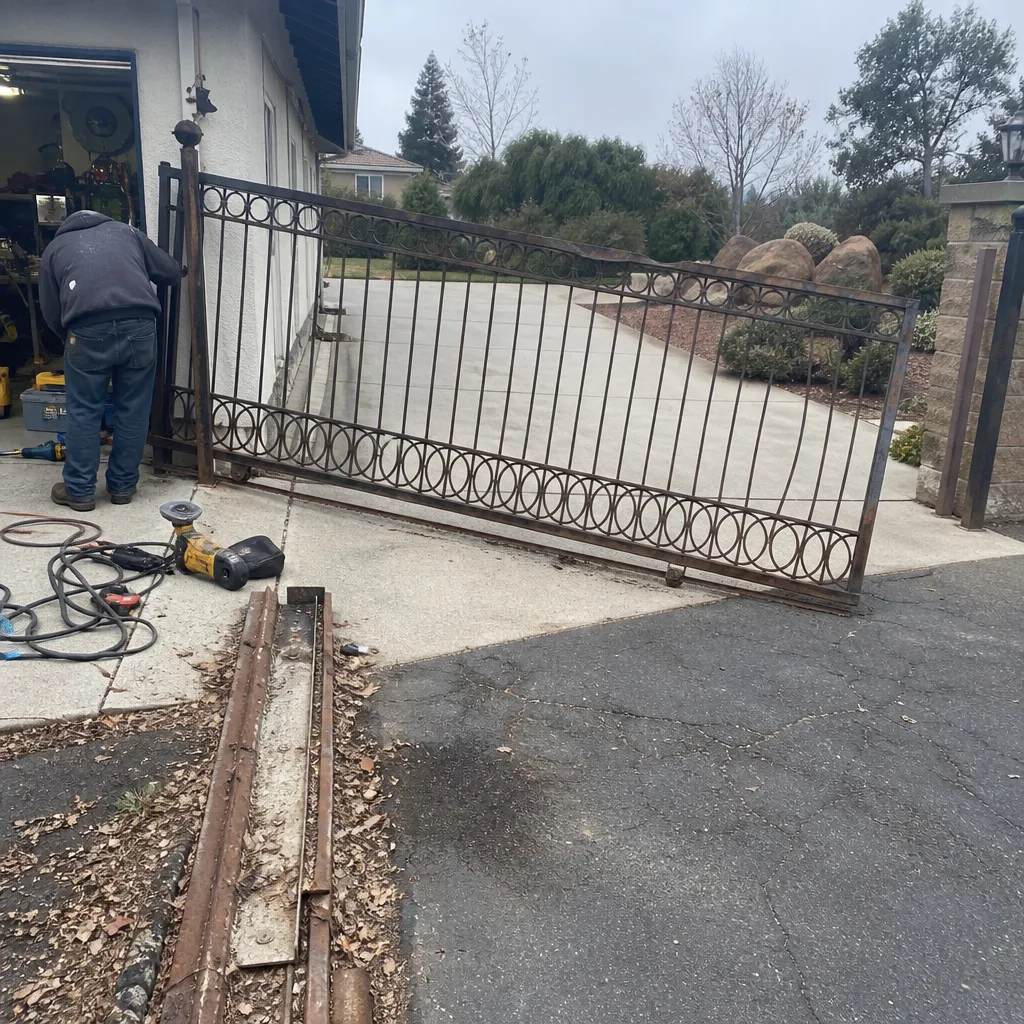 Before
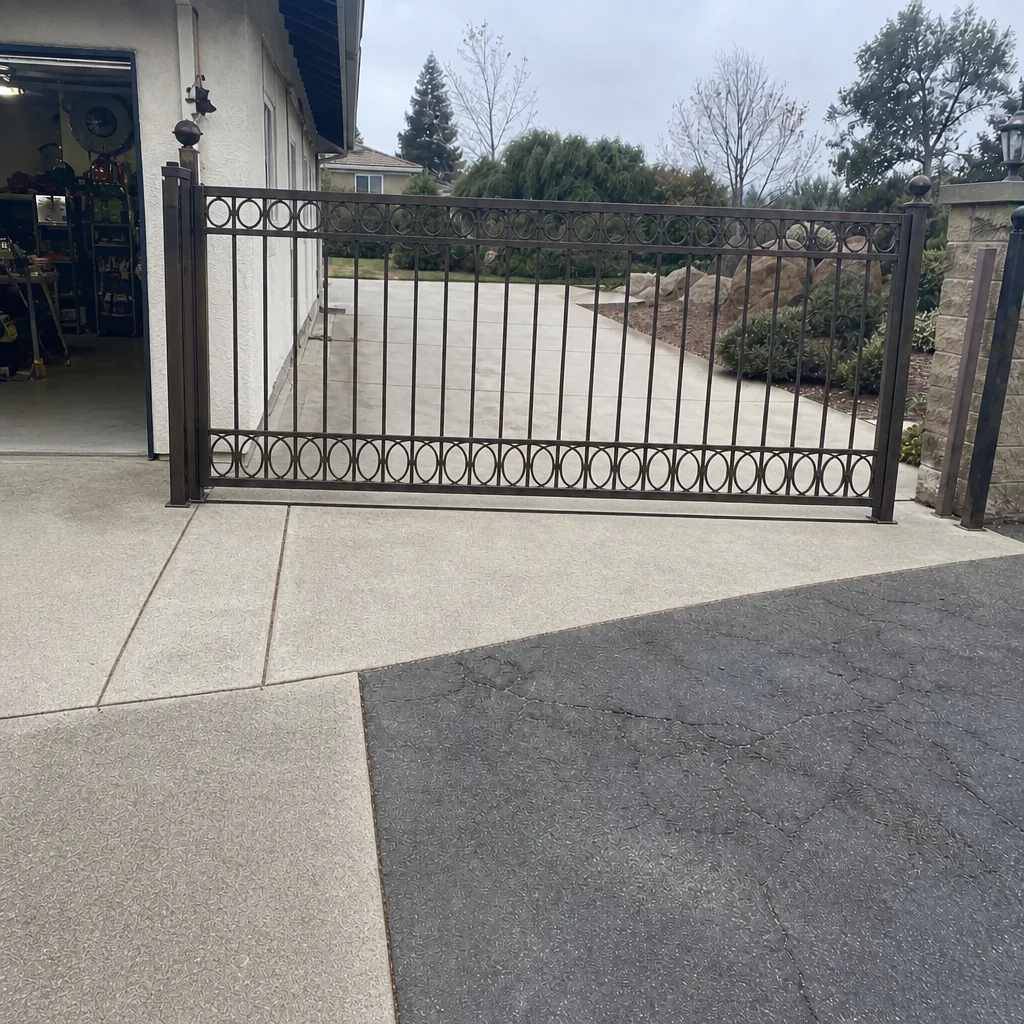 After
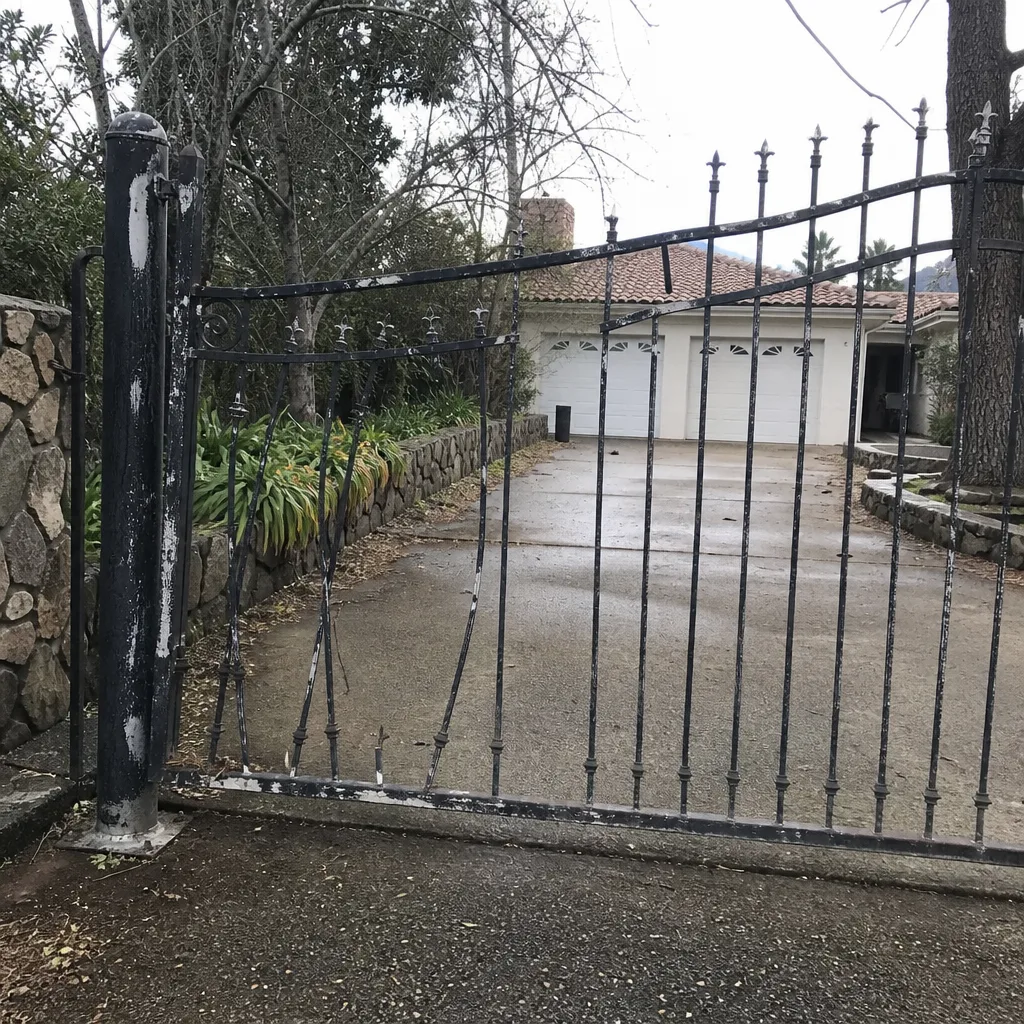 Before
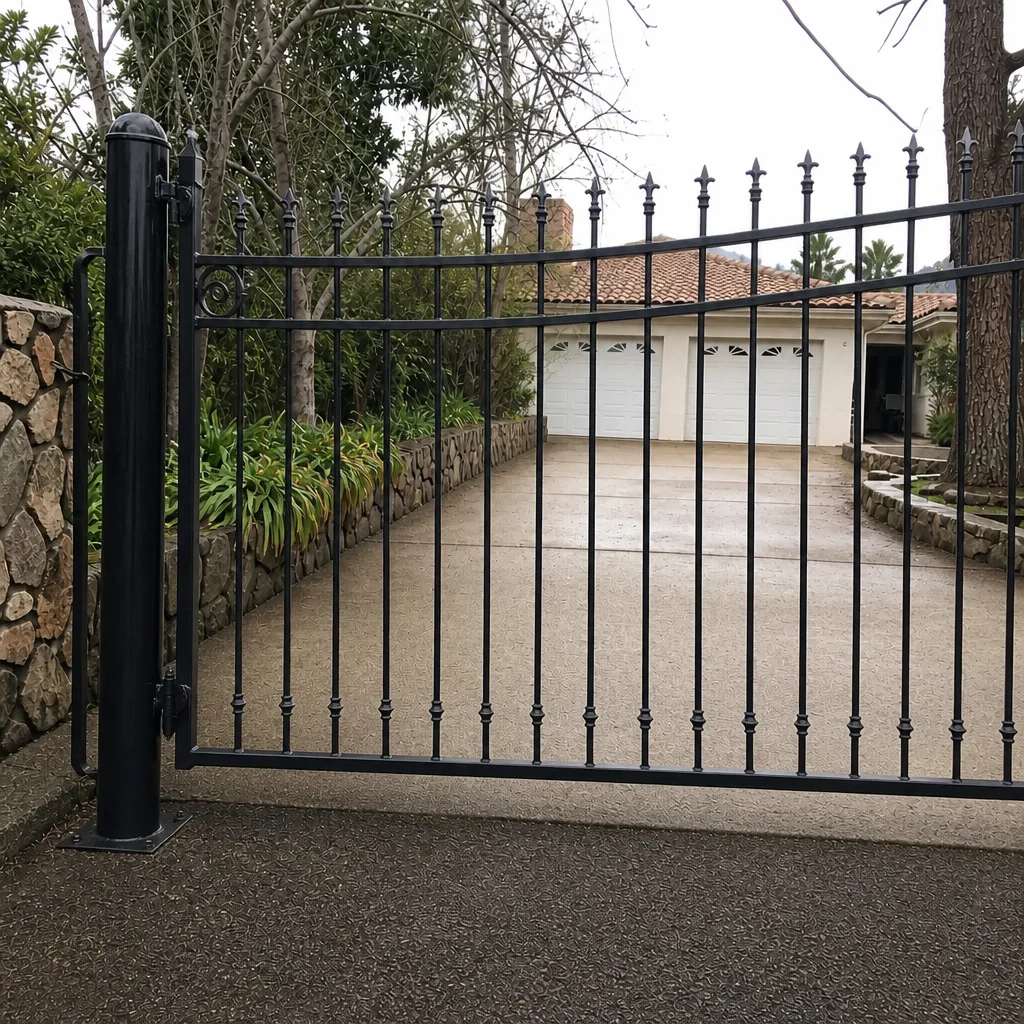 After
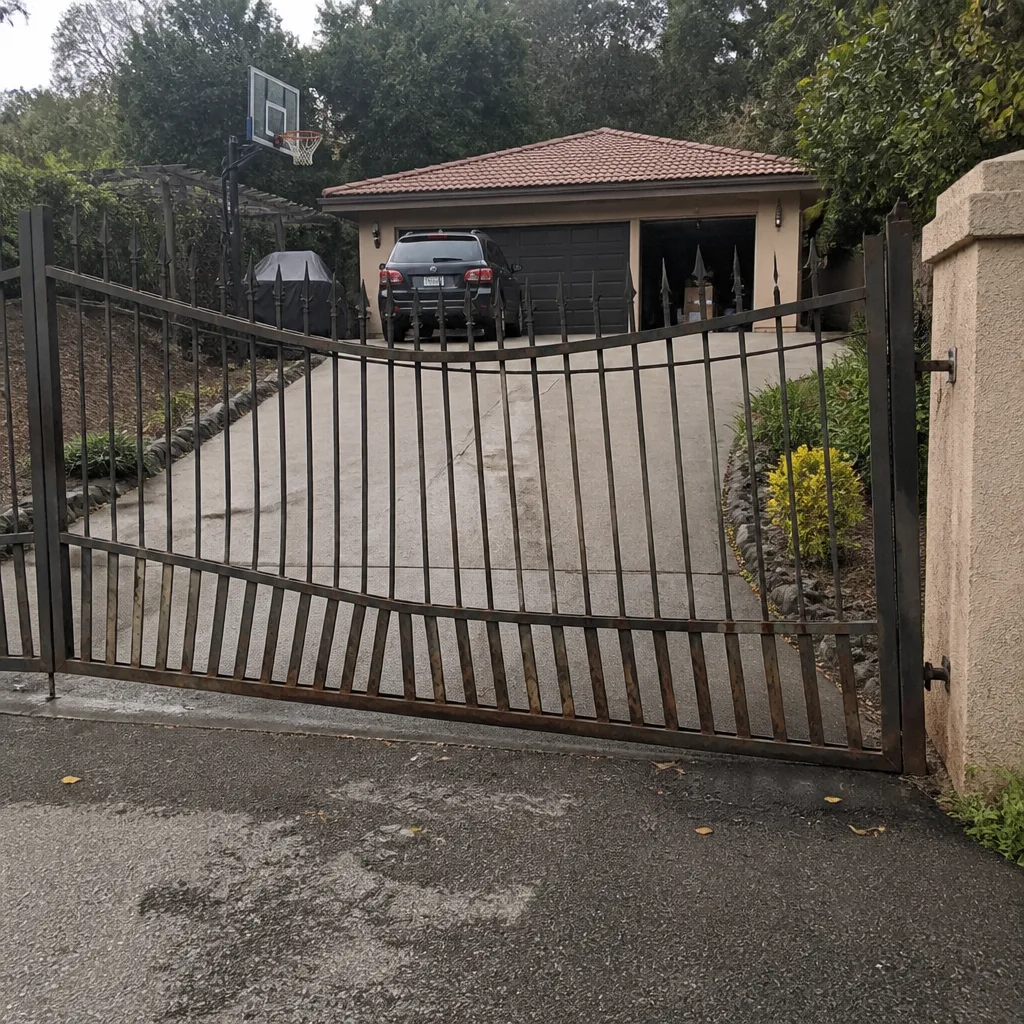 Before
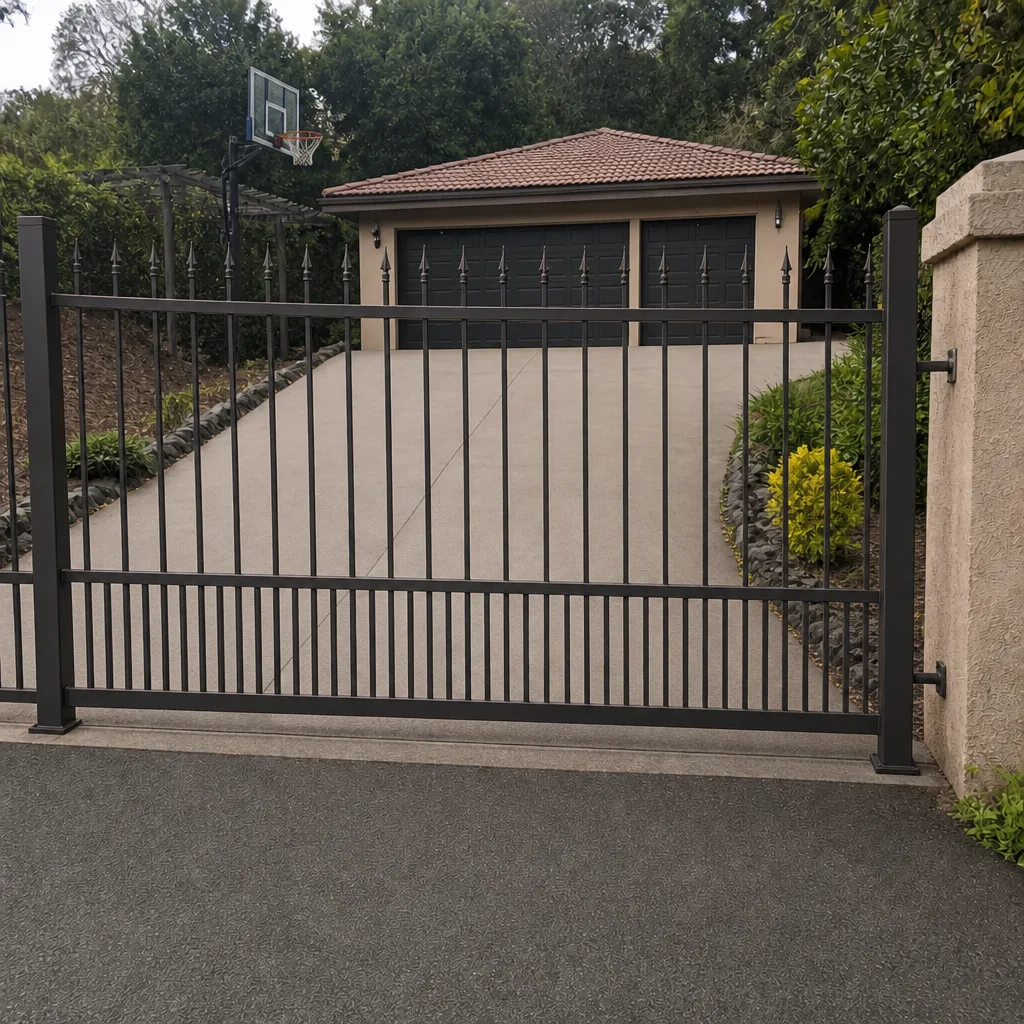 After
Frequently Asked Questions
Every three months, run the full checklist for your gate type. In Folsom’s summer heat, you may want to add a mid-season check of the operator’s cooling vents and a quick wipe of the photo eyes in July or August, since dust accumulates faster in the dry months.
Use a lithium-based grease or a lubricant specifically formulated for open gears. The rack needs a heavy grease that stays in place under pressure. Never use WD-40 or any penetrating oil on the rack: it dissolves the existing grease and leaves the rack and pinion grinding metal on metal.
Folsom winters are mild, but the rainy season shifts soil and that’s the real threat. After a sustained wet period, check your swing gate leaf alignment and your slide gate track straightness. The gate that works fine in October can bind in February when the ground under the posts moves. No special winterization is needed, just attention to alignment.
Yes. Locate the battery backup unit near the operator and press the test button. The unit should beep or flash a status light. If it stays silent, the battery is dead and should be replaced before the next power outage. This is a safe, DIY-friendly check.
During summer, heat-related operator failure: capacitors, control boards, and motor windings all degrade faster when Carmichael and Folsom temperatures climb past 100°F. During winter, soil shift knocks swing gates out of alignment and binds slide gates on their tracks. Dust accumulation on photo eyes is a year-round nuisance.
No. Force limit adjustment affects the operator’s entrapment protection, and UL 325 safety standards set specific requirements for how a gate must respond to contact. Setting force limits without proper testing equipment can leave the gate unsafe. Leave force adjustment, loop detector calibration, and control board diagnostics to a trained technician. Call (833) 593-3926 for a free estimate.
The Bottom Line
Maintaining a gate in Folsom isn’t a one-size-fits-all job. A swing gate lives and dies on its hinges, its leaf alignment, and its opener arm. A slide gate lives and dies on its rack, its rollers, and its track. Folsom’s hundred-degree summers punish operators, the rainy season shifts soil and throws off alignment, and dust gets into everything. Fifteen minutes of quarterly maintenance, done according to the right checklist for your gate type, will stop most failures before they start. When a repair does come up, know what’s in your wheelhouse and what’s not. And when something feels off, don’t wait for the silent letdown. Call (833) 593-3926. We answer 24/7, and dispatch runs from 7am to 7pm, Sunday through Friday. The estimate is free, the price is set in writing before we start, and every job gets done by a gate specialist who knows your brand.
Written by the team at Gate Repair Folsom, serving Folsom since 2014.